الفوائد البيئية لاستخدام المشابك المصنوعة من البولي بروبيلين المقوى بالقطع FRP في البناء والصناعة
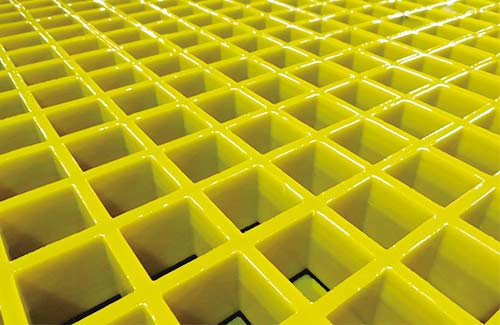
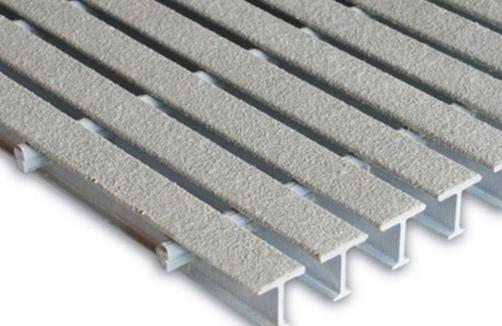
In recent years, there has been a growing emphasis on sustainability and environmental responsibility across various industries. One material that is gaining significant attention for its eco-friendly properties is Fiber-Reinforced Polymer (FRP) pultruded grating. This innovative composite material offers numerous environmental benefits, making it an attractive choice for construction and industrial applications. In this article, we will explore the environmental advantages of using FRP pultruded grating, including its reduced carbon footprint, durability, and recyclability. 1. Introduction to FRP Pultruded Grating Fiber-Reinforced Polymer (FRP) pultruded grating is a composite material made from resin and high-strength fibers, typically glass or carbon. The manufacturing process, known as pultrusion, involves pulling continuous strands of fiber through a resin bath and then through a heated die, where the resin cures to form a solid, reinforced profile. This process results in a strong, lightweight, and corrosion-resistant material that is ideal for a wide range of applications, including walkways, platforms, stair treads, and more. 2. Reduced Carbon Footprint One of the most significant environmental benefits of FRP pultruded grating is its lower carbon footprint compared to traditional materials like steel and concrete. Here are some key factors contributing to this advantage: – Energy-Efficient Manufacturing Process: The pultrusion