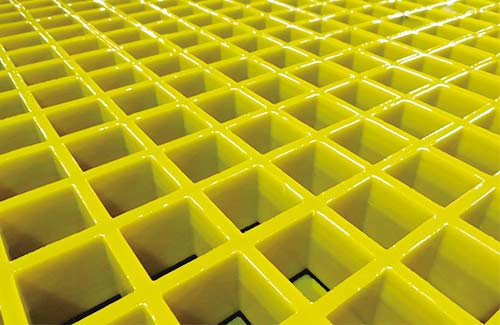
FRP Grating for Loading Docks: The Ideal Solution for Durable and Safe Loading Dock Surfaces
Loading docks are critical components of any logistics or manufacturing facility, serving as the primary interface between incoming and outgoing goods. Over time, these areas are subjected to heavy loads, extreme weather conditions, and constant foot traffic, making the choice of flooring material crucial. Traditional materials like concrete and steel may crack, rust, or deteriorate, leading to safety hazards and costly repairs. This is where Fiber-Reinforced Polymer (FRP) grating emerges as the ideal solution for durable and safe loading dock surfaces.
Why Choose FRP Grating for Loading Docks?
1. المتانة في البيئات القاسية
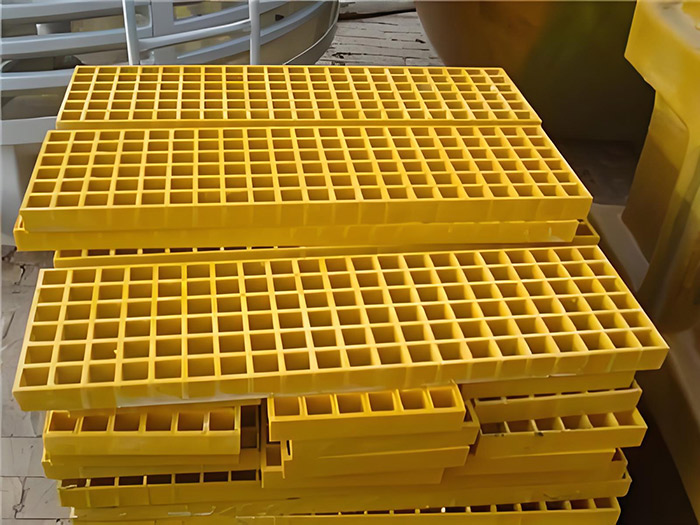
One of the most significant challenges faced by loading dock surfaces is exposure to harsh conditions, including chemicals, moisture, and heavy loads. FRP grating is engineered to withstand these elements without corroding or cracking. Unlike steel, which rusts when exposed to water and chemicals, FRP remains unaffected, ensuring long-term performance and reducing maintenance costs.
2. Safety and Non-Slip Properties
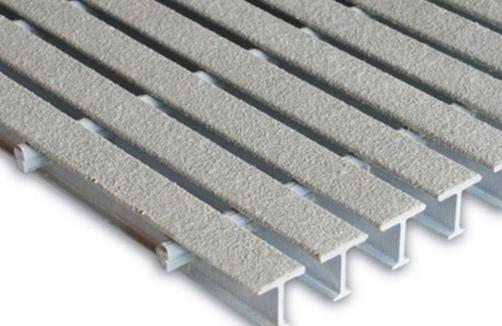
Slips and falls are common hazards in loading docks, often resulting in workplace injuries. FRP grating is designed with a non-slip surface, providing excellent traction even when wet. This feature significantly reduces the risk of accidents and enhances worker safety. Additionally, FRP grating can be customized with safety barriers or edge strips to further prevent falls.
3. خفيف الوزن وقوي في نفس الوقت
Another advantage of FRP grating is its lightweight nature. Unlike heavy steel gratings, FRP can be easily installed without the need for specialized equipment or structural modifications. This not only saves time but also reduces labor costs. Despite its light weight, FRP grating offers exceptional strength, making it capable of supporting heavy loads without bending or deforming.
4. Cost-Effectiveness and Longevity
While the initial cost of FRP grating may be higher than traditional materials, its long-term benefits make it a cost-effective choice. FRP grating has a significantly longer lifespan than concrete or steel, requiring fewer repairs and replacements over time. This durability translates to lower maintenance expenses and fewer disruptions to operations.
الإجابة على الأسئلة الشائعة حول شبكة FRP الشبكية
Q: Is FRP Grating Suitable for All Loading Dock Applications?
A: Yes, FRP grating is versatile and can be used in various environments, including marine docks, industrial facilities, and agricultural settings. Its resistance to corrosion and chemicals makes it ideal for harsh conditions.
Q: How Long Does FRP Grating Last?
A: With proper installation and minimal maintenance, FRP grating can last 30-50 years, far outlasting traditional materials.
Q: Can FRP Grating Be Customized?
A: Absolutely. FRP grating can be tailored to specific dimensions, colors, and load capacities to meet the unique needs of any facility.
Why Share FRP Grating with Your Team?
Implementing FRP grating on your loading docks can revolutionize safety, durability, and efficiency. By sharing this article with your colleagues, you can help them understand the benefits of upgrading to FRP grating. Whether you’re a facility manager, safety officer, or logistics professional, making informed decisions about dock surfaces is essential.
If you’re considering a flooring upgrade, FRP grating offers a compelling combination of strength, safety, and longevity. Don’t settle for subpar solutions—invest in a material that stands the test of time.
By choosing FRP grating, you’re not just selecting a flooring option; you’re investing in a safer, more efficient, and more durable solution for your facility. Take the next step and explore how FRP grating can transform your loading docks today.