Erkundung der Vorteile von FRP-Gitterrosten für industrielle Anwendungen
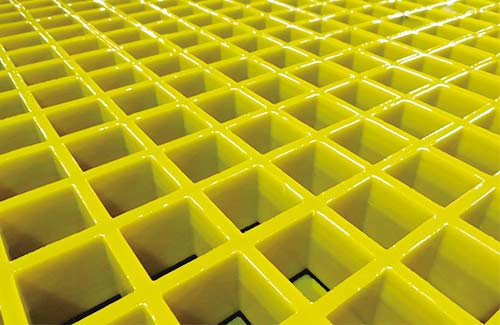
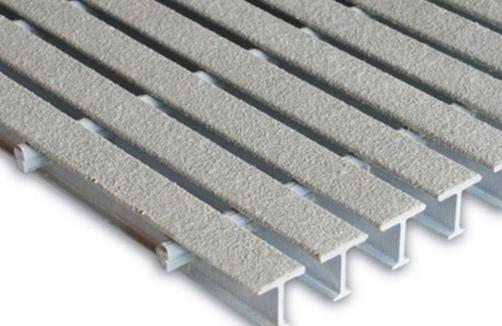
Exploring the Benefits of FRP Grating for Industrial Applications What makes Fiber Reinforced Polymer (FRP) grating a preferred choice for industrial applications? How does it compare to traditional materials like steel, aluminum, and concrete? These questions are central to understanding why FRP grating is revolutionizing the way industries approach flooring, walkways, and platform solutions. What is FRP Grating? FRP grating, also known as fiber-reinforced polymer grating, is a composite material made from a combination of fiberglass and a polymer matrix. This unique composition results in a material that is lightweight, strong, and corrosion-resistant. Unlike traditional materials, FRP grating does not rust, corrode, or require painting, making it an ideal choice for environments where moisture, chemicals, and harsh conditions are prevalent. Why Choose FRP Grating for Industrial Applications? Corrosion Resistance One of the primary benefits of FRP grating is its exceptional corrosion resistance. Industrial environments often expose flooring to chemicals, acids, and moisture, which can quickly deteriorate traditional materials. FRP grating, however, remains unaffected by these elements, ensuring long-term durability and reducing maintenance costs. Weight Reduction Another significant advantage is the lightweight nature of FRP grating. Compared to steel, FRP grating is 75% lighter, making it easier to handle, install, and