
Sino Composite Structures Co.,Ltd.

+86-510-86890852

WhatsApp: 8618921275456

Sino Composite Structures Co.,Ltd.

+86-510-86890852

WhatsApp: 8618921275456

Noticias

Inicio " Noticias " Página 2

FRP grating in poultry and livestock farms: Enhancing Farm Efficiency and Safety

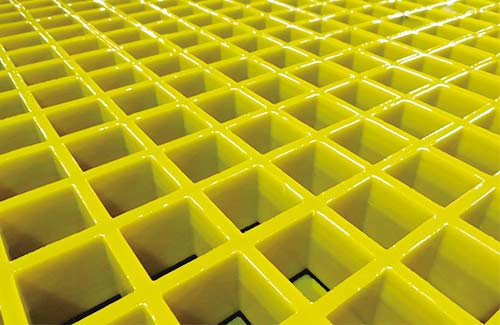
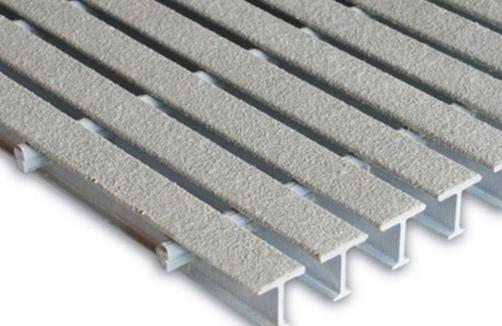
FRP Grating in Poultry and Livestock Farms: Enhancing Farm Efficiency and Safety In modern poultry and livestock farming, ensuring both efficiency and safety is paramount. Traditional materials used in farm infrastructure often face challenges like corrosion, heavy weight, and maintenance costs. Fiberglass Reinforced Plastic (FRP) grating has emerged as a superior alternative, offering durability, lightweight design, and cost-effectiveness. But how exactly does FRP grating enhance farm operations? What are the key benefits? And how can farmers implement this technology effectively? Let’s explore these questions in detail. The Challenges of Traditional Farming Infrastructure Traditional farms often rely on materials like steel, concrete, and wood for flooring,栏杆, and other structural components. While these materials are robust, they come with significant drawbacks. Steel, for instance, is prone to rust and corrosion, especially in wet environments, requiring frequent maintenance. Concrete is heavy, making it difficult to install and repair, while wood can rot and attract pests. These issues not only compromise safety but also increase operational costs. Farmers constantly seek solutions that balance strength, durability, and ease of maintenance. FRP grating offers a compelling answer to these challenges. What Makes FRP Grating Ideal for Farms? FRP grating is a composite material made from fiberglass
Leer Más "

FRP Grating on Marine Vessels and Docks: Enhancing Durability and Safety in Nautical Structures

FRP Grating on Marine Vessels and Docks: Enhancing Durability and Safety in Nautical Structures Marine environments present unique challenges for infrastructure, including vessels and docks, due to exposure to saltwater, harsh weather, and heavy loads. Traditional materials like steel and concrete are prone to corrosion, cracking, and degradation over time, leading to maintenance costs and safety risks. Fiber-Reinforced Polymer (FRP) grating has emerged as a superior alternative, offering enhanced durability and safety. But what makes FRP grating the ideal choice for marine applications? How does it compare to conventional materials? And what are the key benefits for shipyards and dock operators? The Challenges of Traditional Materials Traditional materials used in marine structures, such as steel and wood, face significant drawbacks. Steel, while strong, corrodes rapidly in saltwater environments, requiring frequent painting and coatings to prevent rust. Wood, on the other hand, rots and splinters over time, posing safety hazards. These issues not only reduce the lifespan of structures but also increase maintenance costs and downtime. Concrete docks and vessels also suffer from cracking due to thermal expansion, freeze-thaw cycles, and heavy loads. The need for constant repairs and replacements can be costly and disruptive for operators. What is FRP Grating?

Leer Más "

Pedestrian Bridge FRP Decking Design Example: A Comprehensive Guide

Pedestrian Bridge FRP Decking Design Example: A Comprehensive Guide Designing a pedestrian bridge with Fiber-Reinforced Polymer (FRP) decking offers numerous advantages, including lightweight construction, high strength, and corrosion resistance. However, achieving a successful design requires careful planning, material selection, and adherence to engineering standards. This guide explores key considerations, potential challenges, and best practices for FRP decking in pedestrian bridge construction. Why Choose FRP Decking for Pedestrian Bridges? FRP decking has gained popularity in bridge construction due to its durability and versatility. Unlike traditional materials such as steel or concrete, FRP does not corrode, reducing maintenance costs over time. Additionally, FRP is lighter than steel, which can simplify installation and reduce structural loads. However, designers must address certain challenges, such as the material’s lower thermal conductivity and its behavior under extreme weather conditions. Proper engineering solutions can mitigate these issues, making FRP an excellent choice for pedestrian bridges. Key Design Considerations 1. Material Selection The first step in designing FRP decking is selecting the appropriate material. Common types include glass fiber-reinforced polymer (GFRP) and carbon fiber-reinforced polymer (CFRP). GFRP is cost-effective and ideal for general applications, while CFRP offers higher strength-to-weight ratios for specialized projects. 2. Load Capacity and Span

Leer Más "

FRP grating for food processing facilities: The Ideal Flooring Solution for Hygienic and Efficient Operations

FRP Grating for Food Processing Facilities: The Ideal Flooring Solution for Hygienic and Efficient Operations In the fast-paced world of food processing, maintaining a clean, safe, and efficient environment is paramount. One critical component that often gets overlooked is the flooring. Traditional flooring solutions can quickly become breeding grounds for bacteria, slip hazards, and maintenance nightmares. This is where Fiber-Reinforced Polymer (FRP) grating steps in as the ideal flooring solution. But what exactly makes FRP grating so suitable for food processing facilities? Let’s explore the key questions and uncover the benefits. What Makes FRP Grating Suitable for Food Processing Facilities? Food processing facilities are unique environments that demand flooring solutions capable of withstanding extreme conditions. From heavy foot traffic to exposure to chemicals and moisture, the flooring must be durable, non-slip, and easy to clean. FRP grating meets these requirements and more. FRP grating is a composite material made from a combination of fiberglass and polymer resins. This composition results in a floor that is incredibly strong yet lightweight. Unlike traditional concrete or steel floors, FRP grating does not rust, crack, or corrode. This makes it an excellent choice for areas where chemical exposure is a concern. How Does FRP

Leer Más "

Noticias

Producto estrella

滚动至顶部