Sino Composite Structures Co, Ltd.

+86-510-86890852

WhatsApp : 8618921275456

Sino Composite Structures Co, Ltd.

+86-510-86890852

WhatsApp : 8618921275456

Actualités

Accueil " Actualités " Page 11

Anti-static conductive FRP grating for electronics: A Complete Guide for Safe Manufacturing Environments

Anti-static Conductive FRP Grating for Electronics: Ensuring Safe Manufacturing Environments In today’s rapidly evolving electronics industry, static electricity poses one of the most significant threats to product integrity and manufacturing efficiency. But what exactly makes anti-static conductive FRP (Fiber Reinforced Plastic) grating the ideal solution for sensitive electronics environments? The Hidden Dangers of Static in Electronics Manufacturing Static discharge can silently destroy electronic components, causing immediate failures or latent defects that emerge later. How can manufacturers protect their valuable products? The answer lies in implementing proper static control measures throughout the facility. Anti-static conductive FRP grating provides a comprehensive solution by offering both electrical conductivity and mechanical durability. Key Features and Benefits What makes anti-static conductive FRP grating stand out from traditional flooring options? Unlike standard materials, FRP grating combines excellent electrical conductivity with remarkable strength-to-weight ratio. Its corrosion resistance makes it perfect for harsh manufacturing environments where other materials would quickly deteriorate. Additionally, the modular design allows for easy installation and customization to fit any facility layout. Installation and Best Practices How should manufacturers properly implement anti-static conductive FRP grating? The key is ensuring proper grounding connections throughout the installation. The grating must be electrically continuous and connected to

Lire plus "

FRP Grating Color Options: Gray, Yellow, Green – Find Your Ideal Solution

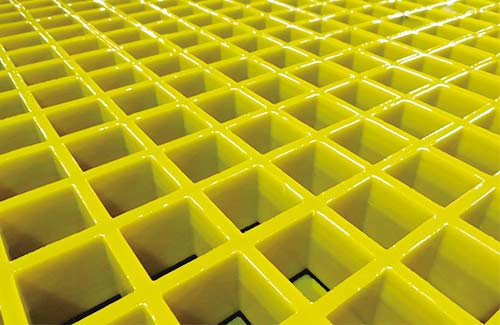
Finding the Perfect FRP Grating Color for Your Project When selecting FRP grating for your industrial, commercial, or residential project, have you ever wondered why color options matter? The choice between gray, yellow, and green isn’t merely aesthetic—it plays a crucial role in safety, functionality, and long-term performance. Let’s explore how to determine the ideal FRP grating color solution for your specific needs. Why Do FRP Gratings Come in Different Colors? The color variations in FRP grating serve practical purposes beyond visual appeal. Manufacturers offer these options to enhance safety, indicate different zones, and improve visibility in various environments. Each color is formulated with specific pigments that maintain the grating’s structural integrity while providing additional benefits. What Are the Advantages of Each Color Option? Gray FRP grating is the most versatile choice, offering a neutral appearance that blends well with most industrial settings. This color typically provides excellent UV resistance, making it ideal for outdoor applications exposed to sunlight. Gray grating is also highly resistant to chemicals and corrosion, ensuring durability in harsh environments. Yellow FRP grating stands out as a safety-focused option. Its high visibility makes it perfect for marking walkways, hazardous zones, and caution areas. Yellow grating helps

Lire plus "

Professional FRP Grating Installation Guide PDF Download Available Now

Professional FRP Grating Installation Guide PDF Download Available Now What exactly is FRP grating and why has it become the preferred choice for industrial applications? Fiber Reinforced Plastic grating offers exceptional strength, corrosion resistance, and lightweight properties, making it ideal for platforms, walkways, and structural supports in harsh environments. However, improper installation can compromise these benefits, leading to safety hazards and reduced lifespan. What preparations are necessary before installing FRP grating? Thorough planning is essential. Start by measuring the installation area precisely and checking the load requirements. Ensure you have all necessary tools, including appropriate cutting equipment, fasteners, and safety gear. Most importantly, verify that the substrate is clean, level, and structurally sound to support the grating system. How should FRP grating be properly installed? Begin by laying out the panels according to your design plan. When cutting is required, use diamond-blade saws or specialized cutting tools to prevent fraying. Install support bars at recommended intervals, typically 12-24 inches apart, depending on the load requirements. Secure each panel with appropriate fasteners, ensuring they don’t overtighten, which can cause stress cracks. Remember to leave proper expansion gaps in larger installations to accommodate temperature changes. What common mistakes should be avoided during

Lire plus "

Heavy Duty FRP Grating 50mm Thickness: The Complete Buyer’s Guide

Heavy Duty FRP Grating 50mm Thickness: The Complete Buyer’s Guide When considering heavy-duty FRP grating with 50mm thickness, many buyers find themselves overwhelmed with questions. What makes this specific thickness ideal for certain applications? How does it compare to thinner alternatives? And most importantly, is it the right investment for your needs? What Makes 50mm FRP Grating Special? The 50mm thickness in heavy-duty FRP grating provides exceptional load-bearing capacity while maintaining the lightweight characteristics that fiberglass is known for. This thickness typically offers superior strength-to-weight ratios, making it perfect for applications where both durability and ease of installation are critical. Unlike steel alternatives, 50mm FRP grating won’t corrode when exposed to harsh chemicals, moisture, or saltwater environments. Key Considerations When Purchasing Before making your purchase, consider these essential factors: Load Requirements: What is the maximum load capacity your application requires? 50mm FRP grating can typically handle distributed loads ranging from 1000kg/m² to 5000kg/m² depending on the mesh configuration and resin type. Chemical Exposure: Will the grating be exposed to corrosive substances? Standard isophthalic resin offers good chemical resistance, but vinyl ester resin may be necessary for highly corrosive environments. UV Resistance: For outdoor applications, ensure the grating has adequate UV

Lire plus "

Actualités

Produit phare

滚动至顶部