FRP/GRP Platforms & Structures for Brine Plant | Sino Composite
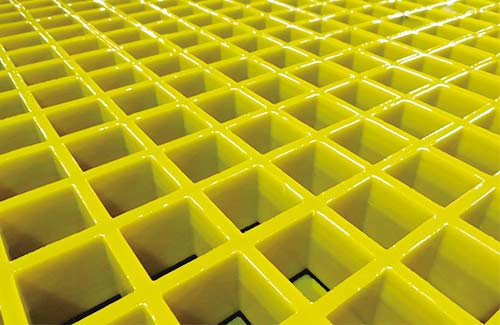
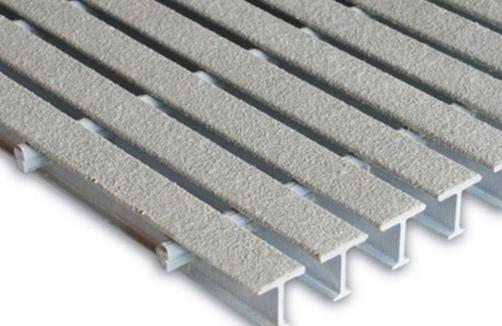
Sino Composite provides complete FRP/GRP solutions. – We perform professional mechanical calculations based on customer needs.– We design complete FRP/GRP building systems based on customer drawings or sketches; our professional engineering team provides 3D drawings. – First-class product quality manufacturing. – Pre-assembly of products before shipment. Project Information: Brine plant platform, tank area, production workshop, etc. Project Location: Azerbaijan Available Products: Design and manufacturing of FRP/GRP platforms, gratings, railings, cage ladders, corrosion-resistant roofing sheets, etc. Contact Us Interested in our FRP Grating? Reach out anytime via WhatsApp: 8618921275456 or email: sales@sino-grate.com. We eagerly await your contact!