Combien coûte un caillebotis industriel en PRFV ?
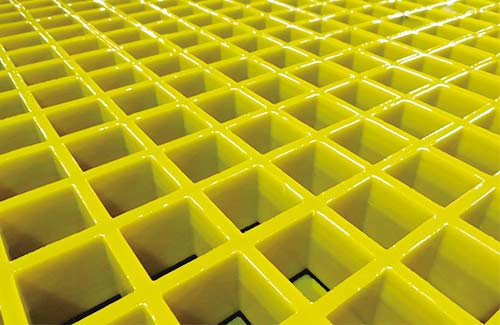
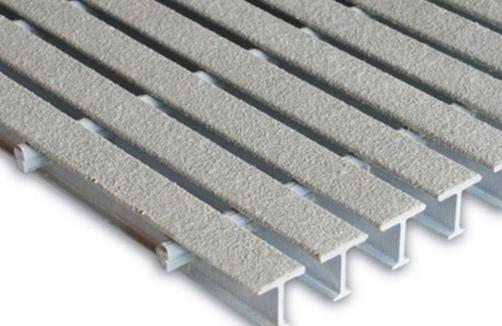
Industrial – grade Fiberglass Reinforced Plastic (FRP) grating is favored in sectors like chemical processing and offshore platforms for its corrosion resistance and low maintenance. However, its cost is determined by multiple factors. Raw Materials ImpactGlass fibers and thermosetting resins are key raw materials. High – quality E – glass fibers, known for superior strength, can increase costs by up to 25% compared to lower – grade ones. The choice of resin also matters; epoxy resins, with better chemical resistance, are more expensive than polyester or vinylester resins. Specifications Influence PricingSize, thickness, and mesh pattern affect the cost. Larger, thicker gratings with dense meshes for heavy – duty use, like 38mm – thick, 19x19mm mesh gratings, can cost about 35persquarefoot.Smaller,25mm−thickgratingswithwidermeshesforlight−dutyapplicationsmaybearound18 per square foot. Custom designs add costs due to specialized production needs. Manufacturing Process CostsThe pultrusion process produces high – precision gratings but requires significant equipment investment, driving up prices. Hand – layup methods, more labor – intensive and less uniform, are more cost – effective for small – scale or custom orders. Market Conditions MatterSupply and demand impact pricing. In regions with rapid industrial growth, like Southeast Asia, high demand and limited supply increase prices. Conversely, oversupply leads to