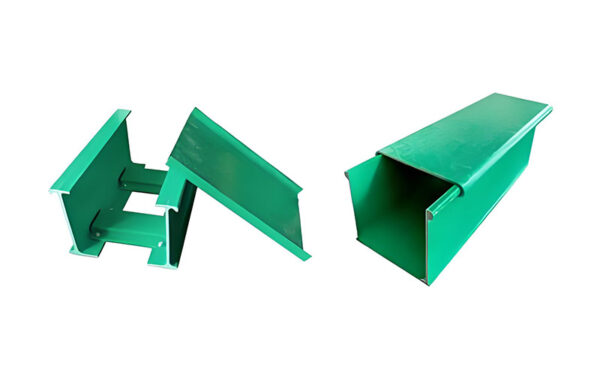
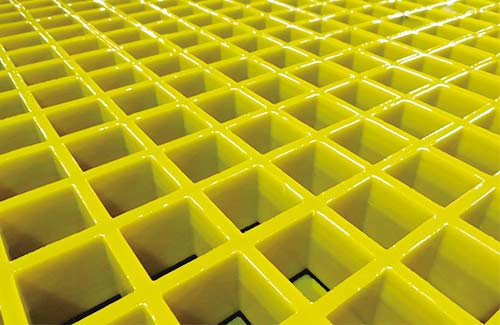
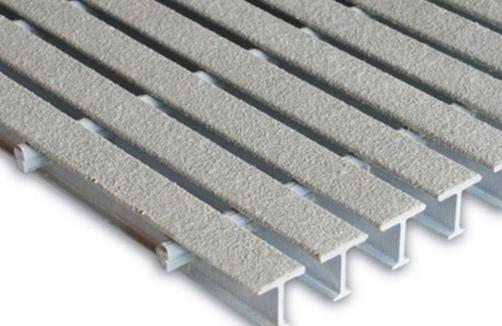
FRP Grating for Rooftop Solar Walkway Pads: The Ideal Solution for Safe and Durable Solar Panel Access
Rooftop solar installations are rapidly becoming a cornerstone of renewable energy solutions, but ensuring safe and efficient access to these panels is crucial. Traditional rooftop walkways often fall short in terms of durability, safety, and maintenance requirements. This is where Fiber Reinforced Polymer (FRP) grating emerges as a superior alternative. FRP grating for rooftop solar walkway pads offers a combination of strength, corrosion resistance, and slip resistance—making it the ideal solution for solar panel access.
What Are the Challenges of Traditional Rooftop Walkways?
Many solar panel installations rely on concrete or metal walkways for access. However, these materials come with several drawbacks:
- 腐食: Metal grating can rust when exposed to weather elements, compromising structural integrity.
- 重量: Traditional materials like concrete are heavy, which can strain rooftop structures.
- メンテナンス: Regular repairs and sealing are often necessary to prevent deterioration.
- 滑り抵抗: Uneven or worn surfaces can pose safety hazards for maintenance personnel.
Given these challenges, what is a more reliable and long-lasting solution?
Why Choose FRP Grating for Solar Walkway Pads?
FRP grating stands out for several key reasons:
耐久性と強度
FRP grating is engineered to withstand extreme conditions without degrading. Its composite nature combines the strength of fiberglass with the rigidity of polymer, ensuring longevity even under heavy foot traffic and environmental stressors.
耐食性
Unlike metal, FRP does not rust or corrode. This makes it perfect for rooftop environments where exposure to rain, snow, and UV rays is constant.
軽量設計
FRP grating is significantly lighter than concrete or steel, reducing the load on the roof structure. This is especially important for older buildings or those with limited load-bearing capacity.
安全機能
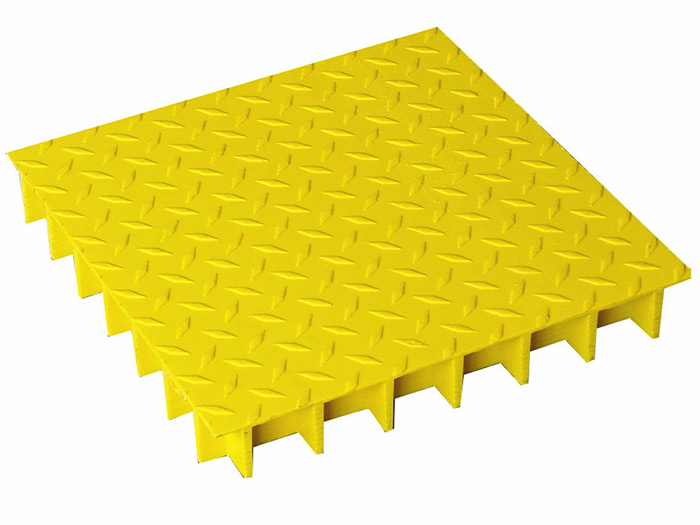
Many FRP grating products come with built-in non-slip surfaces, reducing the risk of falls during maintenance or inspections. Additionally, its seamless design prevents tripping hazards.
FRPグレーチングは費用対効果が高いか?
One common question is whether FRP grating offers a cost-efficient solution. While the initial investment may be higher than traditional materials, the long-term benefits outweigh the costs:
- メンテナンスの軽減: FRP requires minimal upkeep, saving time and money over its lifespan.
- 長寿命: Unlike metal or concrete, FRP does not need frequent repairs or replacements.
- エネルギー効率: The lightweight design may reduce energy consumption associated with roof support structures.
When comparing total cost of ownership, FRP grating proves to be a wise investment for rooftop solar installations.
Sharing Best Practices for Installation
Proper installation is key to maximizing the benefits of FRP grating. Here are some best practices:
- Assess Roof Load Capacity: Ensure the roof can support the weight of FRP grating, especially if additional accessories like handrails are included.
- Proper Fastening: Use corrosion-resistant fasteners to secure the grating to the roof.
- Consider Drainage: Design the walkway to allow proper water runoff to prevent pooling.
- 定期検査: Conduct periodic checks to ensure the grating remains in optimal condition.
By following these guidelines, solar panel installations can enjoy a safe and durable walkway system for years to come.
結論
FRP grating for rooftop solar walkway pads is a forward-thinking solution that addresses the limitations of traditional materials. Its durability, safety features, and cost-effectiveness make it the ideal choice for solar panel access. As the demand for renewable energy grows, investing in high-quality FRP grating ensures both functionality and longevity for rooftop solar installations.
For those in the solar industry, consider FRP grating as a game-changer for creating safer, more efficient, and sustainable walkway systems.
Would you like to learn more about FRP grating specifications or case studies? Share your thoughts in the comments below!