FRP Channel Installation and Maintenance: A Comprehensive Guide for Optimal Performance
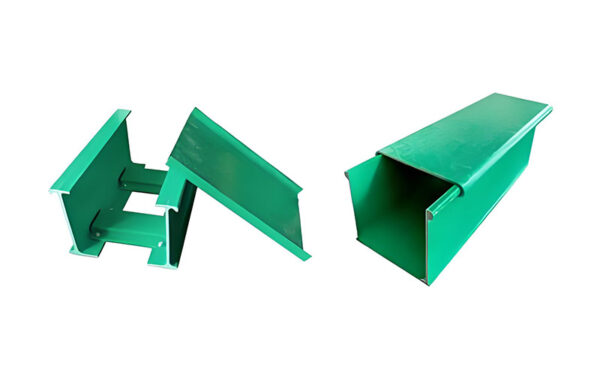
Fiberglass Reinforced Plastic (FRP) channels are widely used in various industries due to their durability, corrosion resistance, and lightweight nature. Whether for industrial ventilation, architectural applications, or environmental protection, proper installation and maintenance of FRP channels are crucial to ensure optimal performance and longevity. However, many professionals face challenges during installation and maintenance, leading to potential issues like leaks, structural weaknesses, or reduced efficiency.
Common Questions About FRP Channel Installation
1. What are the key considerations for installing FRP channels?
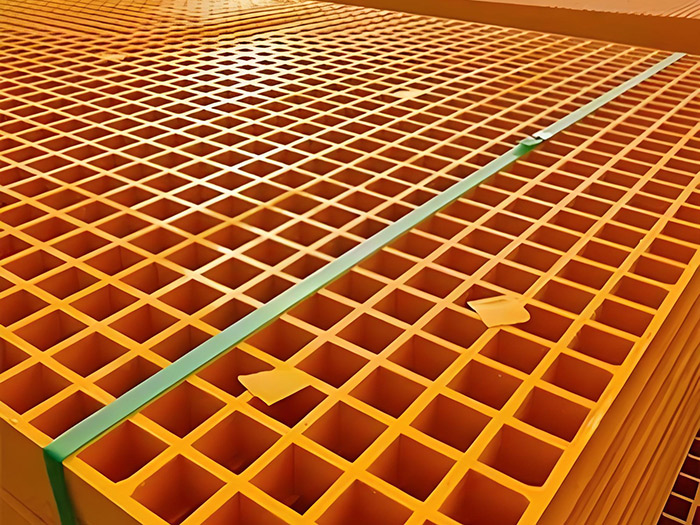
Proper installation begins with selecting the right materials and tools. FRP channels must be installed on a level surface to prevent warping or misalignment. Additionally, proper anchoring and support are essential to maintain structural integrity. Using high-quality sealants and connectors can prevent leaks and ensure airtight or watertight joints.
2. How do environmental factors affect FRP channel performance?
Exposure to UV radiation, extreme temperatures, and moisture can degrade FRP channels over time. To mitigate this, manufacturers often recommend using UV-resistant coatings or paints. Proper ventilation and protection from direct sunlight can also extend the lifespan of the channels.
3. What maintenance practices should be followed?
Regular inspections are vital to identify cracks, corrosion, or loose connections. Cleaning the channels periodically prevents dust buildup, which can hinder airflow. Applying protective coatings can further enhance durability. Additionally, replacing damaged components promptly avoids more significant issues.
Addressing Installation Challenges
Correct Anchoring Techniques
One of the most common installation mistakes is inadequate anchoring. FRP channels can become loose or shift, leading to inefficiencies. Using expansion anchors or brackets ensures stability. It’s also essential to follow the manufacturer’s guidelines for weight distribution to prevent overloading.
Sealing Joints Properly
Leaks are a significant concern in FRP channel systems. Applying high-quality sealants, such as EPDM or silicone, can create airtight or watertight seals. Ensuring all joints are properly sealed during installation prevents moisture ingress and maintains system performance.
Partilhar as melhores práticas
If you’re working on an FRP channel project, here are some tips to ensure success:
– Plan Ahead: Measure and mark the installation area before starting to avoid errors.
– Use the Right Tools: Invest in high-quality tools to prevent damage to the FRP channels.
– Follow Manufacturer Guidelines: Always refer to the manufacturer’s installation manual for specific instructions.
– Train Your Team: Ensure your installation team is well-trained in FRP channel systems to avoid mistakes.
Conclusão
Proper installation and maintenance of FRP channels are essential for achieving optimal performance and longevity. By addressing common challenges, following best practices, and conducting regular inspections, you can ensure your FRP channel system operates efficiently. If you’re facing specific issues or need further guidance, consulting with experts in FRP technology can provide valuable insights.
Implementing these strategies not only enhances performance but also reduces long-term costs by minimizing repairs and replacements. Whether for industrial or architectural applications, a well-maintained FRP channel system is a reliable solution for years to come.