Sino Composite Structures Co.,Ltd.

+86-510-86890852

WhatsApp: 8618921275456

Sino Composite Structures Co.,Ltd.

+86-510-86890852

WhatsApp: 8618921275456

Notícias

Início " Notícias " Página 15

Grelha FRP para drenagem de pavimentos de estufas: A solução definitiva para sistemas de drenagem eficientes

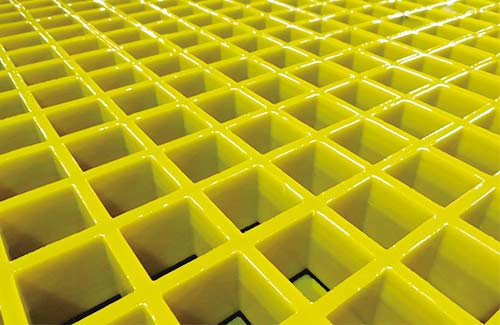
Grades de PRFV para drenagem de pisos de estufas: A solução definitiva para sistemas de drenagem eficientes As estufas são essenciais para a agricultura moderna, proporcionando ambientes controlados que maximizam o rendimento das colheitas. No entanto, um dos maiores desafios na gestão de estufas é a manutenção de sistemas de drenagem óptimos. Uma drenagem deficiente pode conduzir a encharcamento, apodrecimento das raízes e outras doenças das plantas, reduzindo, em última análise, a produtividade. As soluções de drenagem tradicionais têm muitas vezes limitações, como a corrosão, o peso elevado e os problemas de manutenção. É aqui que a grelha de polímero reforçado com fibras (FRP) surge como uma solução revolucionária. Mas o que faz exatamente da grelha FRP a melhor escolha para a drenagem de pavimentos de estufas? Vamos explorar as principais questões e benefícios. O que é a grelha FRP e como funciona? A grade FRP é um material composto feito de uma combinação de fibra de vidro e resina de polímero. Esta mistura única cria um produto leve, durável e resistente à corrosão que se destaca em ambientes exigentes. Ao contrário dos materiais tradicionais como o aço ou o betão, a grelha FRP não enferruja nem se degrada com o tempo, o que a torna uma escolha ideal para sistemas de drenagem de estufas. Questões-chave a considerar: Como a grade de PRFV se compara aos materiais de drenagem tradicionais? Quais são os benefícios de usar grades de PRFV em pisos de estufas? A grade de PRFV é rentável para operações de estufa em grande escala? PRFV

Ler mais "

Grade de PRFV para área ácida de fábrica de semicondutores: A solução de pavimento ideal para ambientes químicos agressivos

FRP Grating for Semiconductor Fab Acid Area: The Ideal Flooring Solution for Harsh Chemical Environments In the high-tech world of semiconductor fabrication, maintaining a clean and safe environment is paramount. The acid areas within these facilities are particularly challenging, as they are exposed to harsh chemicals that can damage traditional flooring materials. What if there was a flooring solution that could withstand these extreme conditions while also enhancing safety and efficiency? The answer lies in Fiber-Reinforced Polymer (FRP) grating. What Makes FRP Grating Suitable for Semiconductor Fab Acid Areas? FRP grating is a composite material made from a combination of fiberglass and a polymer resin. This unique composition makes it highly resistant to corrosion, chemicals, and extreme temperatures. Unlike traditional materials like concrete or steel, FRP grating does not rust or corrode, ensuring long-term durability in acidic environments. Why Choose FRP Grating Over Traditional Materials? Traditional flooring options often struggle in semiconductor fab acid areas. Concrete can crack and absorb chemicals, while steel rusts and corrodes over time. FRP grating, on the other hand, offers several advantages: Chemical Resistance: It can withstand a wide range of acids and corrosive substances. Lightweight: FRP grating is significantly lighter than concrete, reducing the

Ler mais "

Placa de PRFV de 1/2 polegada para decks de plataforma: O material ideal para o seu projeto

FRP Plate 1/2 Inch for Platform Decking: The Ideal Material for Your Project When it comes to constructing durable and reliable platform decking, choosing the right material is crucial. FRP (Fiberglass Reinforced Plastic) plates, particularly 1/2 inch thick, have gained popularity due to their exceptional strength, corrosion resistance, and lightweight nature. But what makes FRP plates the ideal choice for your project? Let’s explore the benefits, potential questions, and why this material stands out in the construction industry. Why Choose FRP Plates for Platform Decking? Durability and Strength One of the primary reasons FRP plates are preferred for platform decking is their unmatched durability. Unlike traditional materials like wood or steel, FRP plates do not corrode, rust, or rot over time. This makes them perfect for outdoor applications where exposure to moisture and harsh weather conditions is inevitable. Additionally, FRP plates can withstand heavy loads without bending or cracking, ensuring long-term stability for your decking project. Lightweight and Easy to Install Another significant advantage of FRP plates is their lightweight nature. Unlike concrete or steel, which can be bulky and difficult to handle, FRP plates are easy to transport and install. This not only reduces labor costs but also minimizes

Ler mais "

FRP Grating Snow Load Calculation Example: A Detailed Guide and Practical Steps

FRP Grating Snow Load Calculation: A Detailed Guide and Practical Steps When designing structures that will be exposed to snow loads, such as bridges, walkways, or industrial platforms, it’s crucial to ensure the materials used can withstand the weight and pressure of accumulated snow. Fiber Reinforced Polymer (FRP) grating is a popular choice due to its lightweight, corrosion-resistant, and high-strength properties. However, calculating the snow load on FRP grating requires a detailed understanding of engineering principles and practical considerations. In this guide, we’ll explore the key aspects of FRP grating snow load calculation, common questions, and practical steps to ensure structural integrity. Understanding Snow Load on FRP Grating Snow load refers to the weight of snow that a surface must support during a snow event. The calculation of snow load is essential to prevent structural failure, which can lead to costly repairs and safety hazards. FRP grating, while strong, has specific load-bearing capacities that must be considered when designing a structure for snowy environments. Key Factors Affecting Snow Load Several factors influence the snow load on FRP grating: Snowfall Amount: The total amount of snowfall in a given area. Snow Density: The weight per cubic foot of snow, which varies

Ler mais "

Notícias

Produto quente

滚动至顶部