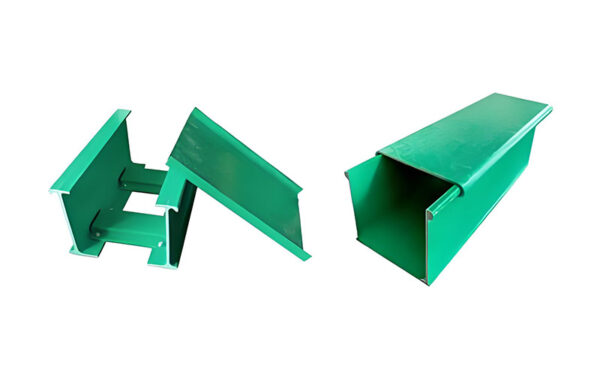
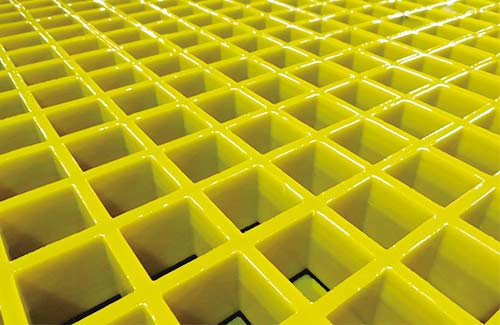
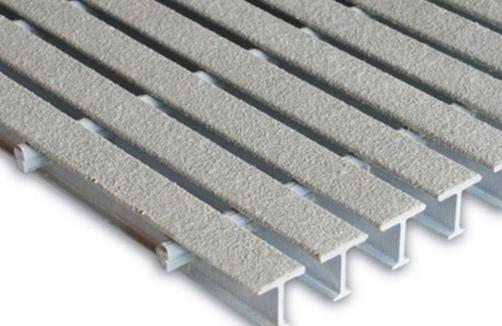
Pedestrian Bridge FRP Decking Design Example: A Comprehensive Guide
Designing a pedestrian bridge with Fiber-Reinforced Polymer (FRP) decking offers numerous advantages, including lightweight construction, high strength, and corrosion resistance. However, achieving a successful design requires careful planning, material selection, and adherence to engineering standards. This guide explores key considerations, potential challenges, and best practices for FRP decking in pedestrian bridge construction.
Why Choose FRP Decking for Pedestrian Bridges?
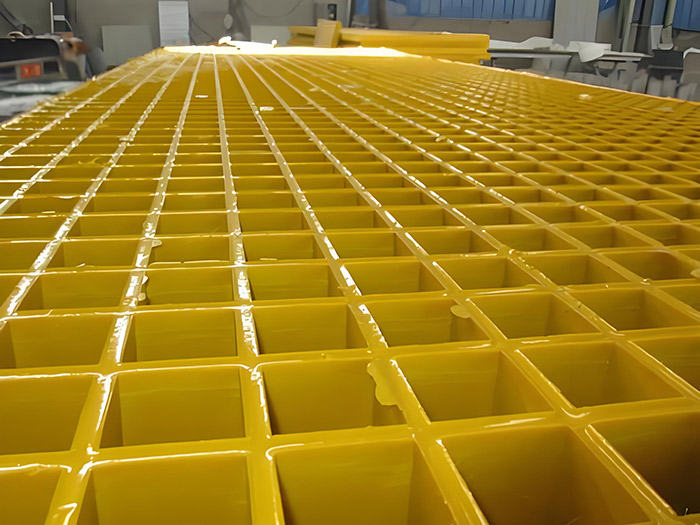
FRP decking has gained popularity in bridge construction due to its durability and versatility. Unlike traditional materials such as steel or concrete, FRP does not corrode, reducing maintenance costs over time. Additionally, FRP is lighter than steel, which can simplify installation and reduce structural loads.
However, designers must address certain challenges, such as the material’s lower thermal conductivity and its behavior under extreme weather conditions. Proper engineering solutions can mitigate these issues, making FRP an excellent choice for pedestrian bridges.
Key Design Considerations
1. Seleção de materiais
The first step in designing FRP decking is selecting the appropriate material. Common types include glass fiber-reinforced polymer (GFRP) and carbon fiber-reinforced polymer (CFRP). GFRP is cost-effective and ideal for general applications, while CFRP offers higher strength-to-weight ratios for specialized projects.
2. Load Capacity and Span Length
FRP decking must withstand pedestrian traffic, wind loads, and seismic forces. Engineers must calculate the required thickness and reinforcement to ensure structural integrity. Typically, FRP decking can span longer distances than traditional materials, but designers must verify compliance with local building codes.
3. Connection Methods
FRP decking must be securely attached to the bridge substructure. Common connection methods include adhesive bonding, mechanical fasteners, or a hybrid approach. Each method has advantages and limitations, and the choice depends on the bridge’s design and environmental conditions.
4. Surface Finishes
The surface of FRP decking should provide a non-slip, comfortable walking surface. Textured finishes or embedded aggregate can enhance safety while maintaining aesthetic appeal. Additionally, designers should consider UV protection to prevent degradation over time.
Potenciais desafios e soluções
1. Thermal Expansion
FRP expands and contracts with temperature changes, which can lead to cracking or delamination if not properly addressed. Designers can incorporate expansion joints or use viscoelastic damping systems to mitigate this issue.
2. Resistência ao impacto
While FRP is strong, it can be brittle compared to steel. Engineers must assess the risk of impact from pedestrians, vehicles, or debris. Adding impact-resistant additives or protective coatings can enhance durability.
3. Sustainability Concerns
Although FRP is recyclable, its production involves energy-intensive processes. Designers should consider life-cycle assessments to ensure the material aligns with sustainability goals.
Best Practices for FRP Decking Design
To ensure a successful pedestrian bridge design, engineers should:
– Conduct thorough material testing and simulation studies.
– Collaborate with FRP manufacturers to optimize design specifications.
– Include maintenance and inspection plans in the project scope.
Partilhar conhecimentos: Um estudo de caso
A recent pedestrian bridge in Toronto used GFRP decking to span 120 feet with a load capacity of 5,000 pounds per square foot. The design incorporated thermal expansion joints and a non-slip surface treatment, resulting in a durable and user-friendly structure. This case highlights the practical benefits of FRP decking when properly engineered.
Conclusão
FRP decking offers a modern, efficient solution for pedestrian bridge construction, combining strength, lightweight properties, and low maintenance requirements. By addressing key design considerations and potential challenges, engineers can create safe, long-lasting bridges that enhance urban environments. Whether for small walkways or large public structures, FRP decking proves to be a valuable choice in contemporary infrastructure projects.