
Sino Composite Structures Co.,Ltd.

+86-510-86890852

WhatsApp: 8618921275456

Sino Composite Structures Co.,Ltd.

+86-510-86890852

WhatsApp: 8618921275456

Новости

Главная " Новости " Страница 88

Применение стеклопластиковых решеток в химической промышленности

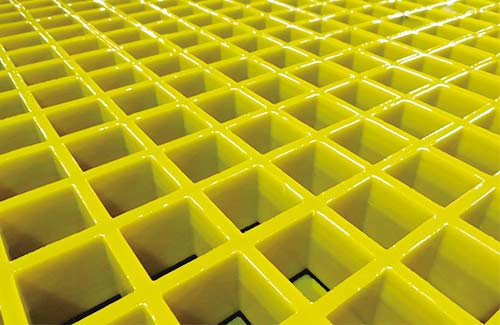
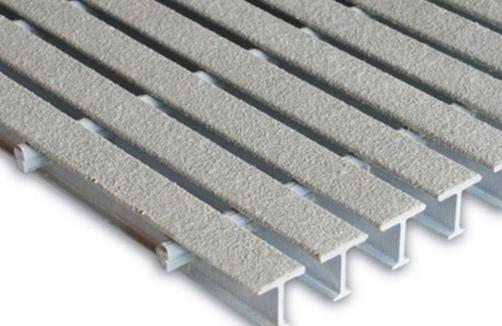
Fiber Reinforced Plastic (FRP) grating, also known as fiberglass grating, has become a popular choice in various industrial applications, particularly in the chemical industry. This material offers a unique combination of strength, durability, and resistance to harsh environments, making it an ideal solution for many challenging conditions. This article will explore the properties of FRP grating, its advantages, and its wide-ranging applications in the chemical industry.   Properties of FRP Grating FRP grating is made from a composite material consisting of resin and glass fibers. The key properties that make FRP grating suitable for the chemical industry include:   High Strength-to-Weight Ratio:    – FRP grating is significantly lighter than traditional materials like steel or concrete, yet it maintains high structural integrity. This makes it easier to handle, install, and transport, reducing labor costs and installation time.   Corrosion Resistance:    – One of the most significant advantages of FRP grating is its excellent resistance to corrosion. Unlike metal gratings, which can rust and deteriorate in corrosive environments, FRP grating remains stable and durable even when exposed to aggressive chemicals and acids.   Chemical Resistance:    – FRP grating is highly resistant to a wide range of chemicals, including acids, alkalis, solvents, and
Читать далее "

Каков принцип работы решетки FRP?

Fiber Reinforced Polymer (FRP) grating, also known as fiberglass grating, is a composite material that has gained significant popularity in various industrial and commercial applications. It is known for its high strength, durability, and resistance to corrosion, making it an ideal choice for environments where traditional materials like steel or wood may not perform well. This article will delve into the working principle of FRP grating, its composition, manufacturing process, and the wide range of applications where it excels. 1. Composition of FRP GratingFRP grating is composed of two main components: resin and reinforcing fibers. The resin serves as the matrix, providing the structural integrity and chemical resistance, while the reinforcing fibers, typically made of glass, carbon, or aramid, provide the strength and stiffness. -Resin: The resin used in FRP grating can be either polyester, vinyl ester, or epoxy. Each type of resin offers different properties, such as chemical resistance, UV stability, and thermal performance.-Reinforcing Fibers: Glass fibers are the most common type of reinforcing fiber used in FRP grating. They are lightweight, strong, and have excellent tensile strength. Carbon fibers and aramid fibers are also used in specialized applications where higher strength or specific properties are required. 2. Manufacturing

Читать далее "

Решетки из стеклопластика в сравнении с традиционными материалами: Сравнительный анализ

Fiber Reinforced Plastic (FRP) grating has emerged as a versatile and high-performance alternative to traditional materials such as steel, aluminum, and wood. This article provides a comprehensive comparative analysis of FRP grating and traditional materials, focusing on their key properties, applications, and long-term benefits. By understanding the strengths and weaknesses of each material, engineers, architects, and project managers can make informed decisions that best meet their specific project requirements. Introduction FRP grating is a composite material made from resin and reinforcing fibers, typically glass or carbon. It combines the benefits of both plastic and fiber, resulting in a product that offers superior mechanical properties, corrosion resistance, and durability. Traditional materials, such as steel, aluminum, and wood, have been used for decades in various applications, but they come with certain limitations. This comparative analysis will help you understand the key differences and choose the most suitable material for your project. 1. Mechanical Properties 1.1 Strength and Stiffness – FRP Grating:– Strength: FRP grating has a high strength-to-weight ratio, making it capable of supporting heavy loads while remaining lightweight. The reinforcing fibers, such as glass or carbon, contribute significantly to its tensile and compressive strength.– Stiffness: The stiffness of FRP grating can

Читать далее "

Изготовление решетки из стеклопластика на заказ: Подбор решений под конкретные нужды

Fiber Reinforced Plastic (FRP) grating has become a popular choice in various industries due to its exceptional properties, including high strength, corrosion resistance, lightweight nature, and ease of installation. However, one of the key advantages of FRP grating is its versatility and the ability to be customized to meet specific needs. This article will explore the process of customizing FRP grating, the benefits of customization, and how it can be tailored to suit different applications and environments. Introduction to FRP Grating FRP grating is a composite material made from resin and reinforcing fibers, typically glass or carbon. The combination of these materials results in a product that offers superior mechanical properties, chemical resistance, and durability compared to traditional materials like steel or wood. FRP grating is widely used in industries such as oil and gas, water treatment, marine, construction, and manufacturing, where harsh environments and stringent safety requirements are common. Why Customize FRP Grating? Customization of FRP grating allows for the creation of solutions that perfectly fit the unique requirements of a project. Here are some reasons why customization is essential: 1. Specific Performance Requirements: Different applications may require varying levels of load-bearing capacity, slip resistance, and fire resistance.2. Environmental

Читать далее "

Новости

Горячий продукт

滚动至顶部