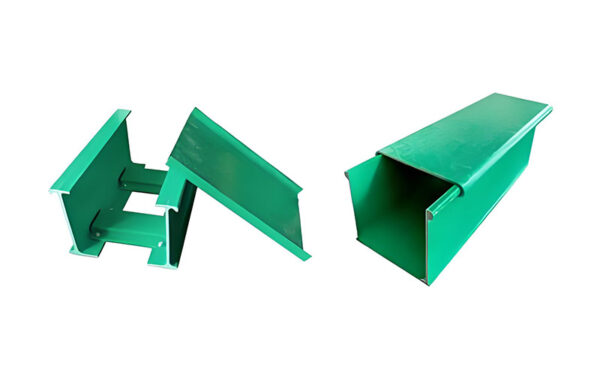
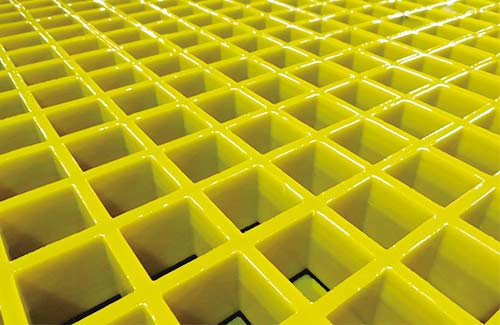
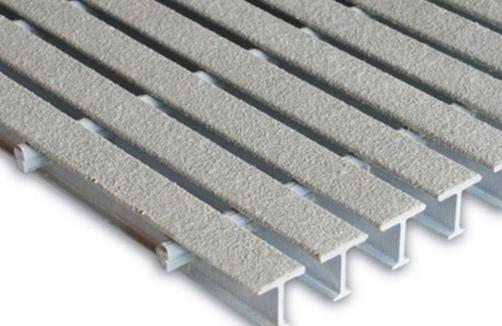
FRP Grating for Solar Panel Access Platforms: A Comprehensive Overview
The rapid expansion of solar energy infrastructure has created unique challenges for access solutions. When installing and maintaining solar panel arrays, professionals need safe, durable, and efficient access platforms. This raises several critical questions about material selection and implementation.
Why Choose FRP Grating for Solar Access Platforms?

Fiber Reinforced Polymer (FRP) grating has emerged as the superior choice for solar panel access platforms. Unlike traditional steel or aluminum, FRP grating offers exceptional corrosion resistance, crucial for outdoor installations exposed to weather elements. Its non-conductive properties eliminate electrical hazards around solar equipment, significantly enhancing worker safety.
What Advantages Does FRP Grating Provide?
The lightweight nature of FRP grating—approximately 75% lighter than steel—reduces structural support requirements and transportation costs. Its high strength-to-weight ratio ensures load-bearing capacity while facilitating easier installation. Additionally, FRP grating’s UV resistance prevents degradation from prolonged sun exposure, extending the service life of access platforms in solar farms.
How to Select the Right FRP Grating for Solar Applications?
When choosing FRP grating for solar panel access platforms, consider resin type, mesh size, and load requirements. Isophthalic polyester resin offers excellent UV resistance, while vinyl ester provides superior chemical resistance. The optimal mesh size balances safety (preventing small tools from falling) with footing stability.
Installation and Best Practices
Proper installation is critical for maximizing FRP grating performance. Ensure panels are adequately supported with minimal overhang. Use appropriate mechanical fasteners designed for FRP materials, and follow manufacturer guidelines for thermal expansion allowances. When working with solar installations, always verify that the grating’s load capacity exceeds maximum expected weights, including personnel and equipment.
Real-World Application Insights
Industry experts emphasize that FRP grating’s slip resistance provides crucial safety benefits in wet conditions common on solar platforms. “We’ve documented a 60% reduction in slip-related incidents since transitioning to FRP grating,” reports a solar farm operations manager. “The return on investment comes not just from durability, but from preventing costly downtime due to injuries.”
Maintenance Considerations
FRP grating requires minimal maintenance compared to metal alternatives. Regular cleaning with mild detergent and water preserves its appearance and slip resistance. Inspect annually for surface degradation and repair minor damages promptly to prevent structural compromise.
Cost-Effectiveness Analysis
While initial FRP grating costs may be higher than some alternatives, the long-term savings are substantial. Elimination of corrosion-related replacements, reduced structural support costs, and lower installation expenses typically result in a 30-40% total cost savings over a 15-year lifecycle.
In conclusion, FRP grating represents an intelligent investment for solar panel access platforms, offering unmatched safety, durability, and economic benefits that align with the sustainable principles of solar energy infrastructure.