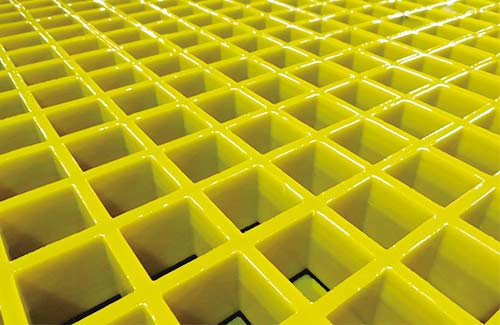
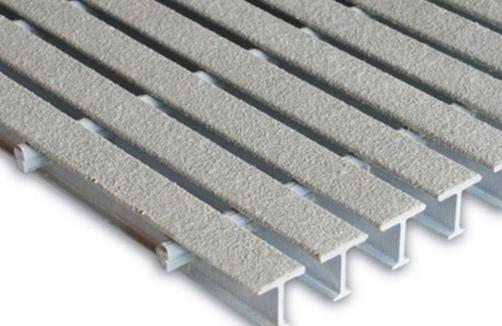
3×10 vinyl ester FRP grating chemical resistance: Superior Performance for Harsh Environments
3×10 Vinyl Ester FRP Grating: Superior Performance for Harsh Environments When it comes to industrial flooring solutions, especially in environments where chemical resistance is paramount, choosing the right material can make all the difference. 3×10 vinyl ester FRP grating has emerged as a top choice for applications in chemical plants, refineries, marine facilities, and other harsh environments. But what makes this material stand out? What are its key advantages, and how does it compare to traditional materials? Let’s dive into these questions and explore why vinyl ester FRP grating is the superior solution for demanding conditions. What is 3×10 Vinyl Ester FRP Grating? Fiberglass reinforced plastic (FRP) grating is a composite material made from fiberglass and a polymer matrix, offering exceptional strength, durability, and corrosion resistance. The 3×10 vinyl ester variant is specifically engineered using a high-performance vinyl ester resin, which enhances its chemical resistance, making it ideal for exposure to acids, alkalis, and organic solvents. Unlike traditional materials such as steel or concrete, FRP grating does not rust, corrode, or degrade when exposed to harsh chemicals. This makes it a cost-effective and long-lasting solution for industries where chemical resistance is critical. Why Choose 3×10 Vinyl Ester FRP Grating for