
شركة Sino Composite Structures Co.,Ltd.

+86-510-86890852

واتساب 8618921275456

شركة Sino Composite Structures Co.,Ltd.

+86-510-86890852

واتساب 8618921275456

الأخبار

اختيار الشبكة المصنوعة من البولي بروبيلين المقوى بالفلين المقوى المناسب لمشروعك

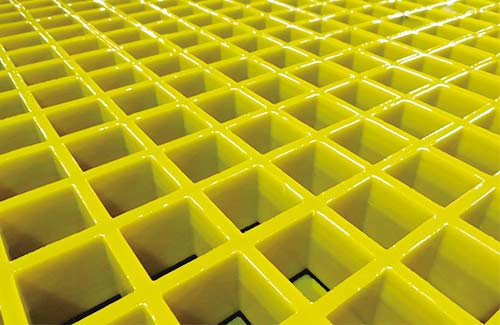
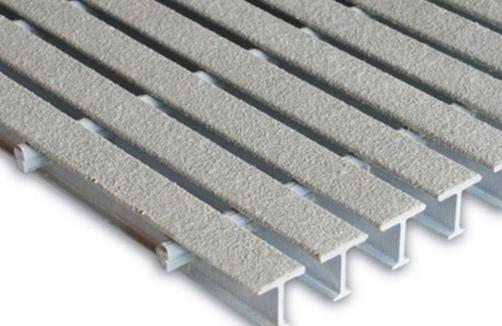
Fiber-Reinforced Polymer (FRP) pultruded grating has become a popular choice in various industries, including construction, chemical processing, marine, and wastewater treatment, due to its exceptional strength, durability, and resistance to corrosion. However, with a wide range of options available, selecting the right FRP pultruded grating for your specific project can be a challenging task. This article aims to guide you through the process of choosing the most suitable FRP pultruded grating, covering key factors such as material properties, load requirements, environmental conditions, and installation considerations. 1. Introduction to FRP Pultruded Grating FRP pultruded grating is a composite material made from high-strength fibers, typically glass or carbon, embedded in a thermosetting resin matrix. The manufacturing process, known as pultrusion, involves pulling continuous strands of fiber through a resin bath and then through a heated die, where the resin cures to form a solid, reinforced profile. This process results in a strong, lightweight, and corrosion-resistant material that is ideal for a wide range of applications, including walkways, platforms, stair treads, and more. 2. Understanding Material Properties When choosing FRP pultruded grating, it’s essential to understand the material properties and how they align with your project requirements. Key properties to consider include: -Strength
اقرأ المزيد "

الفوائد البيئية لاستخدام المشابك المصنوعة من البولي بروبيلين المقوى بالقطع FRP في البناء والصناعة

In recent years, there has been a growing emphasis on sustainability and environmental responsibility across various industries. One material that is gaining significant attention for its eco-friendly properties is Fiber-Reinforced Polymer (FRP) pultruded grating. This innovative composite material offers numerous environmental benefits, making it an attractive choice for construction and industrial applications. In this article, we will explore the environmental advantages of using FRP pultruded grating, including its reduced carbon footprint, durability, and recyclability. 1. Introduction to FRP Pultruded Grating Fiber-Reinforced Polymer (FRP) pultruded grating is a composite material made from resin and high-strength fibers, typically glass or carbon. The manufacturing process, known as pultrusion, involves pulling continuous strands of fiber through a resin bath and then through a heated die, where the resin cures to form a solid, reinforced profile. This process results in a strong, lightweight, and corrosion-resistant material that is ideal for a wide range of applications, including walkways, platforms, stair treads, and more. 2. Reduced Carbon Footprint One of the most significant environmental benefits of FRP pultruded grating is its lower carbon footprint compared to traditional materials like steel and concrete. Here are some key factors contributing to this advantage: – Energy-Efficient Manufacturing Process: The pultrusion

اقرأ المزيد "

استكشاف تعدد استخدامات أنابيب FRP في مختلف الصناعات

Fiber Reinforced Polymer (FRP) tubes, also known as composite tubes, have become a game-changer in numerous industries due to their exceptional properties. These tubes are composed of a polymer matrix reinforced with high-strength fibers, such as glass, carbon, or aramid, which provide them with a unique combination of strength, durability, and flexibility. This article delves into the versatility of FRP tubes across various industries, highlighting their applications, benefits, and the transformative impact they have on modern engineering and construction. Understanding FRP TubesFRP tubes are engineered materials that offer a high strength-to-weight ratio, excellent corrosion resistance, and the ability to withstand harsh environmental conditions. The polymer matrix, typically made from thermosetting resins like epoxy, polyester, or vinyl ester, binds the reinforcing fibers together, creating a robust and durable structure. The choice of fiber and matrix can be tailored to meet specific performance requirements, making FRP tubes highly adaptable for a wide range of applications. Applications in Construction and InfrastructureIn the construction and infrastructure sector, FRP tubes have found extensive use due to their lightweight nature and superior mechanical properties. Some key applications include: – Bridges and Overpasses: FRP tubes are used to construct bridge decks, girders, and columns, providing a lightweight

اقرأ المزيد "

دور أنابيب FRP في مشاريع البنية التحتية الحديثة

In the ever-evolving landscape of construction and infrastructure, the quest for materials that offer superior performance, durability, and cost-effectiveness is relentless. Fiber Reinforced Polymer (FRP) tubes have emerged as a groundbreaking solution, transforming the way we build and maintain our infrastructure. This article explores the pivotal role of FRP tubes in modern infrastructure projects, delving into their applications, benefits, and the future they promise. Understanding FRP TubesFiber Reinforced Polymer (FRP) tubes are composite materials made from a polymer matrix reinforced with fibers, typically glass, carbon, or aramid. These fibers provide strength and stiffness, while the polymer matrix binds them together, offering protection against environmental factors and enhancing the overall structural integrity. FRP tubes are known for their high strength-to-weight ratio, corrosion resistance, and flexibility, making them an ideal choice for a wide range of applications. Applications in InfrastructureFRP tubes find extensive use across various sectors of infrastructure, including: – Bridges and Overpasses: FRP tubes are used to create lightweight, durable, and maintenance-free bridge decks, girders, and columns. They can also be utilized for bridge rehabilitation, where they serve as a replacement for deteriorated steel or concrete components.– Tunnels and Culverts: In tunneling and culvert construction, FRP tubes are employed for

اقرأ المزيد "

الأخبار

منتج ساخن

滚动至顶部