Essential Guide to FRP Grating Seismic Design Parameters
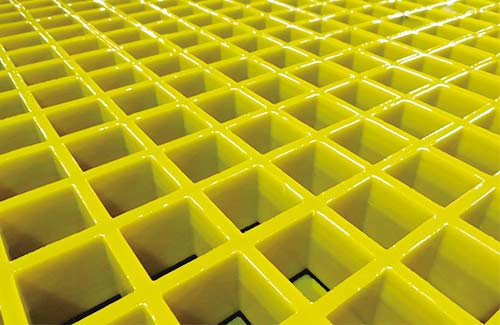
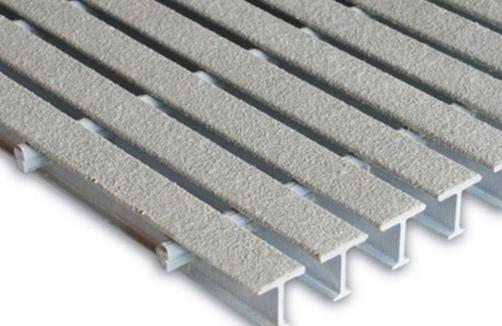
When implementing FRP grating in seismic-prone areas, several critical questions arise that engineers and designers must address. What makes FRP grating suitable for earthquake-resistant applications? How do its inherent properties contribute to seismic performance? These questions are fundamental to ensuring structural safety and longevity.

The primary seismic design parameters for FRP grating include load capacity, flexibility, and durability. Unlike traditional materials, FRP grating offers exceptional strength-to-weight ratio while maintaining sufficient flexibility to absorb seismic energy without catastrophic failure. This unique combination makes it particularly valuable in regions experiencing frequent seismic activity.
One crucial consideration is the dynamic load capacity of FRP grating during earthquakes. Engineers must account for both vertical and horizontal forces that structures may experience. The modulus of elasticity and deflection characteristics of FRP materials significantly influence how the grating performs under these dynamic conditions. Proper calculation of these parameters ensures the grating will maintain structural integrity when subjected to extreme forces.
Another vital aspect is the connection design between FRP grating panels and supporting structures. In seismic events, inadequate connections can lead to panel displacement or detachment, compromising safety. The coefficient of thermal expansion must also be considered, as temperature fluctuations can affect the grating’s dimensional stability and connection integrity.
In practical applications, FRP grating has demonstrated excellent performance in seismic events. A notable case involved a coastal facility in Japan that installed FRP grating in its infrastructure during a retrofitting project. When the region experienced a 6.5 magnitude earthquake, the FRP grating sections showed minimal damage compared to surrounding concrete structures, maintaining functionality without costly repairs or replacements.
Looking ahead, advancements in composite materials continue to enhance FRP grating’s seismic performance. New resin formulations and fiber combinations are being developed to improve energy absorption characteristics while maintaining high load-bearing capacity. As building codes increasingly recognize the benefits of FRP materials, we can expect more specific guidelines for seismic design parameters to emerge.
When selecting FRP grating for seismic applications, always consult current building codes and work with experienced manufacturers who can provide product-specific performance data. Proper installation following manufacturer guidelines is equally critical to ensuring the grating performs as intended during seismic events.