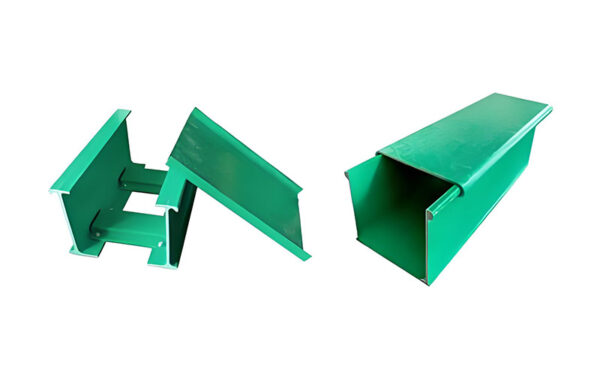
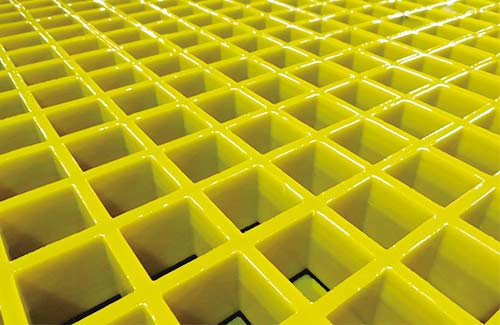
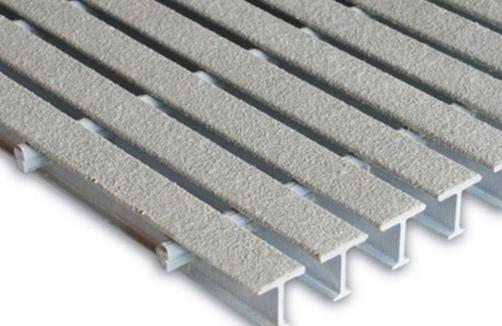
FRP Grating for Airport Runway Drainage: Solving Critical Infrastructure Challenges
Airports face unique challenges when it comes to drainage systems, particularly in high-traffic areas like runways. What makes FRP grating the superior choice for these critical applications?
Why Choose FRP Grating for Airport Drainage?

Airport drainage trenches must withstand extreme conditions while ensuring passenger safety. FRP (Fiberglass Reinforced Plastic) grating offers exceptional advantages over traditional materials. Its corrosion resistance stands out as a critical benefit, especially when exposed to de-icing chemicals and constant moisture. Unlike metal alternatives, FRP won’t rust, ensuring longevity even in harsh environments.
The lightweight nature of FRP grating significantly reduces installation time and costs. How does this impact airport operations? Lighter materials mean easier handling, reduced structural support requirements, and minimal disruption to daily airport activities. Additionally, FRP grating provides excellent slip resistance, a crucial safety feature in areas where personnel and equipment constantly move.
Installation Best Practices for Maximum Performance
Proper installation is essential for optimal performance. What are the key considerations? First, ensure the trench structure is properly prepared with adequate support and drainage slope. FRP grating panels should be securely anchored using appropriate fasteners designed for airport environments. The installation process must account for thermal expansion, as FRP materials expand and contract with temperature changes.
Regular inspections during installation help identify potential issues early. Technicians should verify load capacity requirements match the specific airport’s needs, considering both pedestrian and aircraft traffic requirements.
Maintenance Strategies for Long-Term Reliability
How can airports ensure their FRP drainage systems remain effective? Implementing a proactive maintenance program is crucial. Regular cleaning prevents debris buildup that could obstruct drainage. Visual inspections should focus on checking for any signs of damage, particularly in high-impact areas.
Unlike traditional materials, FRP grating requires minimal maintenance. When damage does occur, repairs can typically be performed without complete panel replacement, reducing costs and downtime. The chemical resistance of FRP also means fewer degradation issues from exposure to aviation fuels and de-icing agents.
Real-World Success Stories
Several major international airports have reported exceptional results after transitioning to FRP grating systems. One major hub in Southeast Asia documented a 60% reduction in maintenance costs and zero corrosion-related failures over a five-year period. These airports consistently highlight the safety improvements and extended service life as key benefits of their investment in FRP technology.
Schlussfolgerung
FRP grating represents a significant advancement in airport drainage infrastructure, offering unparalleled durability, safety, and cost-efficiency. By understanding the proper installation and maintenance requirements, airport operators can maximize the benefits of this innovative material, ensuring reliable drainage systems that meet the rigorous demands of modern aviation.