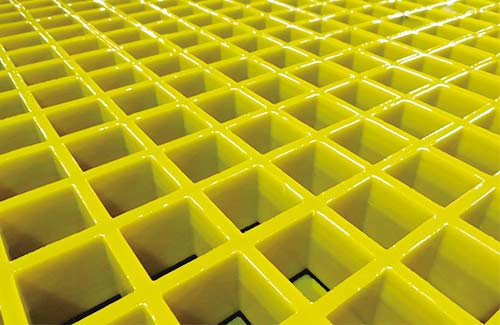
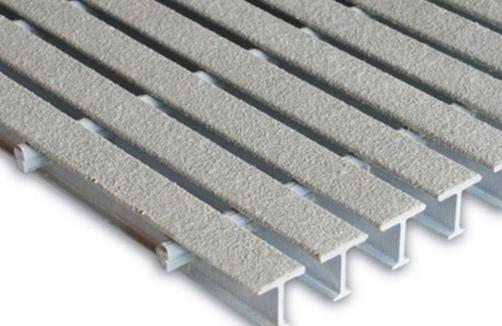
FRP-Gitterroste im Vergleich zu herkömmlichen Materialien: Eine vergleichende Analyse
Fiber Reinforced Plastic (FRP) grating has emerged as a versatile and high-performance alternative to traditional materials such as steel, aluminum, and wood. This article provides a comprehensive comparative analysis of FRP grating and traditional materials, focusing on their key properties, applications, and long-term benefits. By understanding the strengths and weaknesses of each material, engineers, architects, and project managers can make informed decisions that best meet their specific project requirements. Introduction FRP grating is a composite material made from resin and reinforcing fibers, typically glass or carbon. It combines the benefits of both plastic and fiber, resulting in a product that offers superior mechanical properties, corrosion resistance, and durability. Traditional materials, such as steel, aluminum, and wood, have been used for decades in various applications, but they come with certain limitations. This comparative analysis will help you understand the key differences and choose the most suitable material for your project. 1. Mechanical Properties 1.1 Strength and Stiffness – FRP Grating:– Strength: FRP grating has a high strength-to-weight ratio, making it capable of supporting heavy loads while remaining lightweight. The reinforcing fibers, such as glass or carbon, contribute significantly to its tensile and compressive strength.– Stiffness: The stiffness of FRP grating can