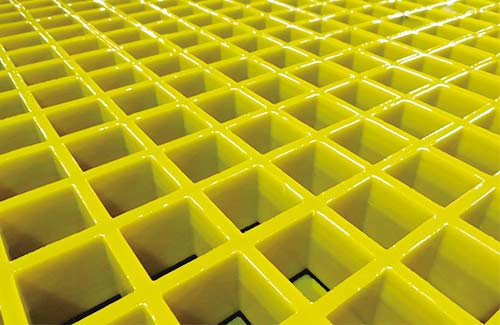
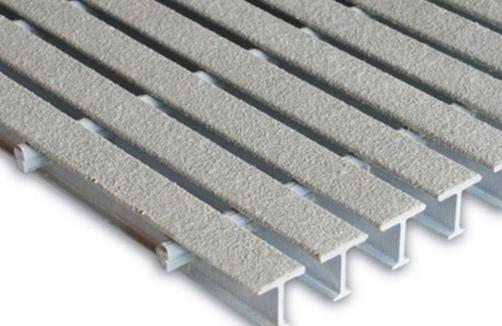
What Will the TOP FRP Grating Companies Look Like in 2026?
Introduction In the dynamic world of FRP (Fiber Reinforced Plastic) grating, the future is full of possibilities. As we look ahead to 2026, it’s essential to understand what the top companies in this field will be like. Among them, Sino Grating stands out as a significant player. Sino Grating: A Leader in FRP Business Since 2002, Sino Composite Structures Co., Ltd., known as Sino Grating, has been deeply involved in the FRP business. They firmly believe in helping customers succeed. When they delivered the first FRP molded grating, they made sure each product could assist customers in completing projects perfectly and safely. Business Scope of Sino Grating Over 20 years of development, Sino Grating’s business has expanded widely. It covers FRP Grating, FRP Structure System, FRP Handrail System, and FRP Ladder System. Moreover, they offer various FRP solutions for designs, projects, and engineering. For example, cable tray systems, telegraph pole systems, and bridge systems. Other Composite Material Applications In addition to the main FRP products, Sino Grating has explored other composite material applications. They work with carbon fiber, basalt fiber, and aramid fiber composite materials. Also, they recognize the benefits of combining multiple materials and provide solutions for aluminum and