Architektonische Innovationen: Die Rolle der FRP-Gitterroste im modernen Bauwesen
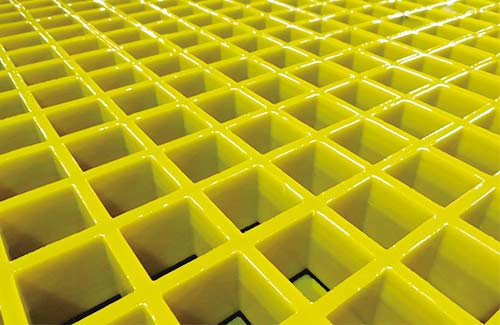
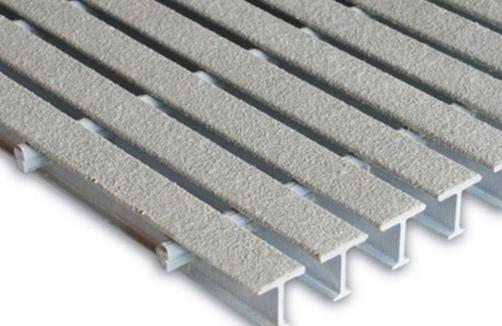
In the ever-evolving landscape of modern construction, the pursuit of innovative materials that can enhance structural integrity, durability, and sustainability has become a driving force for architects, engineers, and construction professionals. One such material that has emerged as a game-changer in the industry is Fiber Reinforced Polymer (FRP) grating. With its unique combination of properties, FRP grating is revolutionizing the way buildings and infrastructure are designed, constructed, and maintained. This article delves into the key characteristics of FRP grating, explores its diverse applications in modern construction, and examines its significant role in shaping the future of the architectural industry. Understanding Fiber Reinforced Polymer (FRP) Grating Fiber Reinforced Polymer (FRP) grating is a composite material consisting of fiberglass strands embedded in a polymer resin matrix. The fiberglass strands, typically made of glass fibers, provide high tensile strength, while the polymer resin matrix binds the fibers together and protects them from environmental degradation. This combination results in a material that is lightweight, strong, corrosion-resistant, non-conductive, and fire-retardant.One of the primary advantages of FRP grating is its exceptional strength-to-weight ratio. Compared to traditional materials such as steel and concrete, FRP grating is significantly lighter, making it easier to handle, transport, and install. This