
Sino Composite Structures Co.,Ltd.

+86-510-86890852

WhatsApp: 8618921275456

Sino Composite Structures Co.,Ltd.

+86-510-86890852

WhatsApp: 8618921275456

Nachrichten

FRP Offshore-Produkte: Der ultimative Leitfaden für fortschrittliche maritime Lösungen

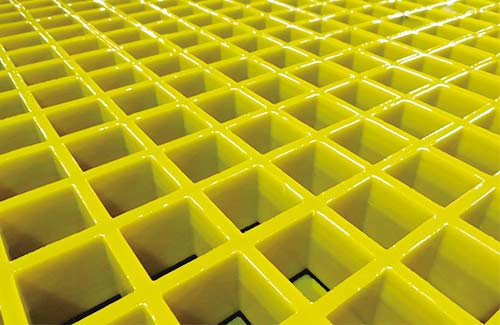
FRP Offshore Products: The Ultimate Guide to Advanced Marine Solutions Offshore industries rely on durable, high-performance materials to withstand harsh marine environments. Fiber Reinforced Polymer (FRP) products have emerged as a game-changer, offering superior strength, corrosion resistance, and lightweight designs. But what exactly are FRP offshore products, and how do they revolutionize marine solutions? This guide explores the benefits, applications, and future potential of FRP in offshore operations. What Are FRP Offshore Products? FRP, also known as fiberglass, is a composite material made from polymer matrices reinforced with fibers. In offshore applications, FRP products are engineered to resist saltwater corrosion, extreme weather conditions, and heavy loads. Unlike traditional materials like steel or concrete, FRP offers a cost-effective and sustainable alternative without compromising durability. Key Questions to Consider: How do FRP products compare to conventional materials in offshore environments? What are the primary applications of FRP in marine industries? What advantages do FRP products offer for offshore structures? Benefits of FRP Offshore Products Superior Durability and Corrosion Resistance Offshore structures are exposed to corrosive saltwater and harsh weather, making material longevity crucial. FRP products outperform traditional materials by resisting rust, rot, and chemical degradation. This durability extends service life, reducing maintenance
Mehr lesen "

Erhöhung der Tragfähigkeit mit 1-1/2 Zoll I-bar Pultruded FRP Grating: Ein umfassender Leitfaden

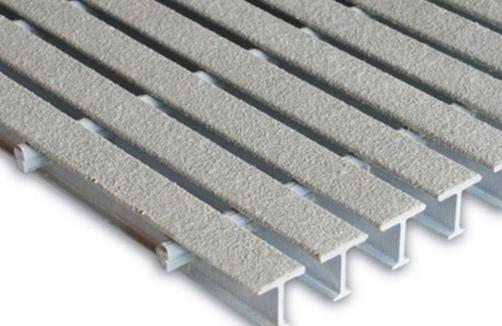
Enhancing Load Capacity with 1-1/2 inch I-bar Pultruded FRP Grating: A Comprehensive Guide Introduction Fiber Reinforced Polymer (FRP) grating has become a popular choice for industrial and commercial applications due to its durability, corrosion resistance, and lightweight nature. Among the various types of FRP grating, 1-1/2 inch I-bar pultruded FRP grating stands out for its enhanced load capacity and structural integrity. This comprehensive guide aims to address common questions and provide insights into how this innovative material can improve load-bearing capabilities in challenging environments. What is 1-1/2 Inch I-bar Pultruded FRP Grating? Definition and Composition 1-1/2 inch I-bar pultruded FRP grating is a type of composite material made from a combination of fiberglass and resin, reinforced with an I-bar profile. The I-bar design provides superior strength and rigidity, making it ideal for high-load applications. Unlike traditional steel gratings, FRP grating does not rust, corrode, or require painting, ensuring long-term performance and minimal maintenance. Key Benefits – High Load Capacity: The I-bar profile distributes weight evenly, allowing the grating to withstand heavy loads. – Corrosion Resistance: FRP grating is unaffected by chemicals, saltwater, and harsh environmental conditions. – Lightweight: Despite its strength, FRP grating is significantly lighter than steel, reducing installation

Mehr lesen "

Hochtemperaturbeständige FRP-Gitterroste: Die ultimative Lösung für extreme Umgebungen

High Temperature Resistant FRP Grating: The Ultimate Solution for Extreme Environments Extreme environments present numerous challenges for material selection, especially in industries like petrochemical, power generation, and aerospace. Traditional materials like steel and concrete often struggle with corrosion, weight, and excessive heat. Fiber Reinforced Polymer (FRP) grating has emerged as a superior alternative, offering exceptional durability and resistance to high temperatures. But what exactly makes FRP grating the ultimate solution for such demanding conditions? What Are the Challenges of Working in Extreme Environments? Extreme environments—such as refineries, chemical plants, and industrial furnaces—expose materials to extreme temperatures, corrosive substances, and heavy loads. Steel gratings, while common, suffer from thermal expansion, rust, and excessive weight, making them impractical for high-temperature applications. Concrete gratings, on the other hand, are brittle and prone to cracking. These challenges lead to frequent maintenance, costly replacements, and safety hazards. Industries need a material that can withstand heat without degrading, resist corrosion, and support heavy loads. Is FRP grating the answer? How Does FRP Grating Outperform Traditional Materials? FRP grating is a composite material made from fiberglass reinforced with polymer resins. This combination creates a lightweight yet incredibly strong product with excellent thermal resistance. Unlike steel, FRP does

Mehr lesen "

FRP Leiterkäfig OSHA-konforme Spezifikationen: Ein umfassender Leitfaden

FRP Ladder Cage OSHA Compliance: A Comprehensive Guide When working in industrial or commercial settings, ensuring safety compliance is paramount. One critical component in electrical systems is the FRP (Fiberglass Reinforced Plastic) ladder cage. These enclosures protect electrical components while adhering to Occupational Safety and Health Administration (OSHA) standards. But what exactly do OSHA-compliant FRP ladder cages entail? What are the key specifications to consider? And how can businesses ensure they meet these requirements? What Are FRP Ladder Cages? FRP ladder cages are durable, corrosion-resistant enclosures used to house electrical equipment. Made from fiberglass, they offer excellent insulation against electrical shocks, chemical exposure, and physical damage. Unlike traditional metal enclosures, FRP ladder cages do not conduct electricity, making them ideal for hazardous environments. OSHA mandates strict safety standards for electrical installations, and FRP ladder cages must comply with these regulations to ensure workplace safety. But what specific specifications must these cages meet? Key OSHA Compliance Specifications 1. Insulation and Non-Conductive Properties OSHA requires electrical enclosures to be non-conductive to prevent accidental shocks. FRP ladder cages naturally fulfill this requirement due to their fiberglass composition. However, manufacturers must verify that the cages maintain their insulating properties under various environmental conditions. 2.

Mehr lesen "

Nachrichten

Heißes Produkt

滚动至顶部