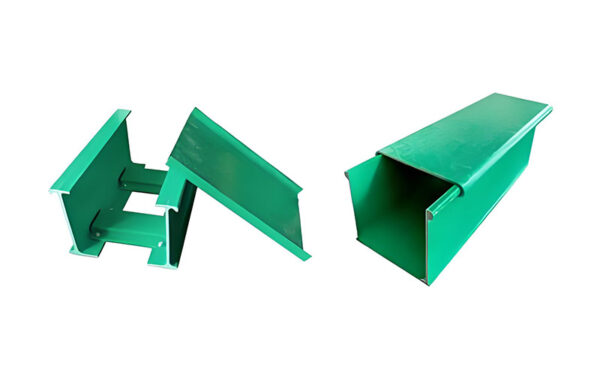
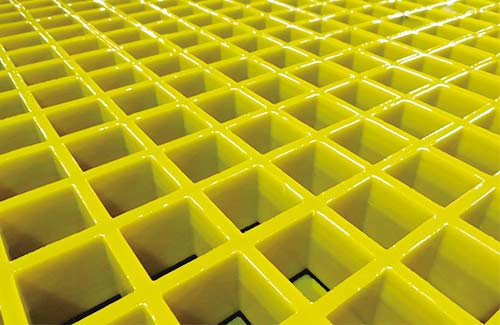
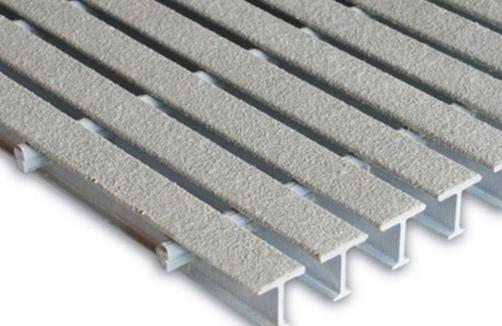
4×12 Fiberglass Reinforced Plastic Grating Stock: Durable and Versatile Industrial Solutions
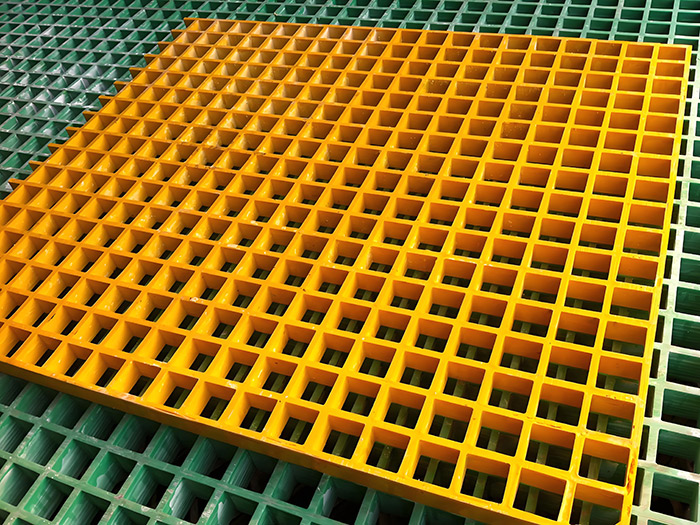
Fiberglass Reinforced Plastic (FRP) grating has become a preferred choice for industries seeking durable, lightweight, and corrosion-resistant solutions for flooring, walkways, and industrial platforms. Among the various available sizes, the 4×12 FRP grating stock stands out for its versatility and robust performance. But what exactly makes this material so suitable for industrial applications? How does it compare to traditional materials like steel or concrete? And what are the key benefits for businesses considering an upgrade?
What Is FRP Grating, and Why Choose 4×12 Stock?
FRP grating is a composite material made from fiberglass reinforced with polymer resins, offering superior strength-to-weight ratios. The 4×12 dimension refers to its span (4 inches) and overall length (12 inches), making it ideal for a variety of applications, from mezzanine floors to bridge deckings. Unlike steel, which can rust, or concrete, which is heavy and prone to cracking, FRP grating provides a maintenance-free, long-lasting alternative.
One of the primary advantages of 4×12 FRP grating is its customization potential. Manufacturers can design it with different load capacities, textures, and non-slip surfaces to suit specific industrial needs. Additionally, FRP grating is highly resistant to chemicals, UV rays, and harsh environmental conditions, ensuring longevity even in corrosive environments.
Common Questions About 4×12 FRP Grating
1. Is FRP Grating More Cost-Effective Than Steel?
While the initial cost of FRP grating may be slightly higher than steel, its durability and low maintenance requirements make it a cost-effective solution in the long run. Steel grating requires regular painting to prevent rust, while FRP grating remains corrosion-free throughout its lifespan.
2. Can 4×12 FRP Grating Support Heavy Loads?
Yes, FRP grating is available in various load ratings, including high-capacity options suitable for industrial machinery and heavy traffic areas. The 4×12 size is commonly used for moderate to heavy-duty applications, ensuring safety and stability.
3. How Does FRP Grating Compare to Concrete?
Concrete is heavy and expensive to install, while FRP grating is lightweight, easier to handle, and faster to deploy. It also eliminates the risk of cracking or spalling, common issues with concrete floors.
4. Is FRP Grating Environmentally Friendly?
FRP grating is a sustainable choice as it uses recycled materials and can be recycled at the end of its life. Unlike steel, it doesn’t require energy-intensive coatings, making it an eco-conscious option.
Applications of 4×12 FRP Grating Stock
The versatility of 4×12 FRP grating makes it suitable for a wide range of industries:
– Plantas químicas: Resistant to corrosive substances.
– Entornos marinos: UV and saltwater resistant.
– Centrales eléctricas: Can withstand extreme temperatures and mechanical stress.
– Commercial Buildings: Ideal for mezzanine floors and safety walkways.
Why Businesses Are Sharing FRP Grating Solutions
Many companies are switching to FRP grating due to its unmatched performance and durability. For example, a manufacturing plant replaced its rusted steel walkways with 4×12 FRP grating, reducing maintenance costs by 70% and improving worker safety. Similarly, a coastal facility reported enhanced durability after installing FRP grating in areas prone to salt spray. Sharing these success stories helps other businesses make informed decisions.
Conclusión
The 4×12 FRP grating stock offers a reliable, versatile, and long-lasting solution for industrial flooring needs. Its resistance to corrosion, lightweight design, and customization options make it a superior choice over traditional materials. Whether for heavy-duty industrial use or commercial applications, FRP grating provides a cost-effective and sustainable alternative. By addressing common questions and showcasing real-world benefits, businesses can confidently transition to this innovative material for their infrastructure needs.
For more information on FRP grating solutions, consult industry experts or visit reputable suppliers to explore the best options for your specific requirements.