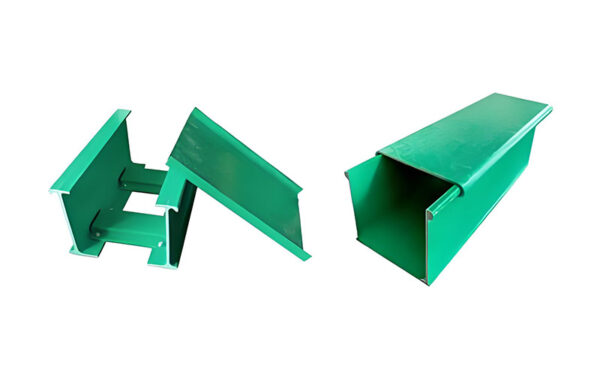
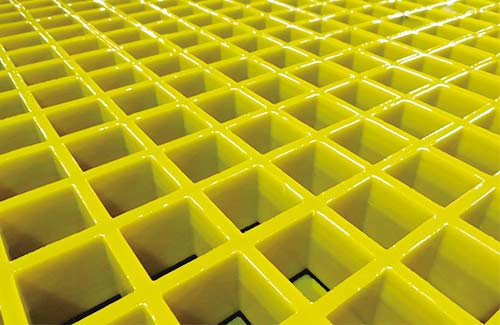
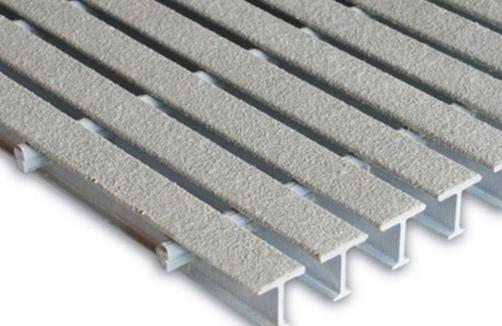
GRP Grating: A Comprehensive Guide to its Types, Benefits, and Applications
Grating is a crucial component in various industries, providing structural support, safety, and durability. Among the most advanced and versatile types of grating is GRP (Glass Reinforced Plastic) grating. But what exactly is GRP grating, and why is it gaining popularity in construction, infrastructure, and industrial applications? This guide will explore the types, benefits, and applications of GRP grating, addressing common questions along the way.
What Is GRP Grating?
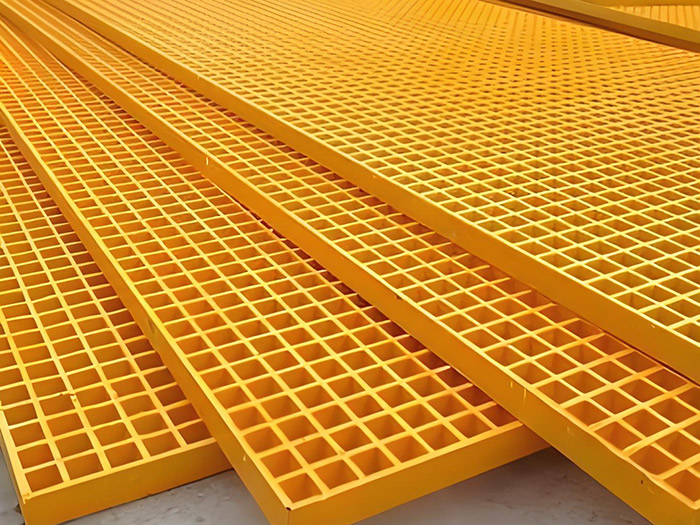
GRP grating is a composite material made from glass fiber reinforced plastic. It combines the strength and durability of glass with the lightweight and corrosion-resistant properties of plastic. This unique composition makes GRP grating an excellent alternative to traditional materials like steel, aluminum, and concrete.
¿Por qué elegir rejillas de PRFV?
One of the primary reasons for the growing adoption of GRP grating is its versatility. Unlike metal grating, GRP does not rust or corrode, making it ideal for environments exposed to harsh chemicals, saltwater, or extreme weather conditions. Additionally, GRP grating is significantly lighter than steel, reducing installation time and labor costs.
Types of GRP Grating
There are several types of GRP grating available, each designed to meet specific needs:
- Plain GRP Grating: This is the most basic type, offering a cost-effective solution for general applications.
- Fiberglass Grating: Enhanced with additional fibers for increased strength and durability.
- Modulus GRP Grating: Designed for high-load applications, providing superior strength and stiffness.
- Composite Grating: Combines GRP with other materials, such as carbon fiber, for enhanced performance.
Each type has its unique features, making it suitable for different industrial and commercial applications.
Ventajas de la rejilla de PRFV
Durabilidad y longevidad
One of the standout benefits of GRP grating is its exceptional durability. Unlike metal grating, GRP does not rust or corrode, ensuring a longer service life. This durability translates to lower maintenance costs and extended使用寿命, making it a cost-effective choice in the long run.
Ligero y fácil de instalar
GRP grating is significantly lighter than steel, which simplifies transportation and installation. This lightweight nature also reduces the load on supporting structures, making it ideal for bridges, walkways, and platforms.
Superficies antideslizantes
Safety is a key concern in many applications. GRP grating can be manufactured with non-slip surfaces, reducing the risk of slips and falls in wet or slippery conditions. This makes it a popular choice for pedestrian walkways, loading docks, and industrial floors.
Resistencia a la corrosión
As mentioned earlier, GRP grating is highly resistant to corrosion, making it ideal for use in chemical plants, marine environments, and other corrosive conditions. This resistance ensures that the grating remains in top condition, even when exposed to harsh chemicals and saltwater.
Aplicaciones de la rejilla de PRFV
Plataformas y pasarelas industriales
GRP grating is widely used in industrial settings for platforms, walkways, and mezzanine floors. Its durability and non-slip properties make it a safe and reliable choice for heavy industrial environments.
Cubiertas de puentes
Many bridges are now being constructed with GRP grating due to its lightweight nature and resistance to corrosion. This not only extends the lifespan of the bridge but also reduces maintenance costs.
Marine and Offshore Structures
The marine industry benefits greatly from GRP grating, which can withstand harsh saltwater environments without corroding. It is commonly used for docks, piers, and offshore platforms.
Plantas químicas
In chemical plants, GRP grating is used for platforms and walkways where exposure to corrosive substances is a concern. Its chemical resistance ensures safety and durability in these demanding environments.
Conclusión
GRP grating is a versatile and durable material that offers numerous benefits over traditional grating materials. Its resistance to corrosion, lightweight nature, and non-slip surfaces make it an ideal choice for a wide range of applications. Whether you’re constructing an industrial platform, a bridge, or a marine structure, GRP grating provides a reliable and cost-effective solution.
If you’re considering GRP grating for your next project, be sure to consult with a reputable supplier who can provide tailored solutions to meet your specific needs. Sharing this guide with your team or clients can help them understand the advantages of GRP grating and make informed decisions for their projects.
By choosing GRP grating, you’re not only investing in a durable and long-lasting material but also in a safer and more efficient solution for your infrastructure needs.