Corrosion-Resistant FRP Channel: The Ultimate Guide for Industrial Applications
Corrosion is a persistent challenge in industrial environments, where materials are exposed to harsh chemicals, extreme temperatures, and moisture. Traditional metal channels, such as aluminum or steel, often degrade over time, leading to costly maintenance and replacement. Fiberglass Reinforced Polymer (FRP) channels have emerged as a superior alternative due to their exceptional corrosion resistance, durability, and lightweight properties. But what exactly makes FRP channels the ultimate choice for industrial applications?
What Are FRP Channels, and Why Are They Corrosion-Resistant?
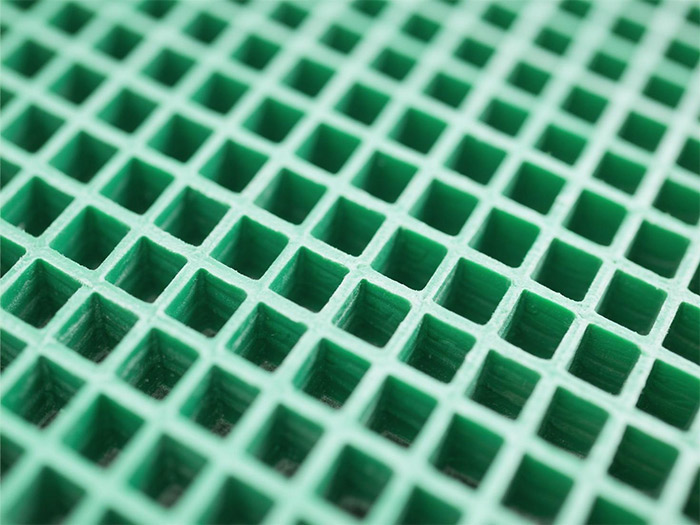
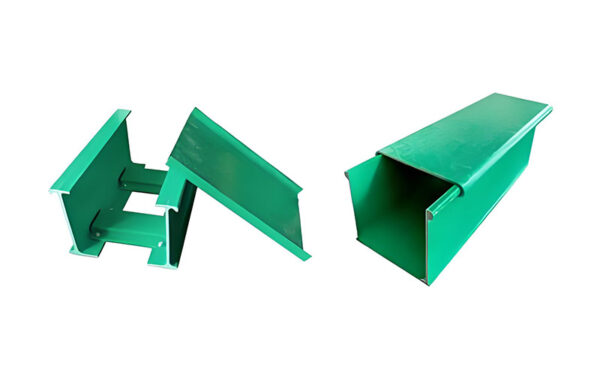
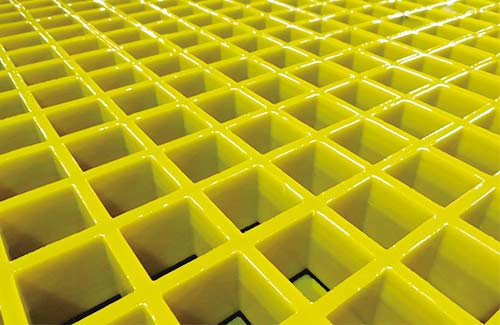
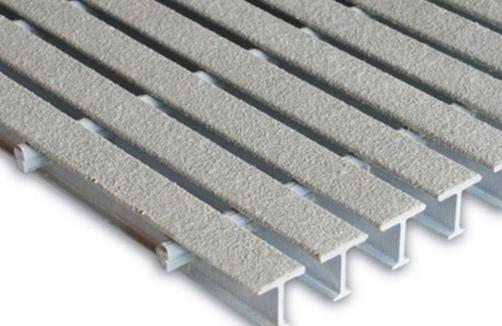
FRP channels, also known as Fiber Reinforced Plastic channels, are composite materials made from a combination of fiberglass and polymer resins. This composition provides several advantages over conventional materials:
- Resistencia química: FRP channels can withstand exposure to acids, alkalis, and other corrosive substances, making them ideal for chemical processing plants.
- Moisture Insensitivity: Unlike metals, FRP does not rust or corrode when exposed to water, ensuring long-term reliability in humid environments.
- Ligero pero resistente: FRP channels are significantly lighter than metal alternatives, reducing structural stress on supports and lowering installation costs.
These properties make FRP channels a cost-effective solution for industries where corrosion is a major concern.
Common Industrial Applications of FRP Channels
FRP channels find extensive use in various industrial sectors due to their versatility and performance. Here are some of the most common applications:
1. Plantas químicas y petroquímicas
In environments where hazardous chemicals are handled, FRP channels provide a safe and durable conduit for fluid transfer and drainage systems.
2. Instalaciones de tratamiento de aguas residuales
FRP channels are highly resistant to sewage and industrial effluents, making them perfect for wastewater management.
3. Centrales eléctricas
In both thermal and nuclear power plants, FRP channels withstand high temperatures and corrosive gases, ensuring reliable structural integrity.
4. Marine and Coastal Industries
Saltwater exposure can rapidly degrade metal channels, but FRP remains unaffected, making it ideal for marine applications.
5. Food and Beverage Processing
FRP channels meet stringent hygiene standards, as they are non-toxic and easy to clean, preventing contamination in food processing facilities.
Addressing Key Questions About FRP Channels
1. Are FRP Channels More Expensive Than Metal Channels?
While the initial cost of FRP channels may be higher than metal alternatives, their long-term durability and low maintenance requirements make them a cost-effective choice. Additionally, the reduced weight of FRP channels lowers transportation and installation costs.
2. ¿Cuánto duran los canales FRP?
With proper installation and minimal exposure to extreme conditions, FRP channels can last 30-50 years, far outperforming metal channels that may require replacement every 5-10 years.
3. Can FRP Channels Withstand Extreme Temperatures?
Most FRP channels are designed to withstand temperatures between -40°F and 300°F (-40°C to 150°C), making them suitable for a wide range of industrial applications.
4. Are FRP Channels Environmentally Friendly?
FRP is a sustainable material as it does not deplete natural resources and can be recycled at the end of its lifespan. Unlike metals, FRP does not contribute to pollution through rusting or leaching.
Why Choose FRP Channels for Your Industrial Needs?
Investing in FRP channels offers numerous benefits:
– High Corrosion Resistance: Eliminates the risk of material degradation in harsh environments.
– Bajo mantenimiento: Reduces downtime and repair costs.
– Personalizable: FRP channels can be tailored to specific industrial requirements.
– Safety-Compliant: Meets international standards for industrial applications.
Sharing this guide with your team or clients can help them make informed decisions about material selection, ensuring long-term reliability and efficiency in their operations.
In conclusion, FRP channels are the ultimate solution for industrial applications where corrosion resistance is paramount. By choosing FRP, businesses can enhance durability, reduce costs, and improve safety—making it a smart investment for the future.