Capacidad de carga de las rejillas de PRFV en cubiertas y pasarelas de buques
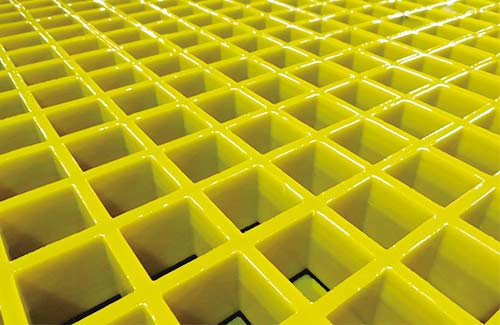
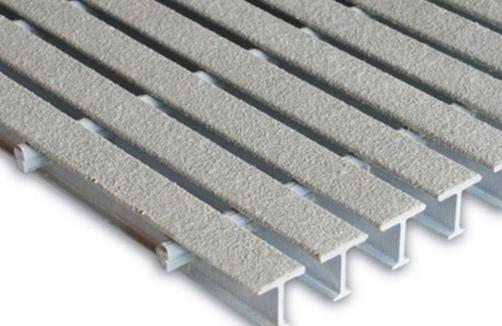
FRP grating has gained widespread acceptance in the marine industry due to its exceptional corrosion resistance, lightweight nature, and durability. This paper focuses on the load-bearing capabilities of FRP grating in vessel decks and walkways, providing a comprehensive overview of its performance characteristics and design considerations. Material Properties of FRP Grating FRP grating is composed of fiberglass fibers embedded in a resin matrix, typically polyester or vinylester. The combination of these materials results in a composite material with the following properties: – High Strength-to-Weight Ratio: FRP grating offers excellent strength while maintaining a lightweight structure.– Corrosion Resistance: It is highly resistant to corrosion from saltwater and chemicals commonly found in marine environments.– Non-Conductive: FRP grating does not conduct electricity, making it safe for use in electrical applications. Design Considerations for Load-Bearing Applications When designing FRP grating for vessel decks and walkways, several factors need to be considered: 1. Load Requirements: The anticipated loads must be determined based on the intended use, such as pedestrian traffic, equipment weight, or vehicle loads.2. Support Structure: The underlying support structure must be designed to accommodate the loads and ensure the stability of the grating system.3. Deflection Criteria: Deflection limits are established to ensure that