
Sino Composite Structures Co.,Ltd.

+86-510-86890852

WhatsApp: 8618921275456

Sino Composite Structures Co.,Ltd.

+86-510-86890852

WhatsApp: 8618921275456

Noticias

Inicio " Noticias " Página 87

Rejilla FRP: Una opción superior para suelos industriales

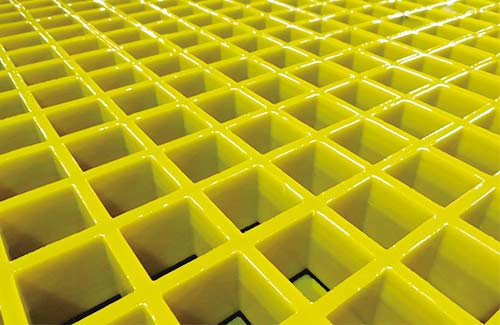
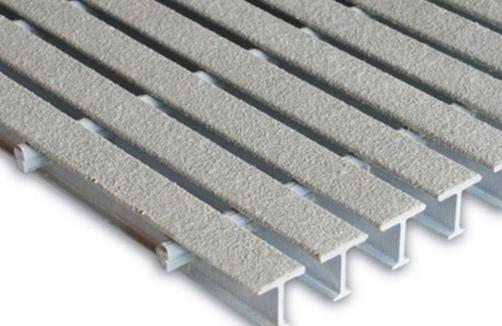
In the realm of industrial flooring, the choice of material can significantly impact the safety, efficiency, and longevity of a facility. Fiberglass Reinforced Plastic (FRP) grating has emerged as a superior choice for various industrial applications due to its unique combination of strength, durability, and resistance to corrosive environments. This comprehensive guide delves into the properties of FRP grating, its applications, benefits, and why it’s becoming the material of choice for many industries.   Introduction to FRP Grating FRP grating is a composite material made from glass fibers reinforced with a resin matrix. The glass fibers provide strength and rigidity, while the resin matrix ensures chemical resistance and weatherability. This combination results in a lightweight, high-strength, and corrosion-resistant material that is ideal for industrial flooring.   Properties of FRP Grating High Strength-to-Weight Ratio: FRP grating is known for its high strength-to-weight ratio, making it an excellent choice for applications where weight is a concern, such as in walkways, platforms, and trench covers. Corrosion Resistance:One of the most significant advantages of FRP grating is its resistance to a wide range of chemicals, including acids, alkalis, and salts. This property makes it suitable for use in chemical plants, wastewater treatment facilities, and
Leer Más "

Tipos de perfiles FRP disponibles

Fiber Reinforced Plastic (FRP) profiles have revolutionized the industrial and construction sectors, offering lightweight, durable, and corrosion-resistant solutions. These profiles are increasingly popular across various industries, thanks to their versatility and exceptional performance in challenging environments. If you’re considering incorporating FRP profiles into your project, this guide provides a comprehensive look at the available types, their applications, and their benefits. By the end, you’ll have a deeper understanding of how FRP profiles can enhance your projects. What Are the Main Types of FRP Profiles? FRP profiles come in a wide range of shapes and configurations, each tailored to specific needs and applications. The main types include structural shapes, grating systems, and specialized profiles designed for unique use cases. Structural Profiles These profiles form the backbone of many construction projects, offering strength and durability without the weight of traditional materials like steel or aluminum. I-Beams and H-Beams: I-beams and H-beams are integral to lightweight yet robust frameworks in construction. These profiles offer excellent strength for bridges, platforms, and walkways while reducing the overall structural weight. Channels: FRP channels are widely used for supporting structures, especially in environments exposed to corrosive elements. Their resistance to chemicals and moisture makes them ideal for industries like

Leer Más "

Qué es la rejilla FRP

FRP grating, or Fiber Reinforced Plastic grating, is a modern material celebrated for its strength, durability, and versatility in industrial and commercial applications. It is lightweight yet robust, offering excellent resistance to corrosion, chemicals, and environmental stress. FRP grating has emerged as an essential component in access systems, safety platforms, and structural supports, outshining traditional materials like steel and aluminum in harsh environments. This article dives into what makes FRP grating unique, its various types, and the myriad of benefits it provides. What Are the Key Features of FRP Grating? Exceptional Strength and Lightweight Design FRP grating is celebrated for its outstanding strength-to-weight ratio, offering a durable yet lightweight solution for various industrial applications. Its lightweight nature simplifies transportation and installation, often eliminating the need for heavy machinery. Despite its reduced weight, FRP grating is engineered to handle substantial loads, making it suitable for heavy-duty platforms, walkways, and trench covers. This unique combination of strength and lightness reduces strain on supporting structures while improving overall handling efficiency, making it a practical and versatile choice for demanding environments. Superior Corrosion Resistance FRP grating excels in environments where corrosion poses a challenge. Unlike metals such as steel, which can deteriorate when exposed to

Leer Más "

¿Cómo cortar una rejilla de FRP?

FRP (Fiber Reinforced Plastic) grating is a versatile and durable material used across industries for platforms, walkways, and various access systems. Its lightweight nature, combined with high strength and corrosion resistance, makes it a preferred choice over traditional materials. While it’s known for its robustness, precise cutting is crucial for effective installation and maximizing performance. In this guide, we’ll explore the best tools, techniques, and safety measures for cutting FRP grating. What Tools Do You Need to Cut FRP Grating? Cutting FRP grating requires appropriate tools to ensure clean and precise cuts. Choosing the right equipment not only saves time but also preserves the integrity of the grating. Types of Tools Suitable for FRP Grating Circular Saws: Circular saws are a popular choice for cutting FRP grating due to their power and precision. When equipped with carbide or diamond-tipped blades, they effortlessly slice through the dense composite material, making them perfect for long, straight cuts. Their high-speed rotation ensures a clean finish, minimizing splintering and rough edges. Additionally, circular saws are versatile and can be adjusted for different cutting depths, making them suitable for various FRP grating thicknesses. Reciprocating Saws: Reciprocating saws are ideal for intricate cuts or when working

Leer Más "

Noticias

Producto estrella

滚动至顶部