
Sino Composite Structures Co.,Ltd.

+86-510-86890852

WhatsApp: 8618921275456

Sino Composite Structures Co.,Ltd.

+86-510-86890852

WhatsApp: 8618921275456

Noticias

Inicio " Noticias " Página 68

Pultruded FRP Grating: La guía definitiva para aplicaciones industriales

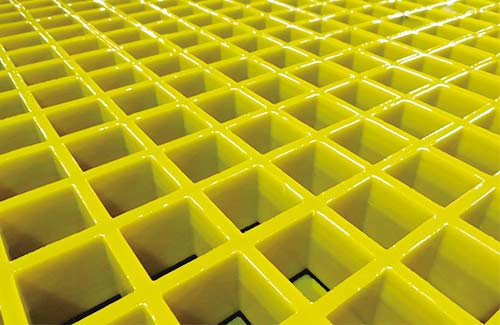
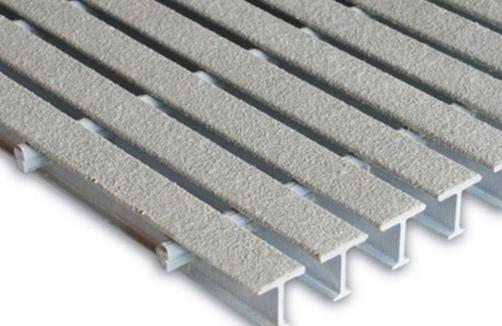
Rejilla Pultrusionada FRP: La guía definitiva para aplicaciones industriales ¿Está buscando una solución duradera, resistente a la corrosión y rentable para sus necesidades de suelos industriales? Las rejillas de FRP pultrusionado (plástico reforzado con fibra de vidrio) pueden ser la respuesta que estaba buscando. Esta completa guía explorará todo lo que necesita saber sobre la rejilla FRP pultrusionada, sus ventajas, aplicaciones y por qué destaca como la opción definitiva para entornos industriales. ¿Qué es el enrejado FRP pultrusionado? Las rejillas FRP pultrusionadas son un tipo de material compuesto fabricado a partir de un refuerzo de fibra de vidrio y una matriz de polímero, normalmente resina de poliéster o viniléster. El proceso consiste en tirar de la fibra de vidrio a través de un cabezal, donde se impregna con resina y se cura al calor, dando como resultado un material fuerte, rígido y ligero. Este método garantiza la uniformidad y consistencia del producto final. Preguntas clave a tener en cuenta ¿Cómo se compara la rejilla de FRP pultrusionado con los materiales tradicionales? ¿Cuáles son las principales ventajas de utilizar rejillas de FRP en aplicaciones industriales? ¿Cómo se instala y mantiene el emparrillado FRP pultrusionado? ¿Qué industrias se benefician más del uso de rejillas en FRP? Ventajas del emparrillado en FRP pultruido Durabilidad y resistencia a la corrosión Una de las principales ventajas del emparrillado en FRP pultruido es su excepcional durabilidad y resistencia a la corrosión.
Leer Más "

Rejilla FRP para Pasarelas y Plataformas: La solución ideal para pasarelas y plataformas seguras y duraderas

FRP Grating for Walkways and Platforms: The Ideal Solution for Safe and Durable Footbridge and Platform Applications Introduction Footbridges and platforms are essential infrastructure elements in various industries, from construction and manufacturing to public utilities and marine environments. Ensuring their safety, durability, and longevity is paramount. Traditional materials like steel and concrete have long been used, but they come with limitations such as corrosion, heavy weight, and high maintenance costs. Fiber-Reinforced Polymer (FRP) grating has emerged as a superior alternative, offering unparalleled performance in demanding applications. But what makes FRP grating the ideal solution? Let’s explore the key benefits, common questions, and why it’s the preferred choice for modern footbridge and platform construction. What Are the Advantages of FRP Grating Over Traditional Materials? FRP grating is a composite material made from fiberglass and a polymer matrix, often reinforced with materials like carbon or aramid fibers. Unlike steel, which rusts, or concrete, which cracks, FRP grating offers several distinct advantages: Corrosion Resistance: FRP grating does not corrode, making it perfect for environments exposed to chemicals, saltwater, or harsh weather conditions. Lightweight yet Strong: It is significantly lighter than steel but maintains high strength, reducing the load on supporting structures. Low Maintenance:

Leer Más "

Exploración de las ventajas de la rejilla FRP resistente a la corrosión para aplicaciones industriales

Exploring the Benefits of Corrosion-resistant FRP Grating for Industrial Applications Corrosion is a significant concern in industrial environments, where materials are constantly exposed to harsh chemicals, moisture, and extreme temperatures. Traditional materials like steel and concrete often suffer from corrosion, leading to maintenance costs, safety hazards, and operational downtime. Fiber Reinforced Polymer (FRP) grating has emerged as a superior alternative, offering exceptional corrosion resistance and a host of other benefits. But what exactly makes FRP grating the ideal choice for industrial applications? Let’s delve into the advantages and address common questions. What is FRP Grating and How Does It Work? FRP grating is a composite material made from fiberglass reinforced with polymer resin. This combination creates a strong, lightweight, and highly durable material that resists corrosion, electrical insulation, and extreme weather conditions. Unlike traditional materials, FRP grating does not rust or degrade over time, making it a cost-effective solution for industrial environments. Why Choose FRP Grating Over Traditional Materials? Traditional materials like steel and concrete are prone to corrosion, requiring frequent maintenance and replacement. FRP grating, on the other hand, offers long-term durability with minimal maintenance. This not only reduces operational costs but also enhances safety by eliminating the risk

Leer Más "

Aumente la seguridad con la rejilla antideslizante FRP: La solución definitiva para suelos seguros

Enhance Safety with Anti-slip FRP Grating: The Ultimate Solution for Secure Flooring Introduction Have you ever wondered what makes a floor truly safe and secure, especially in high-risk environments? The answer often lies in the materials used and the design of the flooring. One such innovation that has revolutionized the industry is anti-slip FRP grating. This material offers a robust, durable, and slip-resistant solution for a wide range of applications. But what exactly is FRP grating, and how does it enhance safety? Let’s dive deeper into this topic. What is FRP Grating? FRP stands for Fiber Reinforced Polymer, a composite material that combines the strength of fiberglass with the durability of polymer. FRP grating is a type of flooring made from this composite, offering several advantages over traditional materials like steel or concrete. It is lightweight, corrosion-resistant, and has a high strength-to-weight ratio. But the most significant benefit is its slip resistance, making it ideal for environments where safety is paramount. Why Choose FRP Grating? Many industries face challenges with slippery floors, leading to accidents and injuries. Traditional flooring solutions often fail to provide the necessary grip, especially when wet or exposed to oil and chemicals. FRP grating, on the

Leer Más "

Noticias

Producto estrella

滚动至顶部