FRP Grating for Fish Hatchery Raceways: Enhancing Aquaculture Efficiency and Sustainability
Aquaculture has become increasingly vital in meeting global seafood demand, but traditional fish hatchery raceways often face challenges such as corrosion, maintenance costs, and inefficiency. Fiber Reinforced Polymer (FRP) grating has emerged as a promising solution, offering durability, lightweight properties, and environmental sustainability. But what exactly makes FRP grating ideal for fish hatchery raceways? How does it enhance efficiency and sustainability in aquaculture? Let’s explore these questions in detail.
What Are the Challenges of Traditional Fish Hatchery Raceways?
Traditional raceway systems are commonly made of concrete or metal, both of which have significant drawbacks. Concrete raceways are prone to cracking, require frequent repairs, and can harbor harmful algae growth. Metal raceways, on the other hand, suffer from corrosion in aquatic environments, leading to leaks, structural weaknesses, and high maintenance costs. Additionally, these conventional systems often lack proper drainage, making water management inefficient and energy-intensive.
These challenges not only increase operational expenses but also impact the health and growth of fish, ultimately reducing the productivity of hatcheries. As the demand for sustainable aquaculture solutions grows, the need for advanced materials like FRP grating becomes evident.
Comment les caillebotis en PRFV répondent-ils à ces questions ?
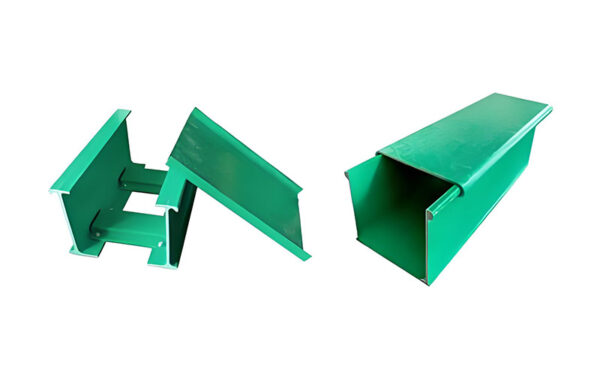
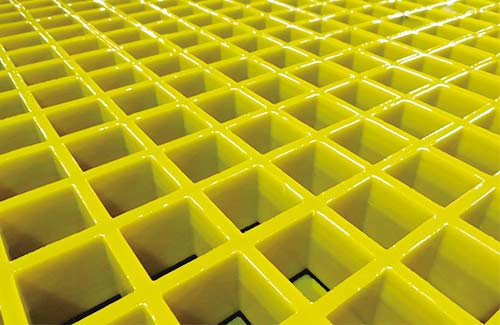
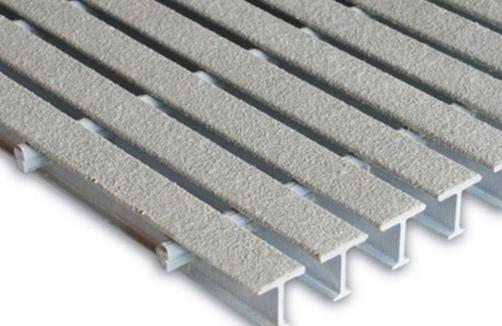
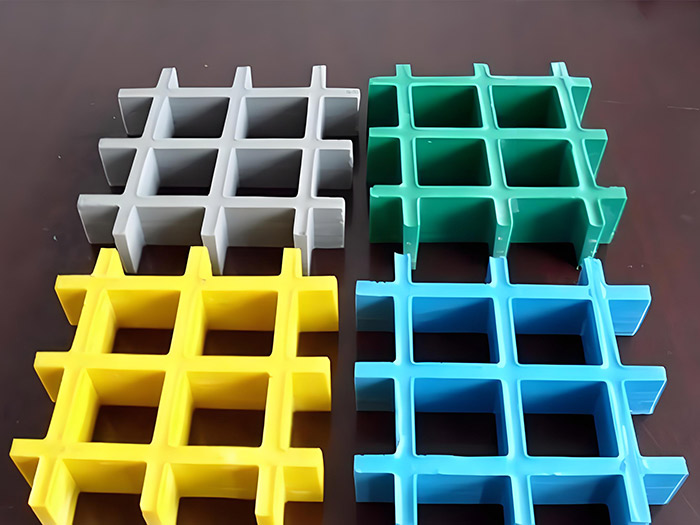
FRP grating is a composite material made of fiberglass reinforced with polymer resin, offering superior strength and corrosion resistance. Unlike traditional materials, FRP does not rust, degrade, or crack under water exposure, making it ideal for aquatic environments. Its lightweight nature also reduces structural load on raceway supports, lowering installation and maintenance costs.
One of the key advantages of FRP grating is its excellent drainage capabilities. The open-grid design allows water to flow through easily, minimizing stagnation and preventing the growth of harmful bacteria or algae. This feature enhances water quality, which is crucial for fish health and growth.
Enhancing Efficiency and Sustainability
Efficiency in aquaculture is not just about productivity; it’s also about resource conservation. FRP grating contributes to sustainability in several ways:
- Longévité: FRP grating has a much longer lifespan than concrete or metal, reducing the need for frequent replacements and minimizing waste.
- Efficacité énergétique: The smooth, non-slip surface of FRP grating reduces friction, allowing water to flow more efficiently through raceways. This lowers pumping requirements and saves energy costs.
- Impact sur l'environnement: FRP is recyclable and free from toxic coatings, making it an eco-friendly choice for aquaculture.
By reducing maintenance needs and improving water management, FRP grating helps hatcheries operate more sustainably while maximizing yield.
Applications concrètes et exemples de réussite
Many fish hatcheries have already adopted FRP grating and seen remarkable results. For example, a commercial hatchery in Norway replaced its aging concrete raceways with FRP grating, reporting a 30% reduction in maintenance costs and improved fish growth rates due to better water circulation. Similarly, a research facility in Thailand utilized FRP grating to create modular raceway systems that were easier to clean and maintain.
These success stories highlight the practical benefits of FRP grating in real-world applications. By sharing such experiences, the aquaculture industry can encourage wider adoption of this innovative material.
Conclusion
FRP grating for fish hatchery raceways represents a significant advancement in aquaculture technology. By addressing the limitations of traditional materials and offering sustainable, efficient solutions, FRP grating is poised to transform the industry. As aquaculture continues to evolve, embracing materials like FRP will be crucial in achieving both productivity and environmental goals.
If you’re in the aquaculture sector, consider exploring FRP grating as a way to enhance your hatchery’s efficiency and sustainability. The long-term benefits make it a worthwhile investment for any forward-thinking operation.
For more insights on advanced aquaculture solutions, feel free to share this article with your peers or reach out to industry experts. Together, we can drive innovation and sustainability in aquaculture!