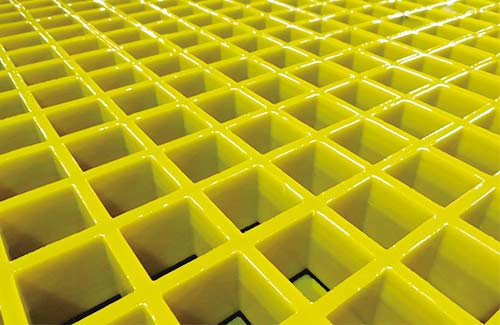
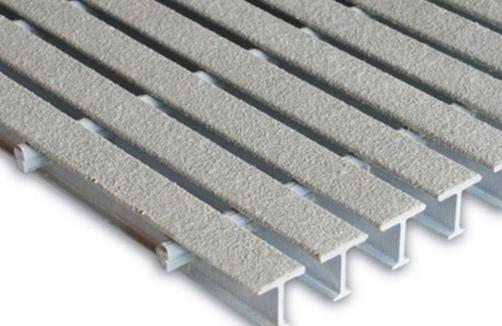
Comment le caillebotis composite révolutionne l'industrie du pétrole et du gaz
The oil and gas industry operates in some of the most extreme environments on Earth, where structures are exposed to corrosive chemicals, saltwater, high temperatures, and mechanical stress. Traditional materials like steel, while durable, have long struggled to meet the industry’s evolving demands for safety, efficiency, and sustainability. Enter composite grating—a game-changing material that is redefining how offshore platforms, refineries, and pipelines are built and maintained. By combining fiberglass reinforcement with thermosetting resins, composite grating offers unparalleled corrosion resistance, lightweight design, and structural integrity, making it a cornerstone of modern oil and gas infrastructure. 1. The Limitations of Traditional Materials For decades, steel has been the go-to material for oil and gas facilities. However, its inherent weaknesses have become increasingly problematic: Corrosion: Steel structures degrade rapidly in saltwater and chemical-laden environments, leading to frequent maintenance and replacements. For example, offshore platforms require constant repainting and galvanization to combat rust, costing millions annually . Weight: Steel’s density complicates transportation and installation, especially in remote or offshore locations. Heavy steel components also increase the load on structures, limiting design flexibility . Safety Risks: Steel’s conductivity poses electrical hazards, while its slippery surface in wet conditions contributes to workplace accidents. OSHA reports that