
Sino Composite Structures Co.,Ltd.

+86-510-86890852

WhatsApp: 8618921275456

Sino Composite Structures Co.,Ltd.

+86-510-86890852

WhatsApp: 8618921275456

Новости

Главная " Новости " Страница 67

Как композитные решетки совершают революцию в нефтегазовой промышленности

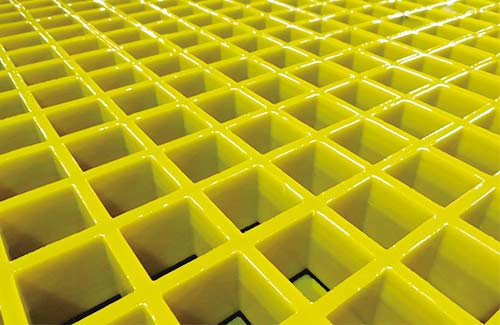
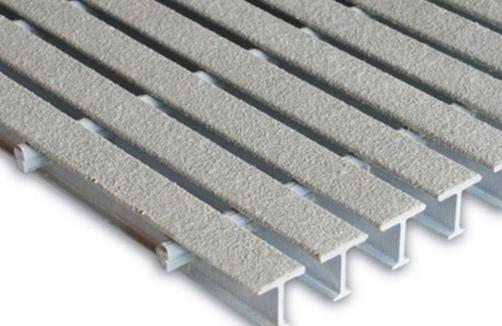
The oil and gas industry operates in some of the most extreme environments on Earth, where structures are exposed to corrosive chemicals, saltwater, high temperatures, and mechanical stress. Traditional materials like steel, while durable, have long struggled to meet the industry’s evolving demands for safety, efficiency, and sustainability. Enter composite grating—a game-changing material that is redefining how offshore platforms, refineries, and pipelines are built and maintained. By combining fiberglass reinforcement with thermosetting resins, composite grating offers unparalleled corrosion resistance, lightweight design, and structural integrity, making it a cornerstone of modern oil and gas infrastructure.  1. The Limitations of Traditional Materials For decades, steel has been the go-to material for oil and gas facilities. However, its inherent weaknesses have become increasingly problematic: Corrosion: Steel structures degrade rapidly in saltwater and chemical-laden environments, leading to frequent maintenance and replacements. For example, offshore platforms require constant repainting and galvanization to combat rust, costing millions annually . Weight: Steel’s density complicates transportation and installation, especially in remote or offshore locations. Heavy steel components also increase the load on structures, limiting design flexibility . Safety Risks: Steel’s conductivity poses electrical hazards, while its slippery surface in wet conditions contributes to workplace accidents. OSHA reports that
Читать далее "

Применение и преимущества решетки из армированного стекловолокном пластика

Fiberglass Reinforced Plastic (FRP) grating has emerged as a revolutionary material in various industries, offering a wide range of applications and numerous benefits. Composed of fiberglass strands embedded in a polymer resin matrix, FRP grating combines the strength of fiberglass with the durability and versatility of plastic, making it an ideal choice for a diverse set of applications. This article will explore the key applications of FRP grating across different sectors and delve into the significant benefits it brings to each of them.   Industrial Applications   Chemical and Petrochemical Plants In chemical and petrochemical plants, the working environment is often harsh, with constant exposure to corrosive chemicals, high temperatures, and extreme humidity. Traditional materials such as steel are prone to corrosion and degradation under these conditions, leading to frequent replacements and maintenance. FRP grating, on the other hand, exhibits excellent corrosion resistance due to its non – metallic composition. The polymer resin matrix acts as a protective barrier, shielding the fiberglass strands from the harmful effects of chemicals, acids, alkalis, and solvents. This makes FRP grating an ideal choice for walkways, platforms, stair treads, and drainage covers in these plants. It not only ensures the safety of workers by providing

Читать далее "

Роль защитных элементов в стеклопластиковых решетках для обеспечения безопасности на рабочем месте

In modern workplaces, safety is not just a priority but a fundamental requirement. Every aspect of the working environment, from the layout of the facility to the materials used in construction, contributes to ensuring the well – being of employees. Fiber Reinforced Polymer (FRP) grating has emerged as a material that significantly enhances workplace safety through its inherent and customizable safety features. This article will explore in detail the various safety features of FRP grating and their crucial role in maintaining a secure and hazard – free work environment.   Slip Resistance: Preventing Accidental Falls One of the most prominent safety features of FRP grating is its excellent slip – resistant properties. In workplaces, especially those where floors can become wet or greasy, such as manufacturing plants, food processing facilities, and chemical plants, the risk of slips, trips, and falls is high. These accidents can lead to serious injuries, including broken bones, head trauma, and long – term disabilities.FRP grating can be engineered with a variety of slip – resistant surfaces. The texture of the grating can range from a simple gritted surface to more complex patterns. For instance, a gritted surface is created by embedding small, abrasive particles into the

Читать далее "

Решетчатые дорожки из стеклопластика в садах на крышах: Сочетание функциональности и эстетики

In recent years, roof gardens have emerged as a popular urban greening solution, transforming otherwise barren rooftops into lush, vibrant oases. As cities continue to densify and green spaces become scarce, these elevated gardens not only enhance the aesthetic appeal of buildings but also provide numerous environmental and social benefits. When it comes to the construction and design of roof gardens, the choice of materials for walkways is crucial. Fiber Reinforced Polymer (FRP) grating has emerged as an excellent option, offering a unique combination of functionality and aesthetics that makes it a standout choice for creating walkways in roof gardens.   The Functional Advantages of FRP Grating Walkways   Lightweight and Load – Bearing Capacity One of the most significant functional benefits of FRP grating is its lightweight nature. Roof structures have weight limitations, and using heavy – duty materials for walkways can pose a risk to the structural integrity of the building. FRP grating, with its high strength – to – weight ratio, provides a sturdy walking surface while minimizing the additional load on the roof. Fiberglass strands embedded in a polymer resin matrix give FRP grating remarkable strength, allowing it to support the weight of pedestrians, gardening equipment, and

Читать далее "

Новости

Горячий продукт

滚动至顶部