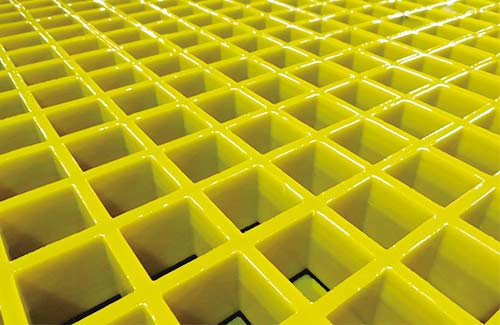
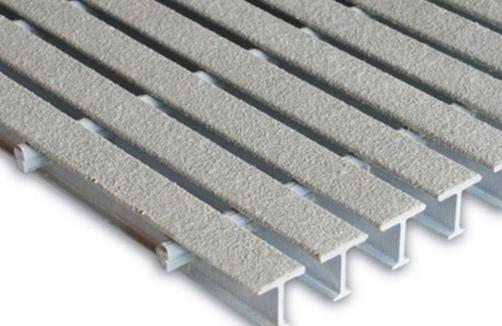
Caillebotis en PRFV pour la passerelle piétonne d'une gare ferroviaire : Améliorer la sécurité et la durabilité
FRP Grating for Railway Station Pedestrian Bridge: Enhancing Safety and Durability Railway stations are bustling hubs of activity, where safety and durability are paramount. Pedestrian bridges within these stations must withstand heavy foot traffic, harsh environmental conditions, and the constant hum of trains. Traditional materials like steel and concrete have long been used, but Fiber-Reinforced Polymer (FRP) grating is emerging as a superior alternative. This innovative material offers enhanced safety, longevity, and cost-efficiency—making it an ideal choice for modern railway infrastructure. What Are the Challenges of Traditional Pedestrian Bridge Materials? Traditional pedestrian bridges in railway stations often face several challenges: – Corrosion: Steel grating rusts when exposed to moisture, requiring frequent maintenance. – Weight: Heavy steel structures can strain the bridge’s foundation and limit design flexibility. – Installation Time: Concrete bridges are time-consuming to construct, delaying project timelines. – Safety Risks: Uneven or damaged surfaces pose trip hazards, increasing the risk of accidents. How Does FRP Grating Address These Issues? FRP grating is a composite material made of fibers (typically fiberglass) embedded in a polymer matrix. This combination creates a lightweight, corrosion-resistant, and strong structure—perfect for pedestrian bridges. 1. Enhanced Durability Unlike steel, FRP does not corrode, ensuring long-term durability