Le caillebotis en PRFV comparé au caillebotis en acier : Une analyse complète
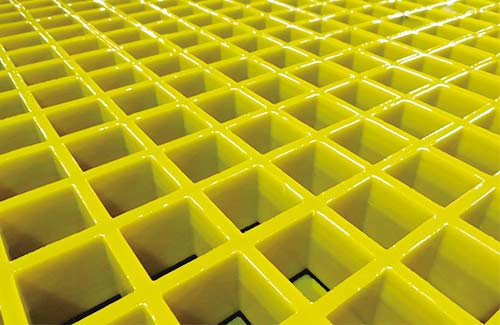
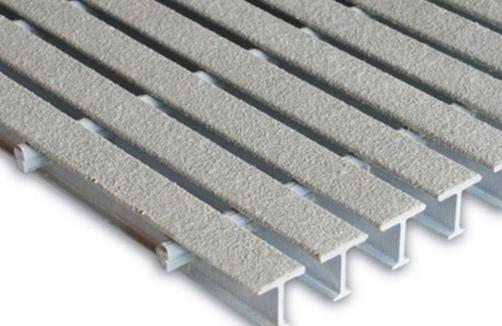
FRP Grating Compared to Steel Grating: A Comprehensive Analysis When it comes to selecting the right grating material for industrial applications, facility managers and engineers often face a critical decision: should they opt for FRP (Fiberglass Reinforced Plastic) grating or traditional steel grating? Both materials have their unique advantages and disadvantages, and the choice depends on various factors such as durability, cost, weight, and environmental conditions. In this comprehensive analysis, we will explore the key differences between FRP and steel grating, addressing common questions that help in making an informed decision. What Is FRP Grating? FRP grating is a composite material made from fiberglass reinforced with plastic. It is known for its lightweight nature, corrosion resistance, and high strength. FRP grating is commonly used in applications where traditional steel grating may not be suitable, such as in chemical plants, marine environments, and electrical installations. What Is Steel Grating? Steel grating, on the other hand, is made from steel bars woven or welded together to create a durable and robust surface. It is widely used in construction, industrial flooring, and pedestrian walkways due to its strength and affordability. However, steel grating is susceptible to corrosion and can be heavy, making it