FRP Grating for Stadium Bleacher Maintenance: A Comprehensive Guide for Stadium Managers
Stadium managers constantly face challenges in maintaining safe, durable, and cost-effective facilities. When considering upgrades to bleacher systems, many questions arise about the most suitable materials. FRP (Fiber Reinforced Polymer) grating has emerged as an excellent solution, offering numerous advantages over traditional materials like steel or concrete.
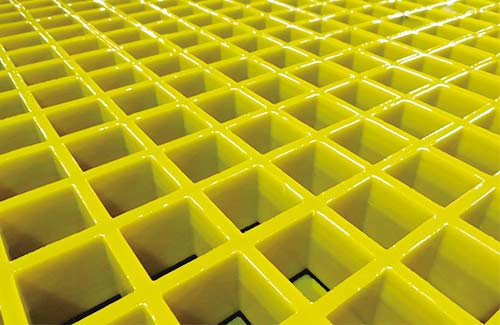
What makes FRP grating ideal for stadium environments? The answer lies in its unique properties. FRP grating provides exceptional corrosion resistance, crucial for stadiums exposed to various weather conditions. Unlike metal alternatives, it won’t rust when exposed to rain, snow, or cleaning chemicals. Additionally, its lightweight nature simplifies installation and reduces structural stress, while maintaining impressive load capacity essential for supporting crowds during events.
How does FRP grating enhance safety? Safety remains paramount in stadium management. FRP grating offers superior slip resistance, even in wet conditions, reducing accident risks. Its fire-retardant properties provide added security, meeting stringent safety codes. Furthermore, the material’s non-conductive nature eliminates electrical hazards, making it perfect for venues with extensive lighting and sound systems.
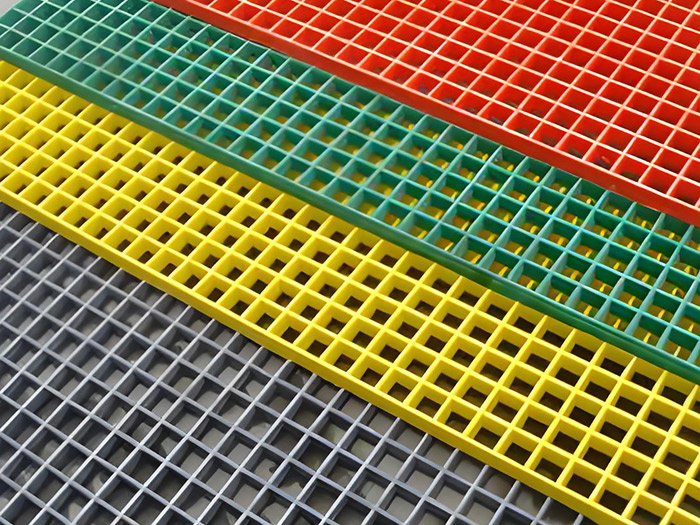
What factors should stadium managers consider when selecting FRP grating? Key considerations include load requirements, mesh size for drainage, and color options that align with stadium aesthetics. The grating’s resin type should match specific environmental conditions—some formulations offer superior UV resistance for outdoor installations, while others excel in chemical resistance for indoor facilities with harsh cleaning protocols.
What about long-term maintenance and cost-effectiveness? While the initial investment may be higher than traditional materials, FRP grating’s longevity significantly reduces lifecycle costs. Its minimal maintenance requirements translate to substantial savings over time. Unlike wood or metal, FRP grating doesn’t require regular painting, sealing, or structural repairs, allowing maintenance teams to focus on other critical areas.
Real-world success stories demonstrate FRP grating’s value. Several major stadiums have reported up to 40% reduction in maintenance costs after transitioning to FRP systems. The material’s durability ensures consistent performance for 20+ years, even under heavy usage. Stadium managers who have implemented FRP solutions often share that the improved safety and reduced liability concerns provide invaluable peace of mind.
In conclusion, FRP grating represents a strategic investment for stadium managers seeking to enhance safety, reduce maintenance burdens, and optimize long-term costs. By addressing key challenges with innovative material solutions, stadiums can better serve their audiences while ensuring operational excellence for decades to come.