FRP Grating for Wastewater Lift Station: The Ultimate Solution for Corrosion Resistance and Durability
Wastewater lift stations present unique challenges for infrastructure materials due to their constant exposure to corrosive substances, heavy loads, and demanding environmental conditions. Traditional materials like steel and concrete often fail prematurely, leading to costly repairs and operational disruptions. So, what makes FRP (Fiberglass Reinforced Plastic) grating the superior choice for these critical facilities?
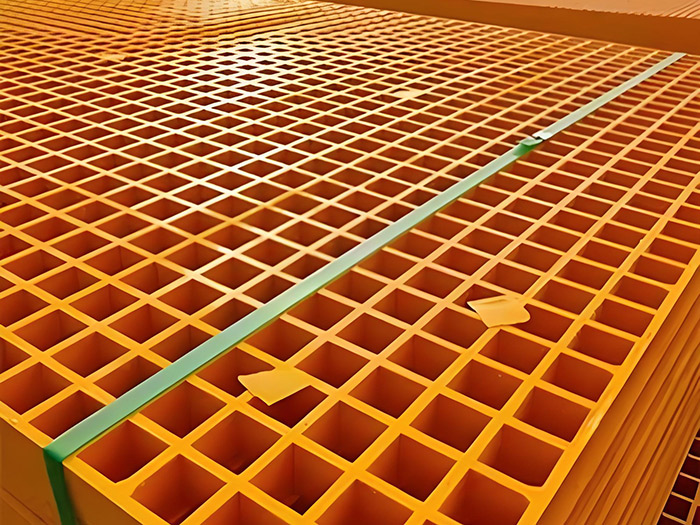
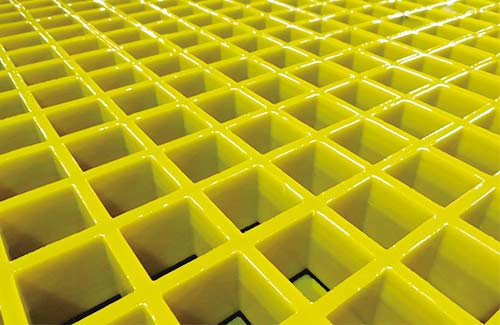
One primary concern in wastewater environments is corrosion resistance. Conventional steel gratings deteriorate rapidly when exposed to hydrogen sulfide, ammonia, and other corrosive elements commonly found in wastewater. FRP grating, however, exhibits exceptional resistance to chemical attack, maintaining its structural integrity even in the most aggressive conditions. This inherent corrosion resistance translates to significantly longer service life and reduced maintenance requirements.
Another critical issue is structural durability under constant stress. Wastewater lift stations experience heavy foot traffic, equipment loads, and environmental stressors that can compromise traditional materials. FRP grating offers impressive strength-to-weight ratio, providing superior load-bearing capacity while being significantly lighter than steel alternatives. This lightweight characteristic not only enhances safety during installation but also reduces structural support requirements, offering additional cost savings.
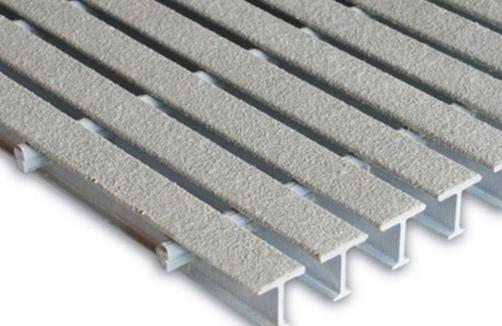
Safety remains paramount in wastewater facilities where wet conditions are common. How can we prevent slips and falls in such hazardous environments? FRP grating can be manufactured with integral anti-slip surfaces, ensuring reliable traction even when wet. This safety feature, combined with its high impact resistance, makes it an ideal choice for areas where worker safety is a priority.
The question of cost-effectiveness often arises when considering infrastructure upgrades. While the initial investment in FRP grating may be higher than traditional materials, the long-term benefits are substantial. The material’s resistance to corrosion and minimal maintenance requirements result in lower lifecycle costs. Many facility managers report achieving full return on investment within 2-3 years through reduced repair expenses and extended service life.
In a recent implementation at a municipal wastewater facility, a plant manager shared: “After replacing our corroded steel walkways with FRP grating, we’ve eliminated nearly $45,000 in annual maintenance costs while improving worker safety. The installation was straightforward due to the material’s lightweight nature, and we’ve experienced zero corrosion-related issues in three years of operation.”
Furthermore, FRP grating offers design flexibility that traditional materials cannot match. It can be custom-fabricated to meet specific dimensional requirements and color-coded for safety zones or operational areas. This adaptability ensures seamless integration into existing infrastructure while enhancing operational efficiency.
As wastewater facilities face increasingly stringent environmental regulations, the importance of sustainable materials grows. FRP grating is 100% recyclable at the end of its service life and requires no chemical treatments or coatings that could potentially leach into the environment. This eco-friendly characteristic aligns with the sustainability goals of modern wastewater treatment facilities.
In conclusion, FRP grating addresses the multifaceted challenges of wastewater lift stations through its unparalleled corrosion resistance, durability, safety features, and cost-effectiveness. By choosing this advanced material, facility operators can ensure reliable, long-lasting infrastructure that protects both workers and the environment while optimizing operational efficiency and reducing lifecycle costs.