FRP Grating for Fish Hatchery Raceways: Durable and Corrosion-Resistant Solution
Fish hatcheries face numerous challenges in maintaining optimal conditions for fish growth and survival. One critical aspect is the selection of appropriate materials for raceways, which directly impacts operational efficiency, fish health, and long-term sustainability. Traditional materials often fall short in these demanding environments, leading many hatchery operators to consider more advanced alternatives like FRP (Fiber Reinforced Plastic) grating.
Perché i materiali tradizionali non sono all'altezza
Concrete and metal raceways have been the industry standard for decades, but they present significant problems. Concrete is porous, making it difficult to clean thoroughly and prone to bacterial growth. Metal structures, while initially strong, quickly corrode in the constant moisture and chemical exposure typical of hatcheries. This corrosion not only shortens the lifespan of infrastructure but can also leach harmful substances into the water, affecting fish health and water quality.
I vantaggi del grigliato in FRP
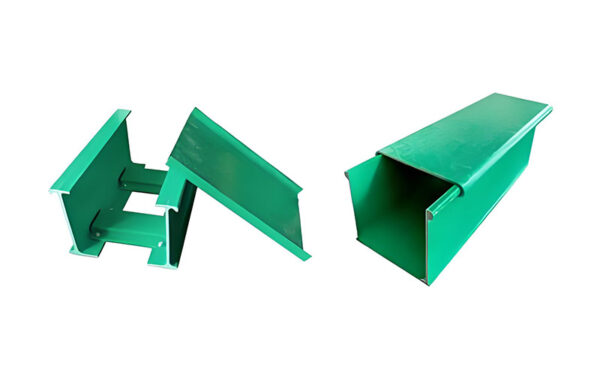
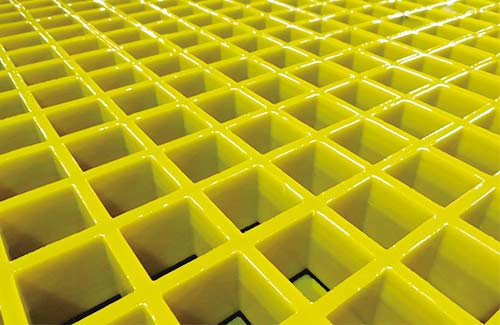
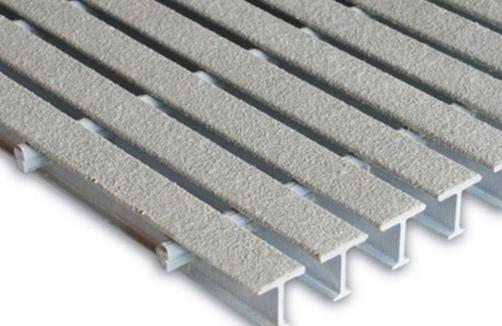
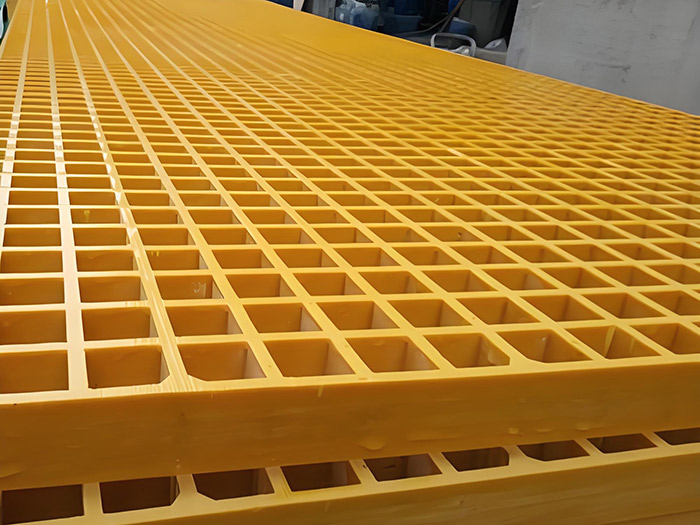
FRP grating offers a compelling solution to these challenges. Its non-porous surface prevents bacterial buildup, making sanitation significantly easier and more effective. Unlike metal, FRP is completely corrosion-resistant, even when exposed to saltwater, cleaning chemicals, and other harsh substances commonly used in hatcheries. Additionally, FRP grating provides excellent slip resistance – a critical safety feature in wet environments where staff constantly move between raceways.
Real-World Application Benefits
Operators who have transitioned to FRP grating report substantial improvements. One hatchery in Norway documented a 40% reduction in maintenance costs after switching from concrete to FRP raceways. The easier cleaning process not only saved time but also improved water quality parameters, resulting in higher survival rates among juvenile fish. Another facility in Canada noted that the thermal properties of FRP helped maintain more stable water temperatures, reducing energy consumption needed for heating and cooling systems.
Installation and Maintenance Considerations
Proper installation is crucial for maximizing FRP grating benefits. The grating should be installed with sufficient support to handle the expected load while allowing for proper drainage. Regular inspection for any signs of damage is recommended, though FRP’s durability means such issues are rare. Cleaning can typically be done with standard hatchery cleaning protocols, as FRP is resistant to most commonly used disinfectants.
Cost-Benefit Analysis
While the initial investment in FRP grating may be higher than traditional materials, the long-term savings are substantial. Extended lifespan, reduced maintenance, lower replacement costs, and improved fish health outcomes contribute to an impressive return on investment. When factoring in the intangible benefits like improved worker safety and operational efficiency, FRP grating emerges as the economically superior choice for modern fish hatcheries.
In conclusion, FRP grating represents a significant advancement in fish hatchery infrastructure, addressing the persistent challenges of durability, corrosion resistance, and maintenance. As the aquaculture industry continues to evolve, adopting innovative materials like FRP grating will be essential for meeting the growing demand for sustainable and efficient fish production.