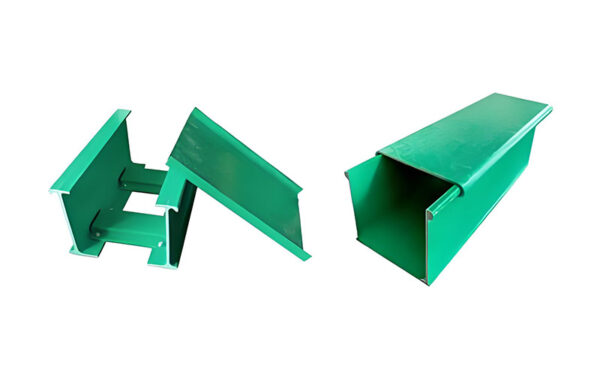
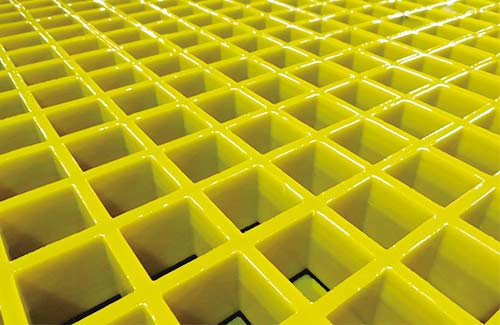
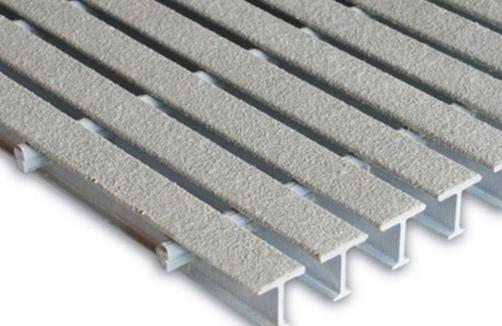
FRP Grating for Power Plant Cooling Water Intake: The Ideal Solution for Efficient Cooling Systems
Power plants are the backbone of modern energy systems, providing electricity to millions of homes and industries. However, their efficiency and longevity depend on robust cooling systems. One critical component in these systems is the cooling water intake, which must be both durable and effective. Traditional materials like steel and concrete have been widely used, but they come with several limitations. This is where Fiber-Reinforced Polymer (FRP) grating emerges as a superior alternative.
What Makes FRP Grating the Ideal Choice?
Durata e resistenza alla corrosione
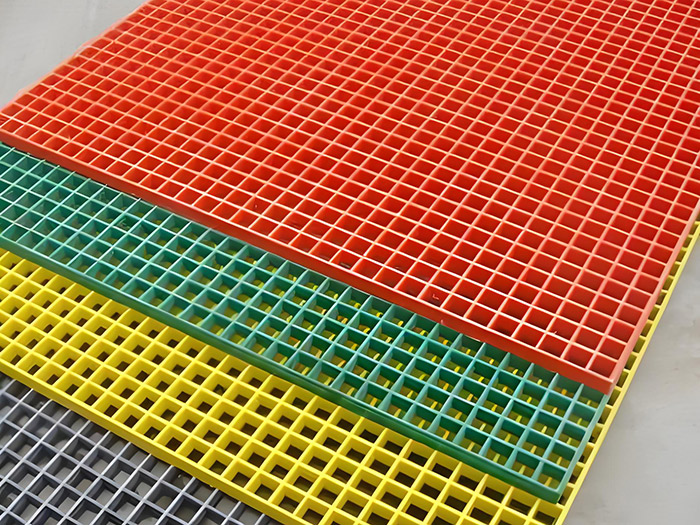
One of the primary challenges in cooling water intakes is the harsh environmental conditions. Water often contains corrosive elements that can degrade traditional materials over time. FRP grating, on the other hand, is highly resistant to corrosion, making it an ideal choice for such applications. Unlike steel, which can rust and weaken, FRP maintains its structural integrity even in saltwater or chemically treated water.
Leggero e ad alta resistenza
Another significant advantage of FRP grating is its lightweight nature. Traditional materials like steel are heavy, requiring substantial support structures. FRP grating, however, is significantly lighter, reducing the load on the supporting framework. This not only lowers construction costs but also minimizes maintenance requirements. Additionally, FRP grating offers high strength-to-weight ratios, ensuring that it can withstand heavy loads without buckling or deforming.
Riduzione dei costi di manutenzione
Maintenance is a crucial factor in the long-term operation of cooling systems. Traditional materials often require frequent inspections and repairs due to corrosion and wear. FRP grating, with its inherent durability, reduces the need for maintenance, saving both time and money. This makes it a cost-effective solution for power plants looking to minimize operational expenses.
Vantaggi ambientali
The environmental impact of cooling systems is also a growing concern. FRP grating is an eco-friendly alternative to traditional materials. It does not contain heavy metals or other harmful chemicals that can leach into the water. Moreover, its long lifespan reduces the need for frequent replacements, thereby minimizing waste and resource consumption.
Rispondere alle domande più comuni
Is FRP Grating Suitable for All Power Plant Cooling Systems?
Yes, FRP grating can be customized to meet the specific requirements of different cooling systems. Whether it’s for a nuclear power plant, a thermal power plant, or a renewable energy facility, FRP grating can be designed to withstand the unique challenges of each environment.
How Does FRP Grating Compare to Other Materials in Terms of Cost?
While the initial investment for FRP grating might be higher than traditional materials, its long-term benefits outweigh the costs. The reduced maintenance requirements, longer lifespan, and lower environmental impact make FRP grating a cost-effective solution in the long run.
Can FRP Grating Withstand Extreme Weather Conditions?
Absolutely. FRP grating is designed to withstand a wide range of weather conditions, including high temperatures, humidity, and UV radiation. Its thermal stability ensures that it remains durable and functional even in extreme environments.
Sharing the Benefits with Industry Peers
If you are involved in the design or maintenance of power plant cooling systems, sharing the benefits of FRP grating with your peers can lead to significant improvements in efficiency and sustainability. Consider presenting case studies or success stories where FRP grating has been successfully implemented. Additionally, attending industry conferences and workshops can provide valuable opportunities to network and exchange insights with other professionals.
Conclusione
FRP grating for power plant cooling water intakes offers a multitude of benefits, including durability, corrosion resistance, lightweight design, and reduced maintenance costs. By addressing common questions and sharing success stories, the industry can embrace this innovative solution for efficient cooling systems. As power plants continue to evolve, FRP grating will undoubtedly play a pivotal role in ensuring their longevity and performance.