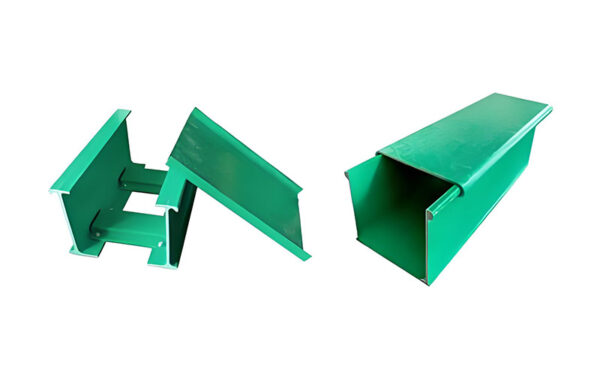
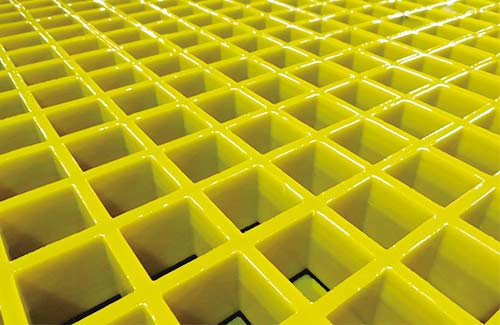
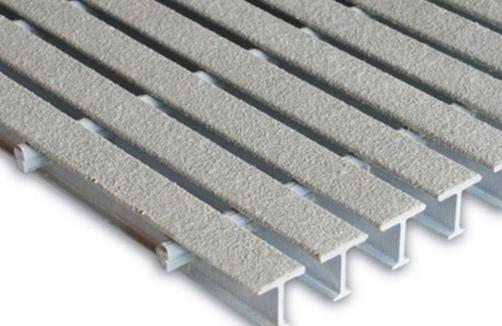
FRP I Beam for Industrial Applications: The Ultimate Solution for Robust and Durable Industrial Structures
In the realm of industrial construction, the demand for materials that offer both strength and durability is paramount. Traditional steel beams have long been the go-to choice, but emerging alternatives like Fiber Reinforced Polymer (FRP) I beams are revolutionizing the industry. Are FRP I beams the superior choice for modern industrial applications? What advantages do they offer over conventional materials? How can they enhance the longevity and performance of industrial structures? Let’s delve into these questions and explore why FRP I beams are emerging as the ultimate solution.
The Rise of FRP I Beams in Industrial Construction
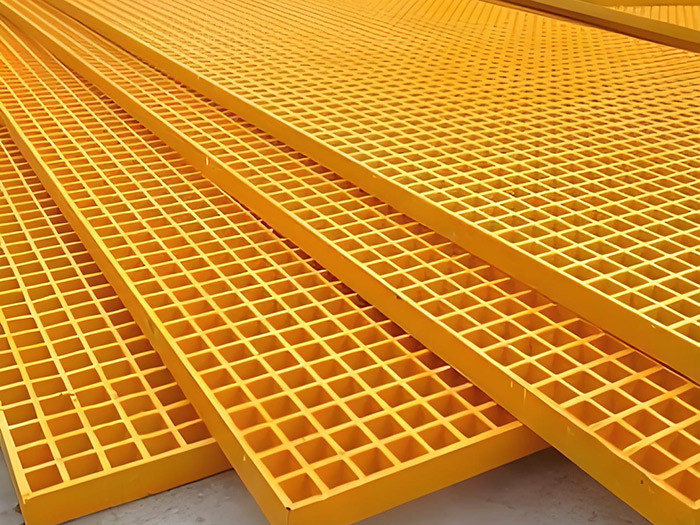
Industrial structures are subjected to immense stress, making the selection of appropriate materials crucial. Traditional steel beams, while strong, can be heavy, prone to corrosion, and costly to maintain. FRP I beams, on the other hand, present a compelling alternative. These beams are made from a combination of fiber-reinforced polymers and resins, offering a lightweight yet incredibly robust solution.
But what makes FRP I beams stand out? Their unique composition provides several key benefits that address common pain points in industrial construction. Firstly, FRP beams are significantly lighter than steel, reducing the load on foundations and simplifying transportation and installation. Secondly, they are highly resistant to corrosion, making them ideal for environments where moisture and chemicals are prevalent. Additionally, FRP beams have a longer lifespan, requiring minimal maintenance and reducing long-term costs.
Addressing Common Industrial Challenges
One of the primary concerns in industrial construction is the need for materials that can withstand extreme conditions without deteriorating. FRP I beams excel in this regard. Their inherent strength and durability make them capable of supporting heavy loads while maintaining structural integrity. This is particularly important in industries such as manufacturing, logistics, and heavy machinery, where large spans and high loads are common.
Another significant advantage of FRP I beams is their thermal and electrical insulating properties. Unlike steel, which conducts heat and electricity, FRP beams do not. This makes them safer to handle and reduces energy loss, making them an energy-efficient choice for industrial applications. Furthermore, their non-conductive nature eliminates the risk of short circuits, making them suitable for environments with electrical equipment.
Environmental and Cost Benefits
Beyond their performance advantages, FRP I beams also offer environmental and cost benefits. The production of FRP beams emits fewer greenhouse gases compared to steel manufacturing, making them a more sustainable option. Additionally, their longevity reduces the need for frequent replacements, further minimizing environmental impact.
From a cost perspective, FRP I beams can lead to significant savings over time. Although their initial cost may be higher than steel, their durability and low maintenance requirements result in lower overall lifecycle costs. This makes them a cost-effective choice for industrial projects, especially when considering the long-term benefits.
Condividere intuizioni e buone pratiche
For those new to FRP I beams, understanding best practices is essential. Proper installation is key to ensuring optimal performance. It’s crucial to follow manufacturer guidelines and use appropriate anchoring techniques. Additionally, conducting regular inspections can help identify any potential issues early on, preventing costly repairs.
Sharing knowledge and experiences within the industry can also foster innovation. For instance, case studies showcasing successful FRP I beam applications can provide valuable insights for other projects. Collaborating with experts and participating in industry forums can help stay updated on the latest trends and best practices.
Conclusione
FRP I beams are indeed the ultimate solution for robust and durable industrial structures. Their lightweight design, superior strength, corrosion resistance, and environmental benefits make them a compelling choice over traditional materials. By addressing common industrial challenges and offering long-term cost savings, FRP I beams are redefining the standards of industrial construction.
As the industry continues to evolve, the adoption of FRP I beams is likely to grow. For businesses looking to enhance the longevity and performance of their industrial structures, FRP beams present a forward-thinking solution. By embracing this innovation, industries can achieve stronger, more sustainable, and more cost-effective structures for years to come.