Maximizing Cleanroom Safety: Why FRP Grating for Pharmaceutical Cleanroom is the Industry Standard
In the highly regulated pharmaceutical industry, maintaining the highest standards of safety and contamination control is non-negotiable. But what makes FRP grating the preferred choice for pharmaceutical cleanroom environments? Let’s explore the critical factors that have established this material as the industry standard.
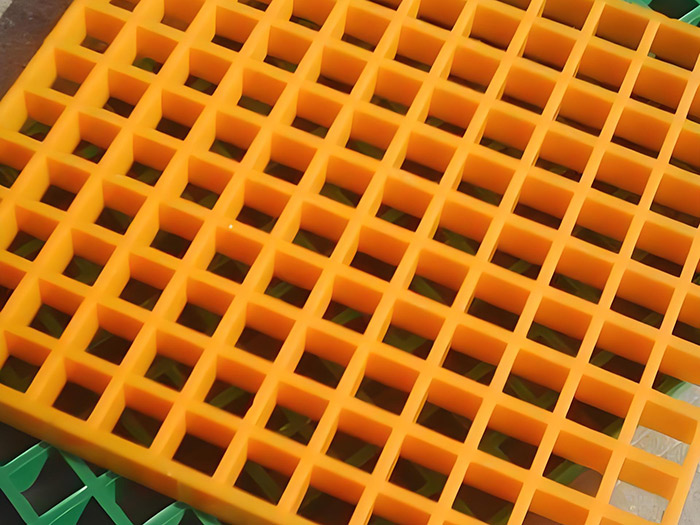
Why do pharmaceutical cleanrooms require specialized flooring solutions? Traditional materials like steel or aluminum often fail in these sensitive environments. They can corrode from cleaning chemicals, conduct electricity, and harbor bacteria in their porous surfaces. These limitations compromise both safety and product integrity, which is unacceptable in pharmaceutical manufacturing.
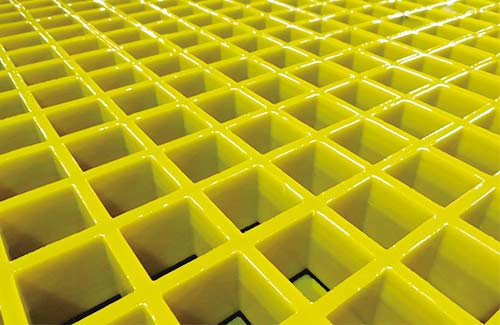
What advantages does FRP grating offer that other materials cannot? First and foremost, FRP (Fiberglass Reinforced Plastic) provides exceptional corrosion resistance. Unlike metal alternatives, FRP grating doesn’t rust when exposed to harsh disinfectants and cleaning agents commonly used in pharmaceutical facilities. Additionally, its non-conductive nature eliminates electrical hazards in environments where sensitive equipment is operated.
How does FRP grating contribute to regulatory compliance? Pharmaceutical cleanrooms must meet stringent standards such as cGMP (current Good Manufacturing Practices). FRP grating’s smooth, non-porous surface prevents microbial growth and facilitates thorough cleaning, helping facilities maintain compliance with FDA and other regulatory requirements. The material’s ability to withstand frequent sanitization without degrading ensures long-term adherence to these standards.
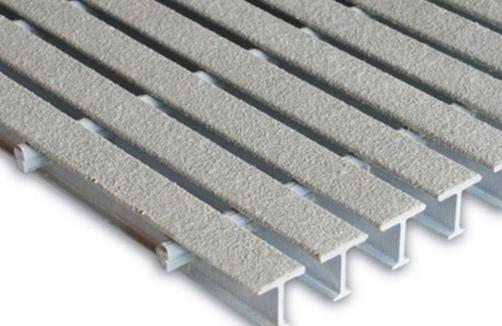
What about safety features? FRP grating offers excellent slip resistance even when wet, reducing the risk of accidents in areas where spills may occur. Its high load capacity ensures durability under heavy equipment while maintaining its structural integrity. Furthermore, FRP grating’s thermal insulation properties prevent condensation issues that could lead to contamination.
How should facilities select and maintain FRP grating? When choosing FRP grating for pharmaceutical applications, consider factors like chemical resistance, load requirements, and specific cleanroom classifications. Regular inspection and proper installation are crucial to maximize the material’s benefits. Leading pharmaceutical companies have found that investing in quality FRP grating systems reduces long-term maintenance costs and enhances operational efficiency.
The pharmaceutical industry’s shift toward FRP grating isn’t merely a trend—it’s a response to the critical need for materials that enhance safety, ensure compliance, and maintain product purity. As contamination control becomes increasingly vital, FRP grating’s position as the industry standard will only strengthen, safeguarding both workers and products in pharmaceutical environments worldwide.