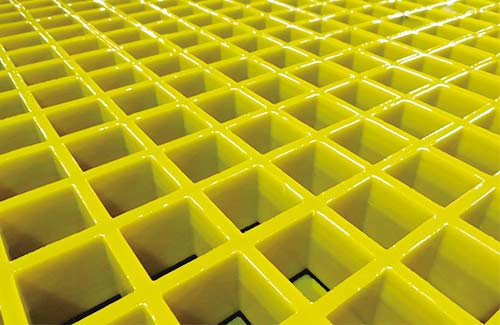
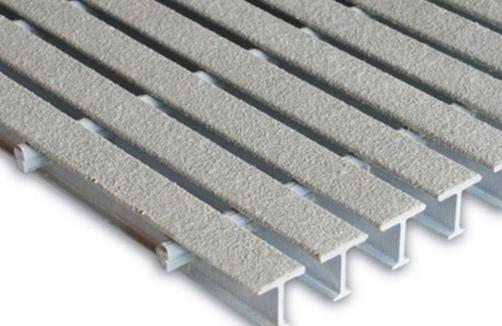
Anti-static conductive FRP grating for electronics: A Complete Guide for Safe Manufacturing Environments
Anti-static Conductive FRP Grating for Electronics: Ensuring Safe Manufacturing Environments In today’s rapidly evolving electronics industry, static electricity poses one of the most significant threats to product integrity and manufacturing efficiency. But what exactly makes anti-static conductive FRP (Fiber Reinforced Plastic) grating the ideal solution for sensitive electronics environments? The Hidden Dangers of Static in Electronics Manufacturing Static discharge can silently destroy electronic components, causing immediate failures or latent defects that emerge later. How can manufacturers protect their valuable products? The answer lies in implementing proper static control measures throughout the facility. Anti-static conductive FRP grating provides a comprehensive solution by offering both electrical conductivity and mechanical durability. Key Features and Benefits What makes anti-static conductive FRP grating stand out from traditional flooring options? Unlike standard materials, FRP grating combines excellent electrical conductivity with remarkable strength-to-weight ratio. Its corrosion resistance makes it perfect for harsh manufacturing environments where other materials would quickly deteriorate. Additionally, the modular design allows for easy installation and customization to fit any facility layout. Installation and Best Practices How should manufacturers properly implement anti-static conductive FRP grating? The key is ensuring proper grounding connections throughout the installation. The grating must be electrically continuous and connected to