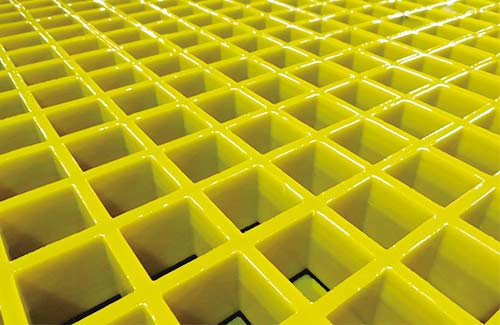
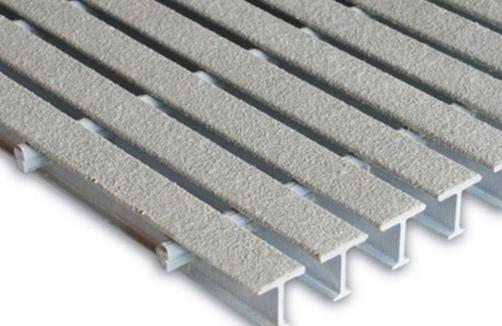
When you need durable grating for projects, smart buyers look for value and speed. China FRP Grating stands out as a practical choice for many reasons. It balances low costs with reliable performance, and fast shipping keeps projects on track. This guide breaks down why this option works for everyday industrial and construction needs. Key Perks of Choosing FRP Grating for Your Project First, FRP grating resists corrosion better than metal options. It won’t rust or fade in wet, harsh environments. Also, this material is lightweight yet strong, so it cuts installation time and labor costs. Plus, it needs little long-term maintenance, which saves more money over time.Beyond durability, FRP grating offers great versatility. It fits walkways, platforms, drainage areas, and industrial workspaces. Many buyers also value its non-slip surface, which boosts safety for workers and visitors. It holds up well against heavy foot and light vehicle traffic too. Why China FRP Grating Delivers Unbeatable Value Cost efficiency is a top reason to choose this product. Competitive pricing comes from streamlined production and bulk supply chains. You get high-quality materials without overspending, even for large project orders. This makes it easy to stick to tight project budgets.Quality control remains consistent