Optimizing Your Projects with High-Quality Fiberglass Tube Solutions
When it comes to enhancing the durability and efficiency of various projects, fiberglass tubes have emerged as a versatile and reliable solution. These tubes, known for their exceptional strength, lightweight nature, and resistance to corrosion, are increasingly being adopted across industries ranging from construction to aerospace. However, selecting the right fiberglass tube solution can be a daunting task, given the numerous options available. This article aims to address common questions and provide insights on how high-quality fiberglass tubes can optimize your projects.
What Are Fiberglass Tubes, and Why Are They Preferred?
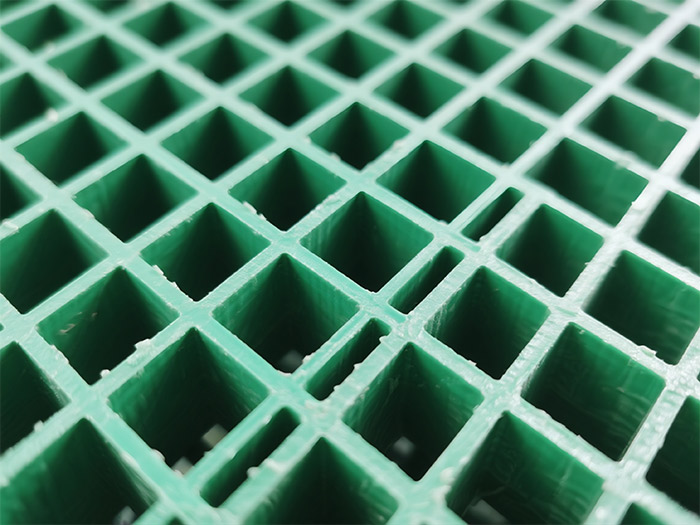
Fiberglass tubes, also known as glass fiber reinforced plastic (GFRP) tubes, are cylindrical structures made from a composite of fine glass fibers and a polymer matrix. The combination of these materials results in a product that is not only strong and durable but also lightweight and resistant to environmental factors such as moisture, chemicals, and temperature fluctuations.
One of the primary reasons for their preference is their unparalleled strength-to-weight ratio. Unlike traditional metal tubes, fiberglass tubes do not rust or corrode, making them ideal for use in harsh environments. Additionally, they can be customized to meet specific project requirements, offering flexibility in design and application.
Common Challenges in Choosing Fiberglass Tubes
Selecting the right fiberglass tube for your project can be challenging due to the variety of options available. Here are some common questions that arise during this process:
1. What Are the Key Factors to Consider When Choosing Fiberglass Tubes?
When selecting fiberglass tubes, several factors must be taken into account. These include:
- Size and Diameter: The tube’s dimensions should match the specific requirements of your project.
- Wall Thickness: A thicker wall provides greater strength but may increase weight and cost.
- Elongation and Flexibility: Some applications require tubes that can bend or flex, while others need rigid tubes.
- Resistenza chimica: Depending on the environment, tubes may need to resist certain chemicals or corrosive agents.
- UV Resistance: For outdoor applications, tubes should be able to withstand prolonged exposure to sunlight.
2. How Do Fiberglass Tubes Compare to Traditional Materials?
Fiberglass tubes offer several advantages over traditional materials like steel or aluminum. They are lighter, corrosion-resistant, and have a longer lifespan. However, they may be more expensive upfront. The decision to use fiberglass tubes should be based on a cost-benefit analysis that considers the long-term benefits and the specific needs of the project.
3. What Are the Best Applications for Fiberglass Tubes?
Fiberglass tubes are versatile and can be used in a wide range of applications, including:
- Piping and Fluid Transfer: Used in chemical processing, water treatment, and oil and gas industries.
- Supporto strutturale: Employed in construction for reinforcing frameworks and supports.
- Aerospace: Due to their lightweight nature, they are ideal for use in aircraft and spacecraft components.
- Isolamento elettrico: Used as insulators for electrical cables and transmission lines.
Tips for Optimizing Your Project with Fiberglass Tubes
To ensure that your project benefits from the use of high-quality fiberglass tubes, consider the following tips:
- Conduct a Thorough Needs Assessment: Identify the specific requirements of your project, including size, strength, and environmental conditions.
- Work with Reputable Suppliers: Choose suppliers with a proven track record of providing high-quality fiberglass tubes.
- Customize the Design: Many suppliers offer customization services to tailor tubes to your exact specifications.
- Consider Maintenance Requirements: Fiberglass tubes require minimal maintenance, but it’s essential to follow the manufacturer’s guidelines to ensure longevity.
Condividere intuizioni e buone pratiche
Sharing knowledge and best practices can help others make informed decisions about using fiberglass tubes. For instance, a case study on how fiberglass tubes were used to reinforce a bridge in a corrosive environment can provide valuable insights for similar projects. Additionally, sharing tips on proper installation and maintenance can help others maximize the benefits of these tubes.
In conclusion, high-quality fiberglass tubes offer a durable and efficient solution for a wide range of projects. By understanding the key considerations and best practices, you can optimize your project’s performance and longevity. Whether you are in construction, aerospace, or any other industry, fiberglass tubes are a valuable asset that can enhance your project’s success.