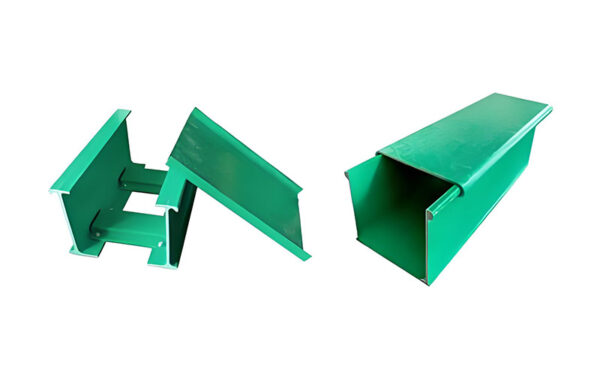
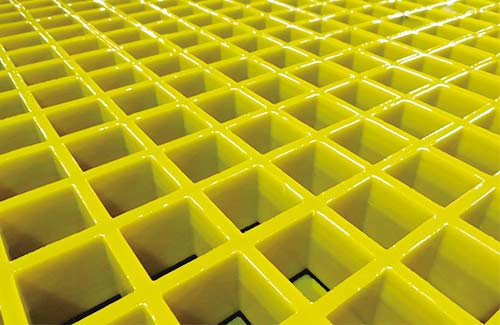
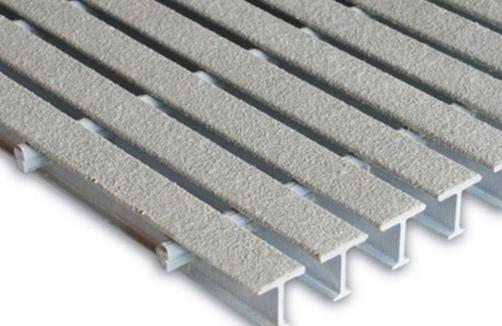
FRP Structures System for Industrial Applications: Enhancing Durability and Efficiency in Industrial Environments
소개
Fiber Reinforced Polymer (FRP) structures have gained significant attention in industrial applications due to their exceptional durability, lightweight nature, and resistance to corrosion. These composite materials offer a cost-effective alternative to traditional steel and concrete structures, particularly in environments where harsh conditions can compromise structural integrity. But what are the key challenges in implementing FRP structures in industrial settings, and how can they be overcome to enhance both durability and efficiency? This article explores these questions, providing insights into the benefits, challenges, and best practices of using FRP structures in industrial environments.
What Are FRP Structures and Why Are They Suitable for Industrial Applications?
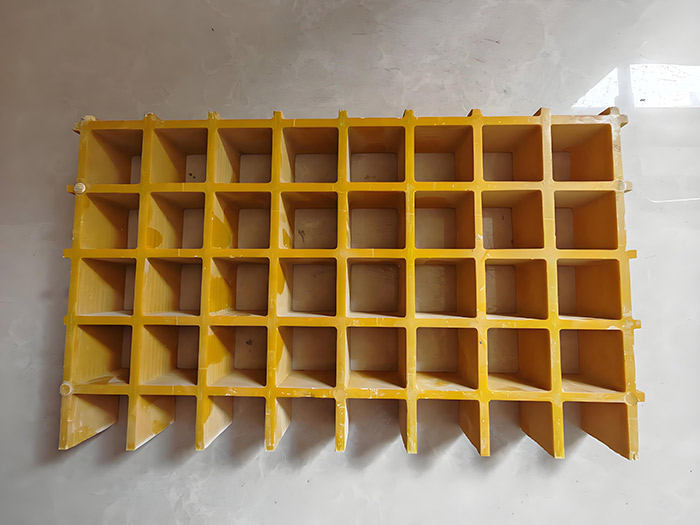
FRP structures are composite materials made from a polymer matrix reinforced with fibers such as carbon, glass, or aramid. These materials combine the strength of traditional materials like steel with the lightweight and corrosion-resistant properties of polymers. In industrial applications, FRP structures are particularly useful due to their ability to withstand extreme temperatures, chemical exposure, and mechanical stress.
One of the primary advantages of FRP structures is their durability. Unlike steel, which can rust and weaken over time, and concrete, which can crack and deteriorate under heavy loads, FRP structures maintain their structural integrity even in harsh environments. This durability translates to longer service life, reduced maintenance costs, and increased operational efficiency.
However, despite these benefits, there are challenges associated with FRP structures. One common concern is the cost of installation. FRP materials can be more expensive upfront compared to traditional materials. Additionally, the lack of standardized installation practices in some regions can lead to inconsistencies in performance.
Addressing the Challenges of FRP Structures
To maximize the benefits of FRP structures, it is essential to address these challenges. One key solution is to invest in proper training for installation crews. Ensuring that workers are trained in the latest FRP construction techniques can improve installation quality and reduce the risk of errors.
Another challenge is the limited understanding of FRP materials among industry professionals. Many engineers and designers are more familiar with traditional materials, which can lead to underestimation of FRP capabilities. To overcome this, industry stakeholders must prioritize education and awareness programs. Sharing case studies and success stories can help demonstrate the potential of FRP structures in real-world applications.
Case Studies: Successful Industrial Applications of FRP Structures
Several industries have already benefited from the use of FRP structures. For example, in the petrochemical industry, FRP tanks and pipelines have proven to be more durable and cost-effective than traditional steel alternatives. These structures can withstand exposure to corrosive chemicals, reducing the need for frequent repairs and replacements.
In the renewable energy sector, FRP wind turbine blades offer a lightweight yet strong solution for capturing wind energy efficiently. Their resistance to fatigue and environmental stress ensures longer operational life, reducing maintenance costs and improving energy production.
Enhancing Efficiency with FRP Structures
Efficiency is another critical factor in industrial applications. FRP structures can enhance efficiency in several ways. Their lightweight nature reduces the load on supporting structures, allowing for more flexible design options. This can lead to savings in material costs and easier transportation and installation.
Moreover, FRP structures can be designed to incorporate insulation properties, further improving energy efficiency. In cold storage facilities, for instance, FRP insulation can help maintain optimal temperatures with minimal energy consumption.
결론
FRP structures offer a promising solution for enhancing durability and efficiency in industrial environments. While challenges such as installation costs and limited awareness exist, these can be addressed through proper training, education, and the sharing of successful case studies. By embracing FRP technology, industries can benefit from longer-lasting, more resilient structures that reduce maintenance costs and improve operational performance. As the demand for sustainable and cost-effective solutions continues to grow, FRP structures are poised to play a significant role in the future of industrial construction.