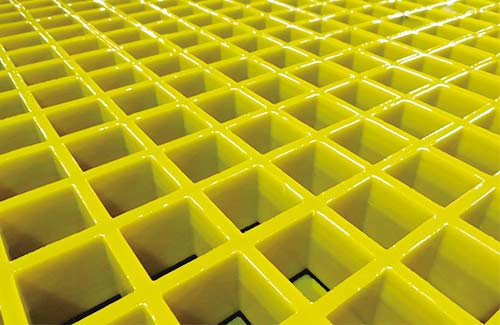
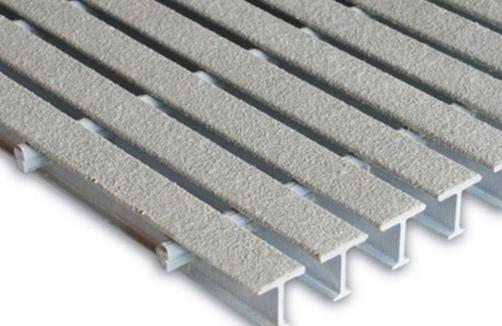
FRP grating for LNG plant cryogenic area: The Ultimate Solution for Extreme Cold Environments
FRP Grating for LNG Plant Cryogenic Area: The Ultimate Solution for Extreme Cold Environments Liquefied Natural Gas (LNG) plants operate in some of the most extreme environments on Earth, where temperatures can plummet well below freezing. These cryogenic areas demand materials that can withstand extreme cold, heavy loads, and corrosive conditions without compromising safety or efficiency. One such material that has emerged as the ultimate solution is Fiber-Reinforced Polymer (FRP) grating. But what makes FRP grating the ideal choice for LNG plant cryogenic areas? What Are the Challenges of Cryogenic Environments in LNG Plants? Cryogenic environments present unique challenges for infrastructure. Traditional materials like steel and concrete can become brittle in extreme cold, leading to cracks, leaks, and structural failures. Additionally, the low temperatures can cause thermal contraction, resulting in uneven surfaces and potential hazards. Corrosion is another significant issue, as LNG and its byproducts can be highly corrosive. Moreover, safety is paramount in LNG plants. Any material used must not only withstand the harsh conditions but also prevent slip hazards and ensure electrical insulation in wet or icy environments. These challenges make selecting the right material a critical decision for plant operators. How Does FRP Grating Address These Challenges?