Sino Composite Structures Co.,Ltd.

+86-510-86890852

WhatsApp: 8618921275456

Sino Composite Structures Co.,Ltd.

+86-510-86890852

WhatsApp: 8618921275456

News

Home » News » Page 4

FRP grating for food processing facilities: The Ideal Flooring Solution for Hygienic and Efficient Operations

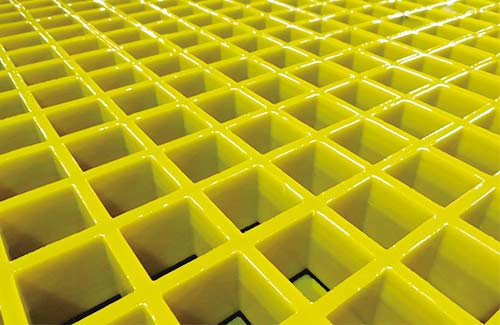
FRP Grating for Food Processing Facilities: The Ideal Flooring Solution for Hygienic and Efficient Operations In the fast-paced world of food processing, maintaining a clean, safe, and efficient environment is paramount. One critical component that often gets overlooked is the flooring. Traditional flooring solutions can quickly become breeding grounds for bacteria, slip hazards, and maintenance nightmares. This is where Fiber-Reinforced Polymer (FRP) grating steps in as the ideal flooring solution. But what exactly makes FRP grating so suitable for food processing facilities? Let’s explore the key questions and uncover the benefits. What Makes FRP Grating Suitable for Food Processing Facilities? Food processing facilities are unique environments that demand flooring solutions capable of withstanding extreme conditions. From heavy foot traffic to exposure to chemicals and moisture, the flooring must be durable, non-slip, and easy to clean. FRP grating meets these requirements and more. FRP grating is a composite material made from a combination of fiberglass and polymer resins. This composition results in a floor that is incredibly strong yet lightweight. Unlike traditional concrete or steel floors, FRP grating does not rust, crack, or corrode. This makes it an excellent choice for areas where chemical exposure is a concern. How Does FRP

Read More »

FRP grating for waste management facilities: The Ideal Flooring Solution for Modern Facilities

FRP Grating for Waste Management Facilities: The Ideal Flooring Solution for Modern Facilities Waste management facilities play a crucial role in maintaining environmental sustainability, but they also present unique challenges in terms of flooring. Traditional materials often struggle to withstand harsh conditions, leading to frequent maintenance, high replacement costs, and safety hazards. What if there was a more durable, corrosion-resistant, and cost-effective solution? Fiber Reinforced Polymer (FRP) grating has emerged as the ideal flooring option for modern waste management facilities. Why Choose FRP Grating for Waste Management? 1. Durability in Harsh Environments Waste management facilities are exposed to extreme conditions, including chemicals, heavy loads, and constant moisture. Traditional concrete or steel flooring can crack, rust, or erode over time, requiring costly repairs. FRP grating, however, is engineered to withstand these challenges. Its composite structure combines the strength of fiberglass with the durability of polymer, ensuring long-term performance even in the most demanding environments. 2. Chemical Resistance Chemicals used in waste treatment processes can be corrosive. FRP grating is highly resistant to acids, alkalis, and solvents, making it an excellent choice for areas where chemical exposure is a concern. Unlike metal gratings that can rust when exposed to corrosive substances, FRP

Read More »

FRP grating for fish hatchery raceways: Enhancing Aquaculture Efficiency and Sustainability

FRP Grating for Fish Hatchery Raceways: Enhancing Aquaculture Efficiency and Sustainability Aquaculture has become increasingly vital in meeting global seafood demand, but traditional fish hatchery raceways often face challenges such as corrosion, maintenance costs, and inefficiency. Fiber Reinforced Polymer (FRP) grating has emerged as a promising solution, offering durability, lightweight properties, and environmental sustainability. But what exactly makes FRP grating ideal for fish hatchery raceways? How does it enhance efficiency and sustainability in aquaculture? Let’s explore these questions in detail. What Are the Challenges of Traditional Fish Hatchery Raceways? Traditional raceway systems are commonly made of concrete or metal, both of which have significant drawbacks. Concrete raceways are prone to cracking, require frequent repairs, and can harbor harmful algae growth. Metal raceways, on the other hand, suffer from corrosion in aquatic environments, leading to leaks, structural weaknesses, and high maintenance costs. Additionally, these conventional systems often lack proper drainage, making water management inefficient and energy-intensive. These challenges not only increase operational expenses but also impact the health and growth of fish, ultimately reducing the productivity of hatcheries. As the demand for sustainable aquaculture solutions grows, the need for advanced materials like FRP grating becomes evident. How Does FRP Grating Address

Read More »

FRP Chemical-Resistant Products: The Ultimate Solution for Harsh Chemical Environments

FRP Chemical-Resistant Products: The Ultimate Solution for Harsh Chemical Environments Chemical-resistant products are essential in industries where exposure to harsh substances is a daily concern. From petrochemical plants to wastewater treatment facilities, the need for durable, corrosion-proof materials is undeniable. But what exactly makes Fiber-Reinforced Polymer (FRP) the ultimate solution for such environments? Let’s explore the challenges, benefits, and applications of FRP chemical-resistant products. Why Do Industries Face Chemical Resistance Challenges? Many industrial applications involve exposure to corrosive chemicals, high temperatures, and aggressive environments. Traditional materials like metal often degrade over time, leading to leaks, structural failures, and costly maintenance. For example, pipelines in chemical plants can corrode rapidly when exposed to acids or solvents, posing safety risks and operational downtime. How can businesses mitigate these risks? The answer lies in advanced materials like FRP, which combines the strength of fiber-reinforced polymers with chemical resistance. But what makes FRP so effective? What Makes FRP Chemical-Resistant? FRP products are engineered to withstand extreme chemical exposure without degrading. The key components include: Fiber Reinforcement: Typically made from carbon or glass fibers, these provide high tensile strength and durability. Polymer Matrix: A resin-based material that bonds the fibers together, offering resistance to chemicals,

Read More »

News

Hot Product

滚动至顶部