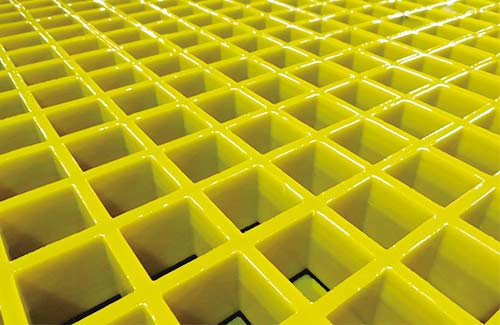
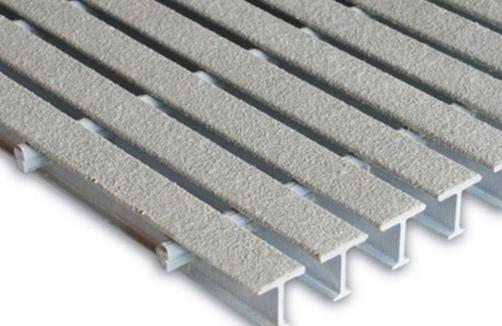
FRP Grating: Benefits, Applications, and Installation Guide
FRP grating, also known as fiber-reinforced plastic grating, has emerged as a versatile and durable material in various industrial applications. Its unique composition and inherent properties make it an ideal choice for a wide range of environments, including those that require high strength, corrosion resistance, and electrical insulation. This article explores the benefits, applications, and installation guide for FRP grating, providing a comprehensive understanding of its advantages and practical use. The primary benefit of FRP grating is its exceptional strength-to-weight ratio. Unlike traditional materials such as steel or concrete, FRP grating is significantly lighter while maintaining high tensile strength. This characteristic makes it easier to transport and install, reducing the overall project cost. Additionally, the lightweight nature of FRP grating minimizes the load on supporting structures, making it suitable for use in bridges, walkways, and mezzanines where weight is a critical factor. Corrosion resistance is another standout feature of FRP grating. Unlike metal gratings that can rust and degrade over time when exposed to harsh environments, FRP grating remains unaffected by chemicals, saltwater, and moisture. This makes it an excellent choice for applications in marine, chemical processing, and wastewater treatment facilities. The ability to withstand corrosive elements without deterioration ensures