The Application of FRP Grating in the Chemical Industry
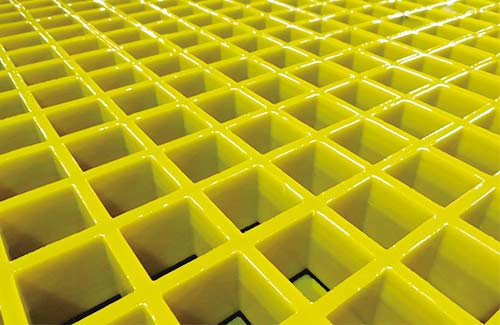
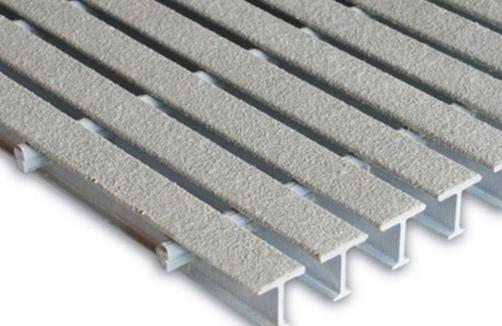
Fiber Reinforced Plastic (FRP) grating, also known as fiberglass grating, has become a popular choice in various industrial applications, particularly in the chemical industry. This material offers a unique combination of strength, durability, and resistance to harsh environments, making it an ideal solution for many challenging conditions. This article will explore the properties of FRP grating, its advantages, and its wide-ranging applications in the chemical industry. Properties of FRP Grating FRP grating is made from a composite material consisting of resin and glass fibers. The key properties that make FRP grating suitable for the chemical industry include: High Strength-to-Weight Ratio: – FRP grating is significantly lighter than traditional materials like steel or concrete, yet it maintains high structural integrity. This makes it easier to handle, install, and transport, reducing labor costs and installation time. Corrosion Resistance: – One of the most significant advantages of FRP grating is its excellent resistance to corrosion. Unlike metal gratings, which can rust and deteriorate in corrosive environments, FRP grating remains stable and durable even when exposed to aggressive chemicals and acids. Chemical Resistance: – FRP grating is highly resistant to a wide range of chemicals, including acids, alkalis, solvents, and