
Sino Composite Structures Co.,Ltd.

+86-510-86890852

WhatsApp: 8618921275456

Sino Composite Structures Co.,Ltd.

+86-510-86890852

WhatsApp: 8618921275456

Новости

Главная " Новости " Страница 66

Решетка из стеклопластика с огнестойкими свойствами: Повышение безопасности и производительности в промышленных условиях

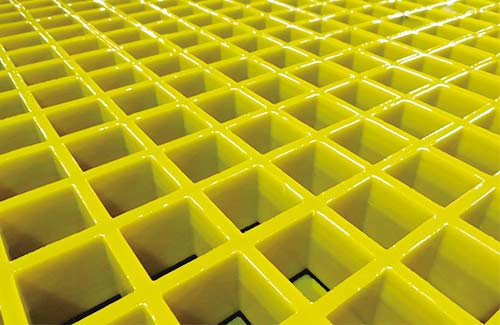
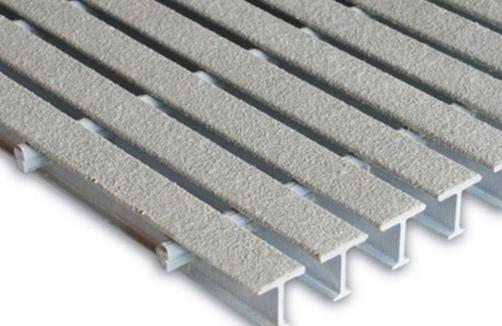
Решетка FRP с огнестойкими свойствами: Повышение безопасности и производительности в промышленности Огнестойкость является критически важным фактором в промышленности, где безопасность и долговечность имеют первостепенное значение. Решетка из армированного стекловолокном пластика (FRP) стала универсальным и надежным материалом для различных промышленных напольных покрытий. Однако добавление огнестойких свойств значительно повышает его пригодность для использования в условиях, где пожарная безопасность является главным приоритетом. В этой статье рассматриваются преимущества, области применения и часто задаваемые вопросы о стеклопластиковой решетке с огнестойкими свойствами, что дает ценную информацию для профессионалов отрасли. Что такое стеклопластиковая решетка с огнестойкими свойствами? Решетка FRP - это композитный материал, изготовленный из стекловолокна и полимерной смолы, обеспечивающий исключительную прочность, коррозионную стойкость и малый вес. После добавления огнезащитных свойств материал становится еще более подходящим для использования в условиях повышенного риска. Огнестойкие добавки снижают горючесть материала, делая его более безопасным выбором для промышленных объектов, где существует риск возгорания. Ключевые преимущества огнестойкой стеклопластиковой решетки Одним из основных преимуществ стеклопластиковой решетки с огнестойкими свойствами является ее способность выдерживать высокие температуры без значительного разрушения. Это делает ее идеальной для использования на химических заводах, нефтеперерабатывающих предприятиях и других промышленных объектах, где воздействие тепла и пламени
Читать далее "

Решетки из стеклопластика для очистных сооружений: Идеальное решение для прочных и устойчивых к коррозии платформ

FRP Grating for Wastewater Treatment Plants: The Ideal Solution for Robust and Corrosion-Resistant Platforms Wastewater treatment plants (WWTPs) are critical infrastructure components that play a vital role in maintaining environmental health and public sanitation. These facilities are exposed to harsh conditions, including chemical exposure, heavy loads, and constant moisture, making the choice of materials for platforms and walkways a critical consideration. One of the most reliable solutions for creating durable and corrosion-resistant platforms is Fiber Reinforced Polymer (FRP) grating. But what makes FRP grating the ideal choice for wastewater treatment plants? Why Choose FRP Grating for Wastewater Treatment? Wastewater treatment plants are environments where traditional materials like steel and concrete often fail due to corrosion, degradation, and excessive maintenance requirements. FRP grating, on the other hand, offers a lightweight yet strong alternative that combines the benefits of fiberglass and polymer composites. 1. Corrosion Resistance One of the primary challenges in WWTPs is exposure to corrosive chemicals, including acids, alkalis, and industrial effluents. FRP grating is highly resistant to these substances, ensuring long-term durability without rusting or corroding. This makes it a cost-effective solution compared to materials that require frequent painting or coating. 2. Lightweight Yet Strong FRP grating is significantly

Читать далее "

Комплексное руководство по безопасности при установке стеклопластиковой решетки

1. Introduction Fiberglass Reinforced Plastic (FRP) grating is widely used in various industries such as chemical, petroleum, power, and wastewater treatment due to its excellent corrosion resistance, high strength-to-weight ratio, and non-conductive properties. However, the safe installation of FRP grating is crucial to ensure the safety of workers and the long-term performance of the structure. This document provides comprehensive safety guidelines for the installation of FRP grating to minimize risks and ensure a successful installation.   2. Pre – installation Safety Preparations 2.1 Personnel Training and Certification Training Requirements: All personnel involved in the installation of FRP grating must receive proper training on the characteristics of FRP materials, installation procedures, and safety precautions. Training should include topics such as handling FRP grating to prevent damage, using appropriate tools, and recognizing potential hazards during installation. Certification: Workers should be certified in relevant safety courses such as fall protection, scaffolding safety, and working at heights if the installation involves working at elevated levels. 2.2 Safety Equipment and Personal Protective Equipment (PPE) General PPE: Installers must wear appropriate PPE at all times during the installation process. This includes safety helmets to protect against falling objects, safety glasses or goggles to prevent eye injuries

Читать далее "

Увеличение срока службы стеклопластиковой решетки с помощью правильной очистки

 Fiber Reinforced Polymer (FRP) grating has gained widespread adoption in various industries, including chemical processing, water treatment, power generation, and industrial manufacturing, due to its exceptional corrosion resistance, high strength-to-weight ratio, and low maintenance requirements. While FRP grating is inherently durable, its service life can be significantly extended through proper cleaning and maintenance practices. This article explores the key principles and methodologies for maintaining FRP grating through effective cleaning, ensuring optimal performance and longevity in harsh operational environments. 1. Understanding FRP Grating Material Properties Before delving into cleaning protocols, it is essential to understand the composition and structural characteristics of FRP grating. FRP is a composite material consisting of polymer matrices (such as polyester, vinyl ester, or epoxy) reinforced with glass or carbon fibers. The surface texture of FRP grating typically features a gritted or molded surface for slip resistance, which can trap contaminants over time. Unlike metallic gratings, FRP does not rust, but it is susceptible to surface degradation caused by chemical exposure, UV radiation, and mechanical abrasion.The polymer matrix in FRP grating is vulnerable to certain solvents and aggressive chemicals, while the fiber reinforcement provides structural strength. Surface contaminants, if left unaddressed, can create micro-environments that accelerate degradation.

Читать далее "

Новости

Горячий продукт

滚动至顶部