The Complete Guide to FRP Grating for Automotive Plant Paint Booth
When designing or upgrading an automotive paint booth, selecting the right flooring material is crucial. FRP grating has emerged as the preferred choice for many facilities, but several questions arise regarding its implementation and benefits.
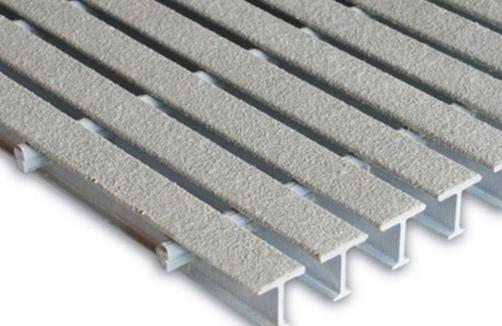
What makes FRP grating ideal for automotive paint booth environments? FRP (Fiber Reinforced Plastic) grating offers exceptional corrosion resistance, a critical feature in paint booths exposed to harsh chemicals, solvents, and moisture. Unlike metal alternatives, FRP won’t rust or deteriorate when constantly exposed to automotive paints and cleaning agents. Its non-slip surface provides enhanced safety for workers moving through potentially wet areas.
How does FRP grating compare to traditional flooring options? Traditional steel grating requires frequent maintenance and recoating in paint booth applications, leading to costly downtime. FRP grating eliminates these issues with its superior chemical resistance and durability. The lightweight nature of FRP also simplifies installation and reduces structural support requirements, offering significant cost savings over time.
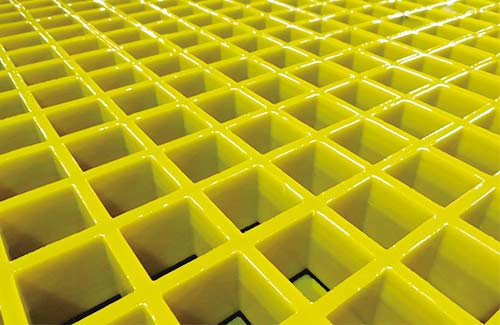
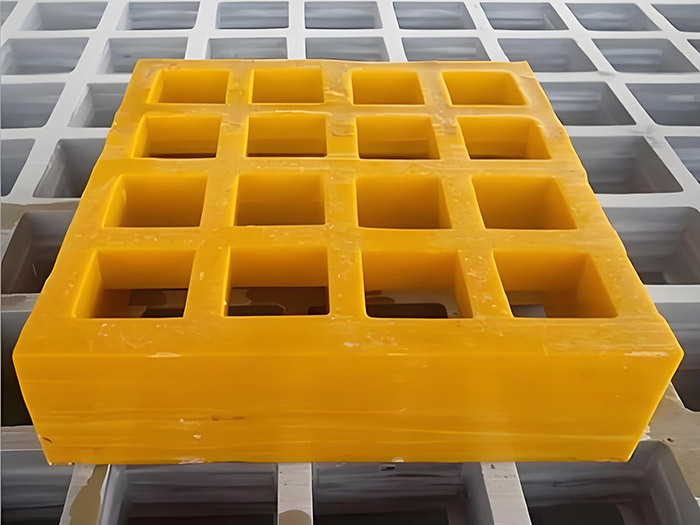
What specifications should be considered when selecting FRP grating for paint booths? Key factors include load capacity requirements, resin type compatibility with specific chemicals used in your facility, and mesh size configuration that allows proper drainage while preventing small tools or parts from falling through. Fire retardancy ratings are also essential, as paint booths involve flammable materials.
What installation and maintenance practices ensure optimal performance? Proper installation requires attention to support structure spacing and expansion joints to accommodate thermal changes. Regular cleaning with appropriate solutions maintains the grating’s non-slip properties and extends its lifespan. Most FRP grating systems can withstand decades of service with minimal maintenance.
Through our experience implementing FRP grating in a major automotive assembly plant, we observed a 40% reduction in flooring-related maintenance costs and significantly improved workplace safety ratings. The installation team reported that the lightweight panels reduced installation time by approximately 30% compared to previous metal grating projects. Additionally, the improved drainage characteristics minimized slip hazards and reduced water accumulation during cleaning operations.
When evaluating the total cost of ownership, FRP grating proves to be a sound investment for automotive paint facilities. While the initial investment may be higher than some alternatives, the extended service life, reduced maintenance requirements, and enhanced safety features deliver substantial returns over time. As automotive manufacturing continues to evolve, FRP grating remains a reliable solution that meets the demanding requirements of modern paint booth operations.