The Complete Guide to FRP Grating for Greenhouse Flooring Drainage
Understanding Greenhouse Drainage Challenges
Proper drainage in greenhouse flooring is crucial for maintaining optimal growing conditions. Without effective drainage, excess water can lead to root rot, fungal growth, and reduced crop yields. Traditional concrete or metal grates often corrode over time, creating maintenance headaches and increased replacement costs. This raises the question: what is the most effective solution for greenhouse flooring drainage?
Why Choose FRP Grating?
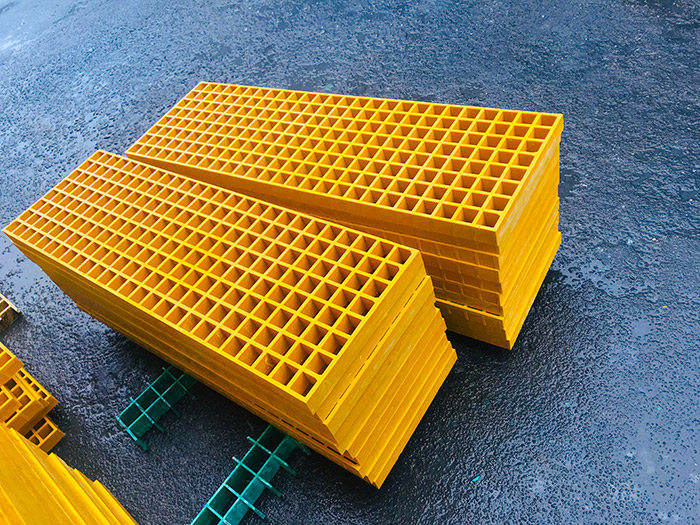
FRP (Fiberglass Reinforced Plastic) grating has emerged as the superior choice for greenhouse applications. Unlike metal alternatives, FRP grating offers exceptional corrosion resistance, preventing degradation from fertilizers, water, and cleaning chemicals. Its high strength-to-weight ratio ensures durability without adding unnecessary structural load to your greenhouse foundation. Additionally, FRP grating provides excellent UV resistance, maintaining its integrity even under prolonged sun exposure.
Key Considerations for Selection
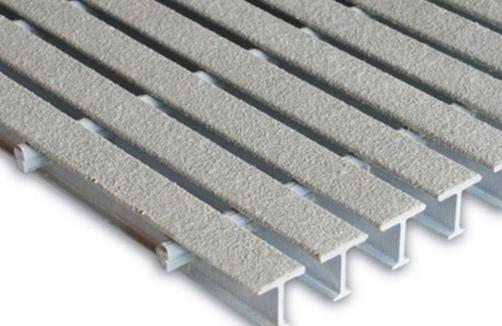
When selecting FRP grating for your greenhouse, several factors must be considered. First, evaluate the load requirements based on your greenhouse operations. Will it support foot traffic, equipment, or heavier loads? FRP grating comes in various load capacities, measured in PSI or kN/m², ensuring you choose the appropriate specification for your needs.
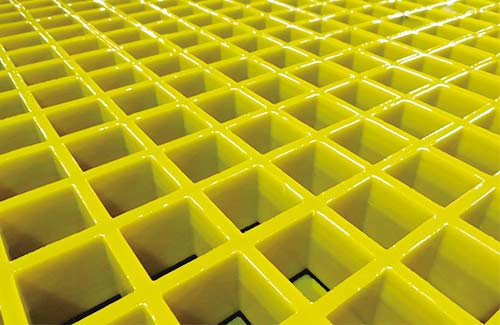
Second, consider the open area percentage. Higher open area percentages improve drainage efficiency but may reduce structural strength. A balance between drainage capability and load-bearing capacity is essential for optimal performance.
Installation Best Practices
Proper installation is critical for maximizing the benefits of FRP grating. Ensure the sub-base is level and compacted before installation. Use appropriate fasteners designed for FRP materials to avoid stress cracking. Remember to leave expansion gaps to accommodate temperature fluctuations, which is particularly important in greenhouse environments with varying temperatures.
Real-World Experience
In our experience working with commercial greenhouse operations, we’ve seen FRP grating systems reduce maintenance costs by up to 40% compared to traditional materials. One tomato-growing facility reported improved plant health and reduced disease incidence after installing FRP grating drainage systems. The key to their success was selecting the right mesh size (1.5″ × 1.5″) for their specific crops and ensuring proper slope for water flow.
Cost-Effectiveness Analysis
While the initial investment in FRP grating may be higher than traditional options, the long-term benefits justify the expense. With a lifespan of 20+ years compared to 5-10 years for metal alternatives, FRP grating offers superior ROI. Additionally, reduced maintenance needs and improved crop productivity contribute to significant cost savings over time.
Conclusion
FRP grating represents the ideal solution for greenhouse flooring drainage, offering durability, efficiency, and cost-effectiveness. By carefully considering load requirements, open area percentage, and proper installation techniques, greenhouse operators can create an optimal growing environment while minimizing maintenance headaches. As sustainable agriculture continues to evolve, FRP grating stands out as a forward-thinking investment for modern greenhouse operations.