The Complete Guide to FRP Grating for Indoor Pool Chemical Storage
Indoor pool facilities face unique challenges when it comes to chemical storage. Harsh chemicals can deteriorate traditional materials, creating safety hazards and costly replacements. So, what makes FRP grating the superior choice for these demanding environments?
Why Choose FRP Grating for Chemical Storage?
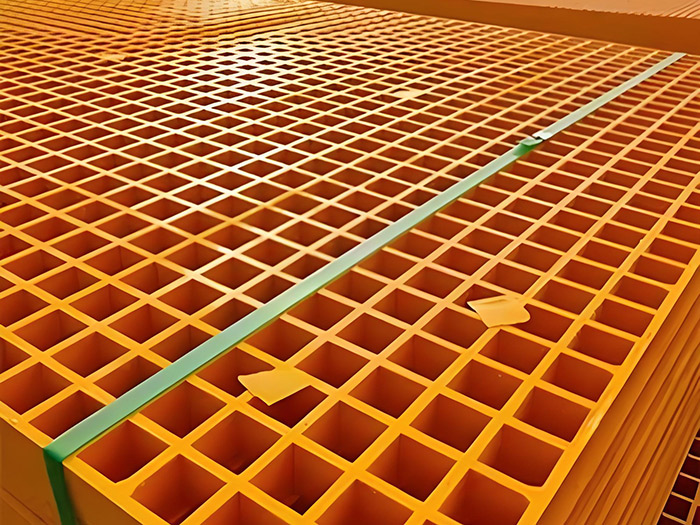
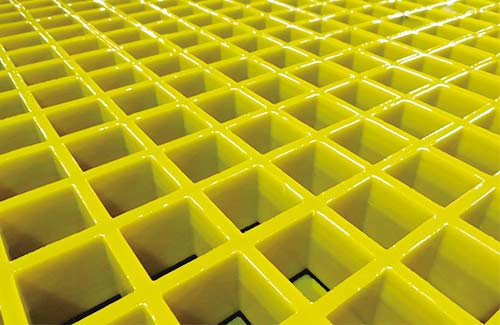
The primary advantage of FRP grating lies in its exceptional corrosion resistance. Unlike metal or wood, FRP doesn’t rust, rot, or degrade when exposed to pool chemicals like chlorine, muriatic acid, or algaecides. This resistance ensures longer service life and reduces replacement frequency, making it a cost-effective solution long-term.
Key Considerations When Selecting FRP Grating
When evaluating FRP options, consider the following factors:
- Chemical Compatibility: Ensure the resin formulation is specifically designed to withstand the chemicals in your inventory
- Load Requirements: Select grating with appropriate load capacity for your storage needs
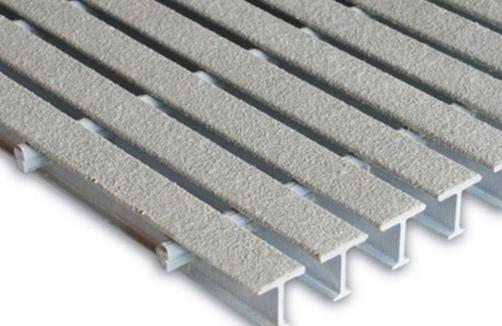
- Surface Type: Choose between smooth or anti-slip surfaces based on safety requirements
- Fire Rating: Verify compliance with local fire safety regulations
Installation Best Practices
Proper installation is crucial for maximizing FRP grating performance. Begin with a level substructure that provides adequate support. Use FRP-compatible fasteners to avoid galvanic corrosion. Allow for thermal expansion by leaving appropriate gaps between panels and at perimeter edges.
Maintenance Requirements
One of FRP grating’s greatest benefits is its minimal maintenance needs. Regular cleaning with mild detergent and water is typically sufficient. Avoid abrasive cleaners or high-pressure washing that could damage the surface. Annual inspections should check for any signs of damage or structural compromise.
Real-World Applications
A community aquatic center in California recently replaced their deteriorating metal grating with FRP after experiencing multiple failures. The new installation has provided five years of trouble-free service despite constant exposure to harsh chemicals. The facility manager noted, “The safety improvement has been dramatic, with no slips or chemical-related incidents since installation.”
Cost Analysis
While the initial investment in FRP grating may be higher than alternatives, the total cost of ownership is significantly lower. When considering extended lifespan, reduced maintenance, and elimination of downtime for repairs, FRP typically offers a 40-60% cost savings over a 10-year period compared to traditional materials.
By selecting properly specified FRP grating for your indoor pool chemical storage, you’re investing in a solution that prioritizes safety, durability, and long-term value.